Features

In the fast-paced world of ecommerce, brands are often struggling to continuously adapt and remain competitive. As global inflation pressures consumer spending and the cost-of-living crisis remains ever-present for so many, UK retailers are facing an 18-month low in non-essential spending, with many Brits prioritising savings over impulse buys.

In today’s digital workplace, we rely heavily on a wealth of collaboration solutions; in fact, these tools have become ingrained and part of our daily workflows. Despite hybrid working patterns and the return, for some, to a more traditional work environment, the continued reliance on collaboration apps remains strong.

There is no denying the world of HR compliance is a complex one. With so many hats to wear as organisations become more global, it can be challenging to keep up – and with regulations and legislation constantly changing, maintaining compliance will only continue to become more complicated as time goes on.

The final article in this series showing how technology startups can shape the future discusses the prospects for digital health technology, including sensors, apps, and AI, to improve access to services, care standards, and patient outcomes for all.

Employers hit by recent hikes in salary thresholds for sponsoring skilled workers will be poring over election manifestos for clues as to how they would affect filling skills gaps from abroad.

Rytis Ulys holds over eight years of experience in various analytical and consulting roles in both startup businesses and enterprise-grade organisations. Currently, he is leading a team of seven data professionals at Oxylabs, a web intelligence acquisition platform. Rytis managed to build one of the company’s core teams from scratch in just two years.

What is the equivalent of the golf course for women when it comes to learning about investing opportunities, and where can women meet investors and vice versa?

People worldwide are concerned about plastic waste in the environment, especially in the oceans.

Up to 90% of startups fail and never pass the series B stage, which means that one in four startups succeed within their first five years.
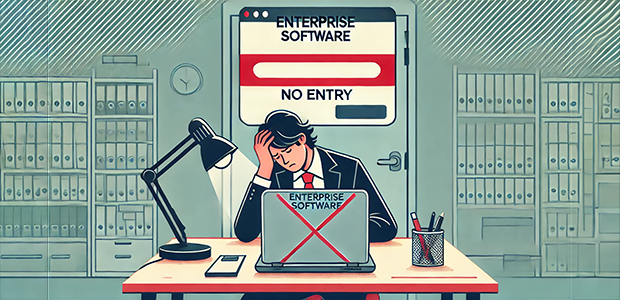
In 2023, global spending on enterprise software exceeded $900 billion, according to Statista. In many cases, enterprise tech offers a quick, affordable solution to everyday business needs, but sometimes you’ll find yourself tied into frustrating, inefficient software.

A key driver of any startup’s success is the talent they can attract as well as their ability to retain those key contributors and protect the business’ interests going forward.

When we ask our clients for feedback on our services, one of the things we commonly hear is that they appreciate our ‘commercial mindset’ when drafting and negotiating legal documents and carrying out legal discussions.

Guy Hayler is co-founder of Blue Earth Summit, a 5,000 strong annual event in London that connects climate tech and planet positive innovators, investors, campaigners and policy makers.

You’ll often hear investors declare that ‘talent can come from anywhere’, yet the venture capital distribution in the UK tells a different story.
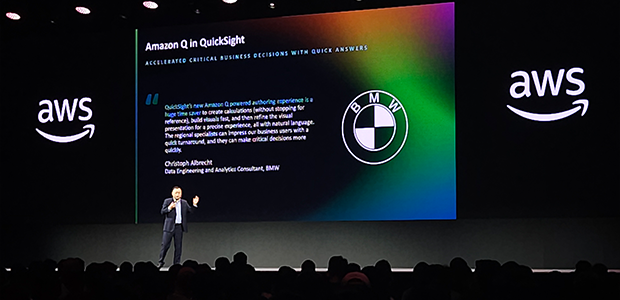
At COMPUTEX 2024, Xia Zhang, Enterprise Strategist at AWS, delivered a compelling presentation on the transformative potential of generative AI and AWS’s comprehensive data strategies. Zhang emphasised that data is the cornerstone of generative AI, outlining AWS’s integrated and secure solutions that span from silicon to software.

In the UK, small businesses spend an average of around 5% of their annual turnover on accounting. The size of the company and the complexity of its services and arrangements can contribute to their accounting spend.

In today’s challenging economic climate, startup eCommerce brands are finding it increasingly difficult to attract and retain customers. The landscape has shifted, and traditional PR and marketing strategies are no longer sufficient.

To secure funding startups endure an extensive due diligence process. Take the example of a startup courting a VC and vice-versa. The startup is put through its paces with accountants, lawyers, and even the investors themselves trawling through everything from corporate records to business plans, financial agreements to bank accounts, employee contracts, intellectual property, insurance policies and more… It’s normal for this process to take months before all shareholders are happy.

We live in a world with an ever-increasing throwaway culture and the property sector is no stranger to waste. You might be shocked to discover that old or not fit-for-purpose office furniture is putting a cumulative burden on our landfills and ultimately on our environment – this contributes hugely to the 300 tonnes of waste sent daily to UK landfills and will ultimately create between 30-40% of an office building’s entire lifetime greenhouse gas emissions.
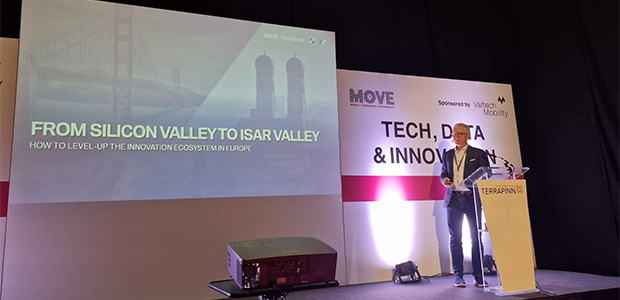
At MOVE 2024, Marcus Behrendt, Managing Director of BMW i Ventures, discussed how the innovation ecosystem could be levelled up to match the model that is currently seen in North America.