Features

Today’s interconnected world relies heavily on space technologies for communication, navigation, and other services. However, these technologies face substantial risks from space weather. Alexey Shirobokov, co-founder of Mission Space, explains how startups are addressing these challenges and safeguarding against solar activity.
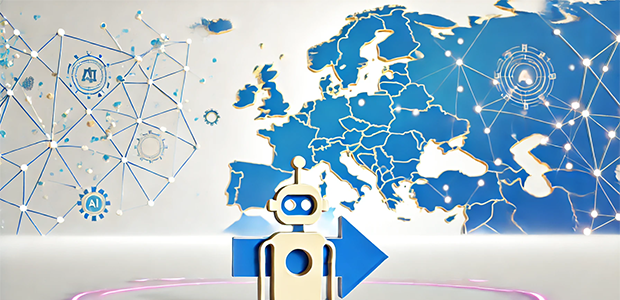
Europe stands at the crossroads of a new era: the AI revolution. While AI has the potential to fundamentally transform our societies, it also carries risks. The fear of the unknown often dominates the discussion, but this fear must not paralyse us. Instead, we should recognise and seize the opportunities.

With Labour celebrating a landslide victory in the recent General Election, many voters are hopeful that the party can now quickly get to work on delivering its manifesto promises. No community is more eager to see change than the UK’s five and a half million small businesses.

Us&Co is a workspace provider that creates unique workspaces designed to reflect the way professionals actually work.

Madeira, an autonomous region of Portugal known for its breathtaking landscapes and rich cultural heritage, is rapidly emerging as an attractive destination for entrepreneurs and innovators from around the world, drawn to its unique blend of opportunity, community, and lifestyle.

London startup jobs are on the rise, contributing to the city’s reputation as a global powerhouse in the startup ecosystem.
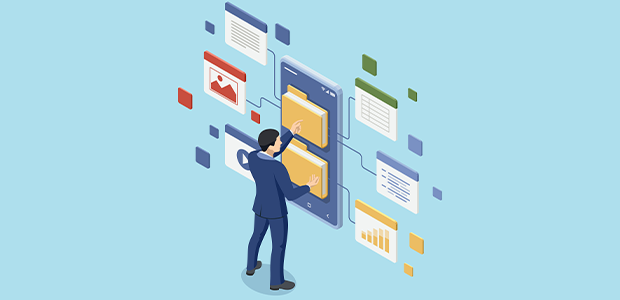
Digitalisation and modern workflows have become crucial components for long-term efficiency and growth. In this article, author David Malan explores how startups in particular can embark on a step-by-step digitalisation journey, with a particular focus on implementing efficient document management systems (DMS).
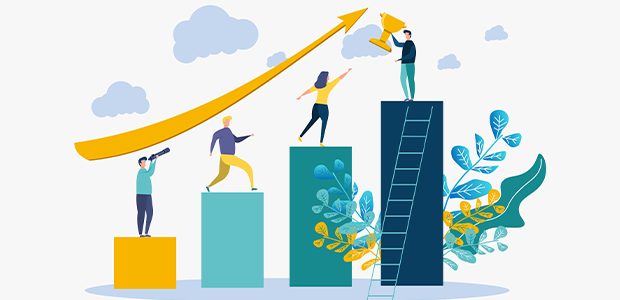
Scaling up effectively means growth in your business and moving to the next level. A business can scale up from being just a single shareholder and director to a business with investment as well as multiple shareholders and directors. This evolution can bring plenty of challenges and it is therefore important to deal with core issues at an early stage, so your business is in a good shape to expand.
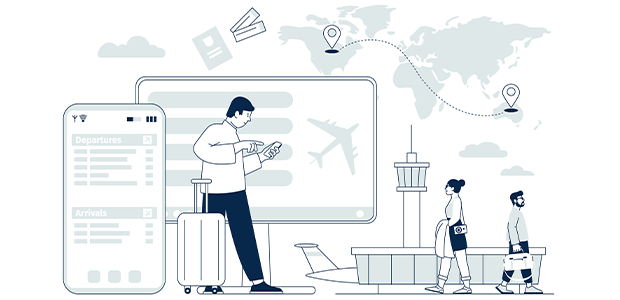
The number of people starting their own business has grown in recent years. In 2023, over 100,000 more people were self-employed compared to the previous year, bringing the total number of solo entrepreneurs to 4.2 million.

Bill Gates said, “to win big, you sometimes have to take big risks.” He was right. Startups need to embrace risk, but they must ensure their legal team aligns with their risk appetite, says Dan Adams, Founder of legal advice for startups specialist, Arbor Law.

Accurate financial record-keeping is not just a good practice; it’s a necessity for the survival and success of any business, regardless of its size and industry. Accounting statements reflect a company’s financial health, guiding critical decision-making processes and enabling informed strategic planning.

The field of AI has been around for decades, but its current surge is rewriting the rules at an accelerated rate. Fuelled by increased computational power and data availability, this AI boom brings with it opportunities and challenges.

Over the years, major cities like New York and London have been centres for innovation and development, due to their dense networks of talent, resources and infrastructure. They have largely monopolised access to capital, drawing people from smaller cities and communities to live and work in diverse industries, and cultural centres, helping to foster creativity and collaboration and creating ecosystems where ideas can rapidly develop and scale.
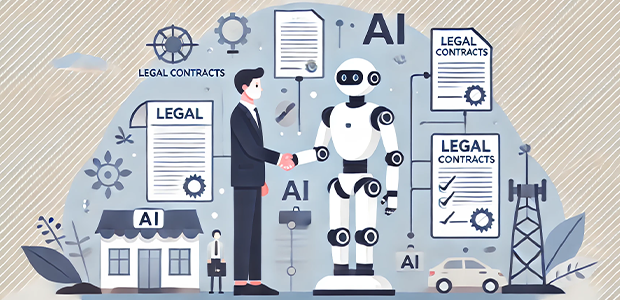
The adoption of AI has fundamentally reshaped how businesses function, and is revolutionising the way organisations operate and innovate.
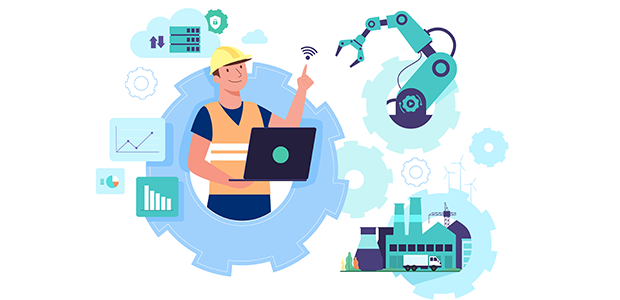
Managing a business requires you to make tough decisions to determine priorities. This is especially true if you’re a startup trying to grow with limited resources. For instance, which programmes should you sustain? Which business operations should you scale down, and what activities should you stop altogether?
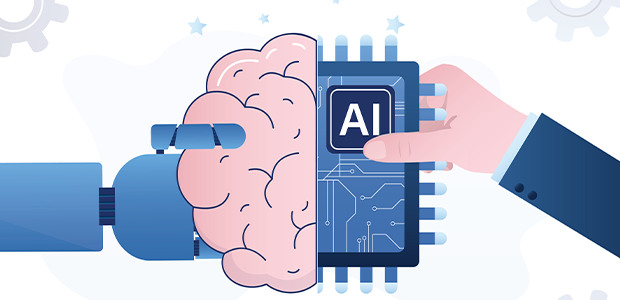
It’s almost impossible to completely shut yourself off from the potential of AI. Even if you’re not directly thinking about how you can integrate it into your startup, it’s inevitable that your investors are going to be raising questions about how it might become part of your business in the future.
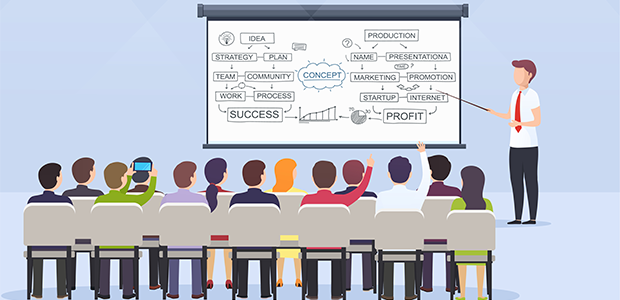
It’s not news that today’s world of work is evolving rapidly, being shaped by disruptive forces like artificial intelligence. The ability to think like an entrepreneur is critical to success in such an environment – and it can’t be altered or diminished by AI, which will replace 85 million jobs by next year.

The landscape of digital banking has seen a significant transformation, with innovative players like Starling and Monzo at the forefront. This article provides a detailed comparison of these two financial powerhouses, examining their services, fees, user experience, and security measures.

There are a variety of important decisions to be made for emerging tech companies as they look to grow their business and increase their reach.
In spite of the UK economy averaging a miserly 0.6% economic growth from 2009-19, a number of individual sectors are booming.