South Korea has set challenging decarbonisation targets across eight sectors including energy, industry, buildings and…
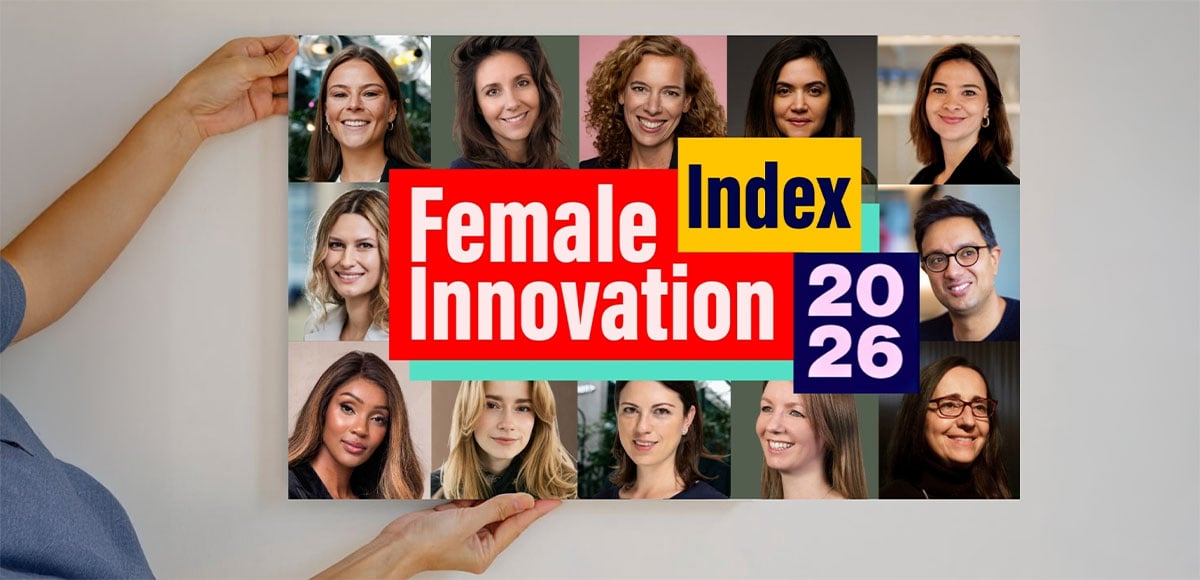
Female founders across Europe are scaling faster, raising bigger rounds, and securing higher levels of…

Brilliant Labs, Neuphonic, and TheStage AI have announced a strategic partnership to enable frontier AI…

For many sole traders, self assessment is something you deal with once a year. Usually…

There is a quiet shift happening in the UK. Small businesses are increasingly being expected…

Significant changes to IHT coming into effect from April 2026 mean that business owners, particularly…

With one year to go, preparing for the public switched telephone network (PSTN) switch-off should…

The inaugural Global Biotech Summit will take place on June 10–11, 2026, at Beach Rotana,…

Early-stage entrepreneurs across the UK with a clear social or environmental mission are invited to…

Cross-border trade is the bedrock of many SME operations, but in today’s fast-moving world, it…

UK investors are often more risk adverse than their US counterparts, sometimes leaning into risk…

Remote work did not just change where founders operate. It changed what their nervous system…
When Revolut’s share plan controversy erupted over Christmas, leaving former employees facing unexpected and significant…

I keep hearing the same question from founders: “If we add AI into sales and…
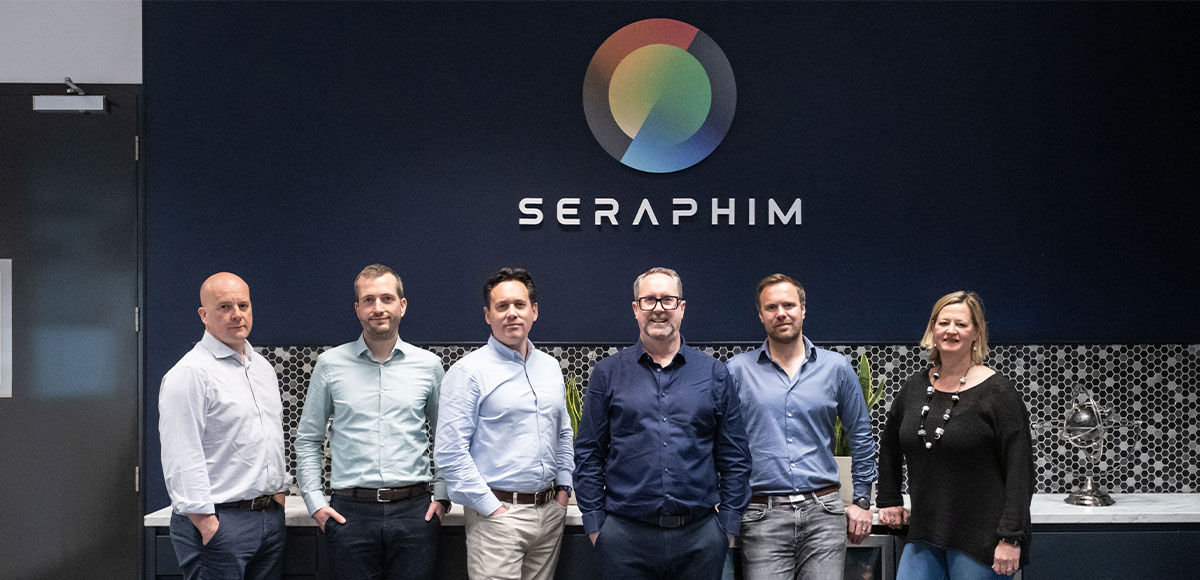
Seraphim announces the latest closing of its oversubscribed early-stage venture fund, exceeding its previous $100…
Employees now spend an average of 4.3 hours per week checking the work their AI…

Starting a business can be an exciting and daunting experience. There are many things to…

For researchers, academic librarians and grant administrators, if funding has attribution, it is not a…

Differentiation is mission critical for startups. Many fail not because of poor products, strategy, or…

The British Business Bank has committed an additional £25 million to invest in the UK’s…