
In recent years, the foodtech sector has rapidly evolved, leveraging technology to revolutionise the way we produce, distribute, and consume food. From plant-based alternatives to innovative farming techniques, foodtech startups are at the forefront of addressing global food challenges, enhancing sustainability, and improving nutrition.

Bill Gates said, “to win big, you sometimes have to take big risks.” He was right. Startups need to embrace risk, but they must ensure their legal team aligns with their risk appetite, says Dan Adams, Founder of legal advice for startups specialist, Arbor Law.

Sustainable Ventures, a European climate tech hub, has invested significantly more in female founders than the global industry average, committing nearly a quarter (23%) of its funds to all-female founding teams compared to the industry’s 1.8% in 2023.

The Digital Marketing World Forum (DMWF) has unveiled that their 2024 Global edition sustained a fantastic 150% growth rate in attendance across the board.

Fuelled by technological advancements, the smart manufacturing sector, or Industry 4.0, is experiencing a remarkable annual growth rate of 16.3%, with projections reaching $279.75 billion by 2028.

The field of AI has been around for decades, but its current surge is rewriting the rules at an accelerated rate. Fuelled by increased computational power and data availability, this AI boom brings with it opportunities and challenges.
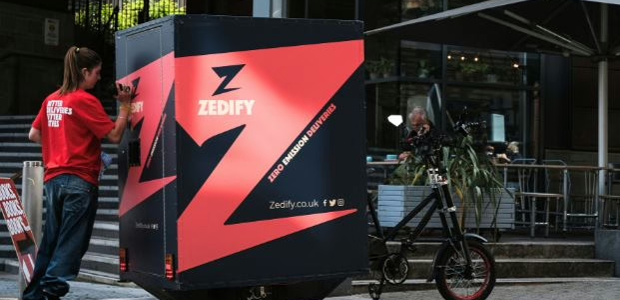
Zedify, the cargo bike delivery network, has secured an additional £4 million investment from Barclays Sustainable Impact Capital, Mercia Ventures (from its own funds and the Midlands Engine Investment Fund), and Green Angel Ventures.

Cemex Ventures, the corporate venture capital and open innovation unit of Cemex, the Mexican multinational building materials company, is doubling down on its commitment to digitalise construction and improve industry efficiency through a follow-on investment in the Chile and UK based startup ObraLink.

Lineage, a global temperature-controlled warehouse REIT, has launched the Food Chain Innovation Challenge, a pioneering global competition aimed at combating food waste, especially postharvest losses. This initiative invites students and startups to present innovative solutions addressing one of the world’s critical issues: food waste reduction.

Pleo is celebrating another year of triple digit SaaS growth, leading to group revenue increase of over 50% for FY23.

SEaB Energy, the innovator behind an anaerobic digestion system that generates energy from organic waste, has secured a partnership opportunity with Shimizu Corporation, one of Japan’s civil engineering, construction, and architecture firms. SEaB Energy representatives have been invited to Shimizu’s NOVARE innovation facility in Singapore to discuss collaboration possibilities.

Led by AND Digital and TechWM with support from SF Technology, Browne Jacobson, Technology Supply Chain, and Oxford Innovation Advice, this week saw the kick-off event for the innovative AI Adoption Acceleration Programme.

Gendo, an AI platform transforming the architectural design process, has secured an oversubscribed $1.1 million (£855,000) pre-seed round led by Concept Ventures, with participation from Ascension Ventures, Carles Reina’s Baobab Ventures, and notable angels from the AI and architecture sectors, including the former Global Head of Design Studios at WeWork.

Accurate financial record-keeping is not just a good practice; it’s a necessity for the survival and success of any business, regardless of its size and industry. Accounting statements reflect a company’s financial health, guiding critical decision-making processes and enabling informed strategic planning.
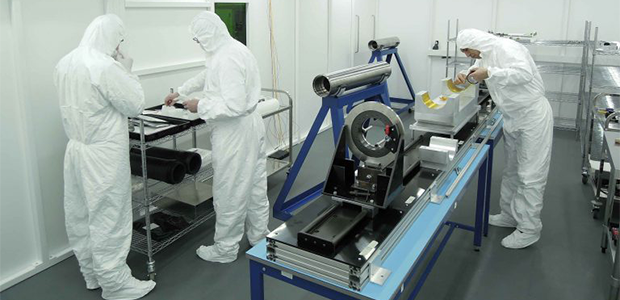
Surface Technology International Limited (STI), a contract electronics manufacturer located in Hampshire and Cheshire, secured an £11.3 million asset-based lending facility from Cynergy Business Finance (CBF).

Securing VC funding is crucial for any startup to transform innovative ideas into reality, fuel growth, and create value. Despite tighter market conditions, early-stage capital remains available for promising teams and visionary entrepreneurs addressing significant industry problems. Late-stage capital is also widely accessible once companies reach scale and prove their business models.

Public Relations is a vital aspect of any organisation’s communication strategy, essential for shaping and maintaining a positive image in the eyes of the public.

Over the years, major cities like New York and London have been centres for innovation and development, due to their dense networks of talent, resources and infrastructure. They have largely monopolised access to capital, drawing people from smaller cities and communities to live and work in diverse industries, and cultural centres, helping to foster creativity and collaboration and creating ecosystems where ideas can rapidly develop and scale.

Cluby, a Finnish startup changing the way restaurants connect with its customers digitally, has successfully raised €2.9 million in a seed round.

It’s almost impossible to completely shut yourself off from the potential of AI. Even if you’re not directly thinking about how you can integrate it into your startup, it’s inevitable that your investors are going to be raising questions about how it might become part of your business in the future.