In the process of launching a new business? Here’s a staggering statistic for you – in 2024, 90% of business startups failed. The speed of failure varies – only 10% fail to claw their way through the first year, but after that, the rate of attrition is epic.

The European startup ecosystem is rich and diverse but faces a paradox similar to other high-value markets like the United States and Canada. Whenever Europe has a well-established economy with successful educational institutions that generate a lucrative talent pool, early-stage entrepreneurial activity (TEA) tends to lag.

Startups Magazine is proud to have partnered with the Elite Business 100 (EB100) Awards, which once again recognised and celebrated the UK’s most innovative and ambitious SMEs.

Space Forge has been awarded a licence from the UK Civil Aviation Authority (CAA) to launch ForgeStar-1 – its in-orbit manufacturing satellite. With the launch set for later this year, this marks a significant milestone for both the company and Wales as ForgeStar-1 is set to become the first UK ISAM satellite in orbit.

The National Enterprise Network has warned that urgent action is needed to prevent the UK losing the vital infrastructure which supports growth across the country’s economy.

The Government will deliver its Spring forecast on 26 March. Whilst not intended to be a platform for major tax announcements, the changing political and economic landscape may leave the Chancellor with little or no choice.

Employment continued to retract in February following the Government’s decision to hike job taxes, a new report from Employment Hero shows.

Greg Hoffman, the driving force behind Nike’s brand evolution and one of the world’s most influential experts in branding and business creativity, will take part in South Summit Madrid 2025, the leading global gathering of the entrepreneurial and innovation ecosystem, co-organised with IE University. The next edition will be held from June 4th to 6th at La Nave in Madrid.

Travel Counsellors has appointed entrepreneur and businesswoman Sara Davies MBE as the brand’s first Growth and Entrepreneurship Partner.

The United Arab Emirates (UAE) is one of the most promising regions for innovative technologies. With active investments in digital transformation and openness to new ideas, this region has become highly attractive for IT companies worldwide.

Investment in any startup comes with a degree of the unknown, and investors will do all the due diligence they can before making a decision. Pre-seed investors come in at an early stage – when companies are a little more untried and carry greater risk of failure.

A strong and harmonious co-founder relationship can set the foundations for the future of a startup. However, just like any professional partnership, it’s not immune to conflict. Priorities may shift and visions may begin to diverge somewhere along the way. While disagreements are natural, here’s when you’ll know it’s time to part ways.

The renewable energy sector in the UK is booming, driven largely by innovative startups. These agile companies are pioneering advancements in solar and wind power and smart grid solutions, addressing some of the industry’s biggest challenges – such as energy storage, efficiency, and integration into the national grid.

The startup journey is unpredictable and filled with challenges, such as securing funding and scaling effectively. For many entrepreneurs, mentorship is crucial in navigating these obstacles because it offers expert guidance, industry insights and valuable connections. An experienced guide can help founders refine their business strategies and unlock growth opportunities that might otherwise be out of reach.

“Trade, it turns out, is like water flowing through a stream strewn with rocks. When it can’t go through them, it goes around them,” said Patricia Cohen, New York Times.

What is one of the biggest misconceptions about virtual data rooms? People usually associate data room software with corporations or large-scale mergers and acquisitions. M&As are indeed the biggest use case of virtual dataroom technology, but data rooms offer so much more to SMBs and startups.

The Partnership for Research Into Sentient Machines (PRISM), the world’s first non-profit partnership dedicated to investigating and understanding sentient machines, has launched to foster global collaboration on the emerging issue of AI consciousness.
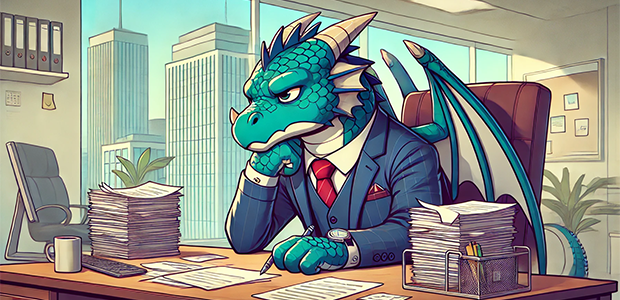
Just like many entrepreneurs, I have been approached by the Dragons’ Den multiple times to pitch my business on the show, and every time we were called, I declined. For years, the show was the ultimate launchpad for startups, promising funding, exposure, and prestige. But let’s be honest: Is Dragons’ Den still the powerhouse it once was, or has it become nothing more than a flashy TV relic, out of touch with the realities of modern entrepreneurship?

With just over three months until the EU’s European Accessibility Act’s highly anticipated implementation date, new research by Storyblok reveals that only 25% of European businesses say they are fully prepared to comply with the Act’s provisions.

Startups can’t afford to waste time and money on events that don’t deliver real business results. In today’s competitive landscape, every event must drive outcomes that fuel growth.