Starting a business is never easy, but starting one as a female founder in a highly regulated industry brings its own unique set of challenges.

What does it mean to be a successful woman? Is it about breaking barriers, defying stereotypes, or simply staying true to ourselves?
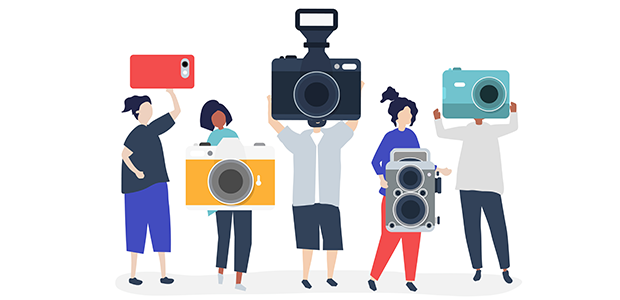
At 17, I wanted a darkroom in the garage and to take photos all day… at 30, I was still convincing myself photography wasn’t a ‘real’ career.

In the end of 2019, just before the world would change forever with COVID-19, my co-founder and I (both seasoned veterans in the HR and global employment space) decided to take a bold leap.
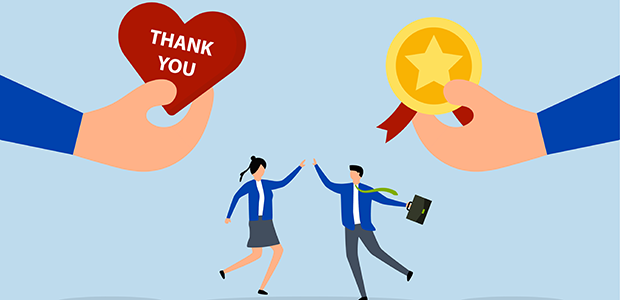
I remember early in my career how happy and motivated I felt when I was entrusted with some task that was out of the ordinary.

In the lead-up to International Women’s Day, a day dedicated to acknowledging, recognising, reflecting, acting, speaking up, celebrating, and empowering women, I’m reminded of the immense power we each hold through PR and our own publishing platforms – such as our social media profiles, personal blogs, websites, newsletters, podcasts, video channels, online courses/webinars. These all allow us to create and share our stories and messages directly with the world.
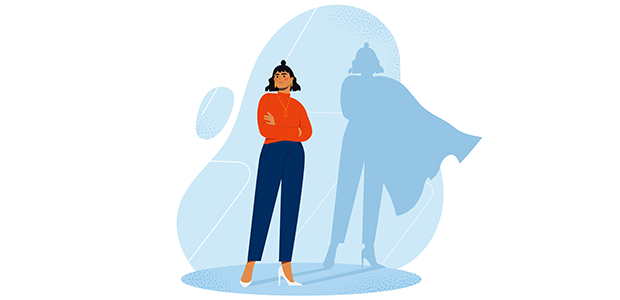
What do a controlling bully, a serial adulterer, and an alcoholic fraud have in common? I married them all. Big mistake!

The last Issue of Startups talked about how sustainability had to be a focus for startups in 2025, and I couldn’t agree more. As a founder committed to solving the planet’s biggest problems, I support SMEs with digital transformation and sustainability.

As International Women’s Day approaches (8 March, 2025), GRiD, the industry body for the group risk sector, is cautioning employers on providing one-size-fits all employee benefits for female staff, as their concerns are quite specific. Its research shows that female employees’ concerns about their physical health increase with age, but mental wellness-related issues peak earlier in life.

PR and visibility expert Amanda FitzGerald shares five ways you can be seen as the go-to expert in your field.

Artificial Intelligence (AI) is revolutionising everything, and the design space is no exception. AI offers startups innovative tools to enhance creativity, streamline processes, and reduce costs. When startups have limited resources at the start, AI is an excellent option to overcome challenges.

As we celebrate International Women’s Day, there’s still a lot of progress to be made in closing the female investment gap. Despite one in five startups having a female founder, by the time you get to venture funding, a shocking 2% goes to all-women founded teams. According to the latest Virgin StartUp Founder Barometer, over a fifth (22%) of women shared that the biggest challenges when it comes to running their own business today is access to funding.
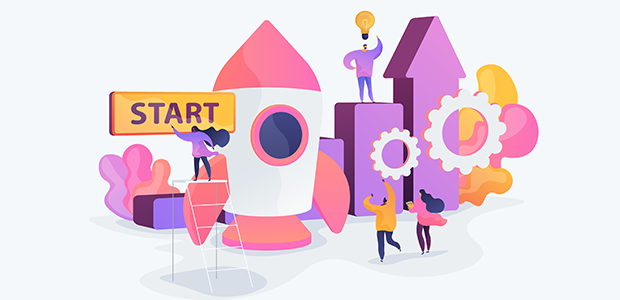
The competitive reality of startup accelerators has reached new heights, with recent industry data revealing a stark imbalance between supply and demand. Approximately 4.2 million companies search for funding annually, with 1.6 million applying to accelerators. Yet, only 48,000 are accepted into equity-based and non-equity-based programmes, according to Crunchbase data, leaving 97% of entrepreneurs underserved and without access to critical support.

Ying Liu is the head of AI R&D at the London-based startup TG0, and a pioneering researcher in human-computer interaction. Here she offers her advice to the next generation of female technology leaders.
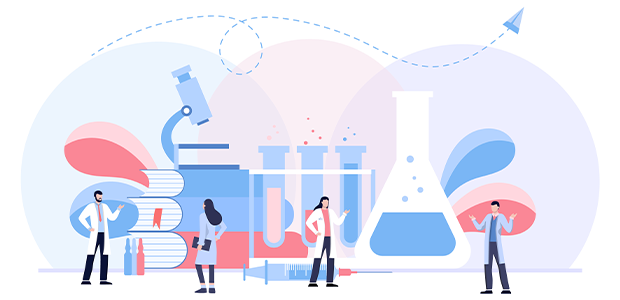
In the world of healthcare, there has been a long-standing gap in the way diseases and medical conditions have been researched, diagnosed, and treated for women. From heart disease to reproductive health, much of the focus has historically been on male-centric research and clinical trials.
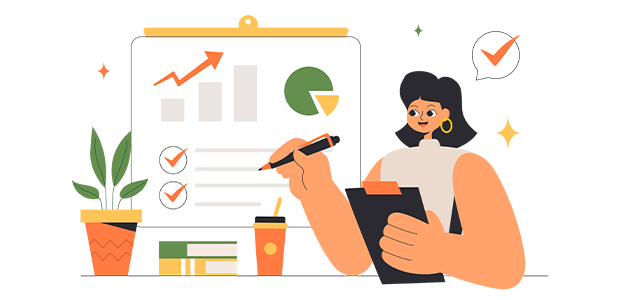
In the UK, 18% of businesses are female-owned, while 82% are male-owned. Yet, women are starting more businesses, and 16-22-year-olds are starting more businesses than any other age group.
I want to be a billionaire, and I’m not afraid to shout it from the rooftops. Why? Because the world needs more women in business who dare to dream this big – and act on it.

What if optimising your hormonal health was the key to showing up as the strongest, most authentic version of yourself – working with your biology, not against it?

MISSION – a natural energy drink and performance tea company – has announced it has successfully extended its equity fundraising round to £2 million, inclusive of investment from F1 driver Pierre Gasly.

The European Commission (EC)’s CLIMOS project has partnered with global innovation network F6S to establish an AI-powered early warning system for outbreaks of tropical diseases in Europe. CLIMOS (Climate Monitoring and Decision Support Framework for Sand Fly-borne Diseases Detection and Mitigation) seeks to reduce model uncertainties for better prognosis of the current and potential spread of Sand Fly-Borne Diseases (SFBD). This, in turn, provides socio-economic and risk assessments for a diversity of stakeholders.