Features
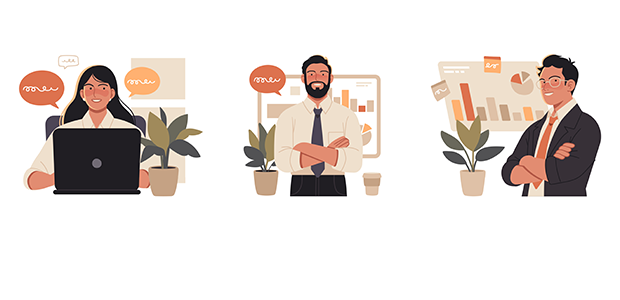
As businesses bring teams back into the office after years of remote work, many are finding that the transition is more disruptive than anticipated. Despite good intentions – to reconnect people, foster collaboration, and rebuild culture – many return-to-office (RTO) plans are failing to deliver. In some instances, they are causing more harm than good.
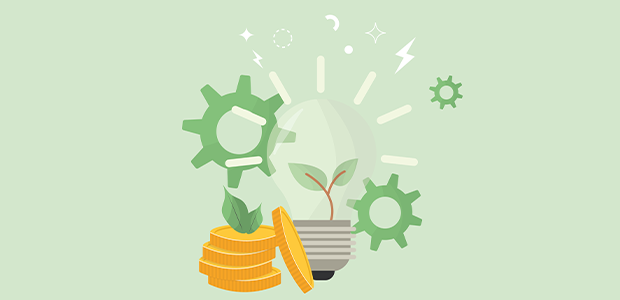
Climatetech is an umbrella term for technological solutions that have been built to address the climate crisis. It can include solutions built to support decarbonisation, the energy transition, and reducing emissions. Startups within this space are working in a variety of sectors, such as electric vehicles, sustainable foodtech, battery recycling, clean energy solutions, and biomaterials.
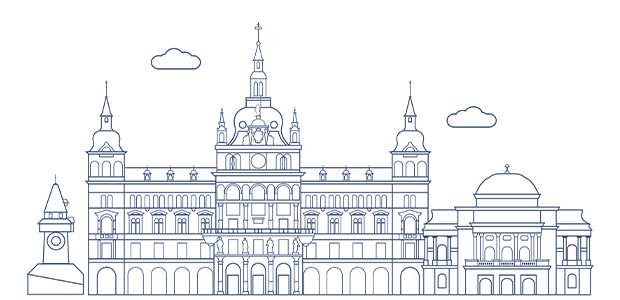
Vienna is the heart of Austria, but the second-largest city, Graz, is a gem in itself. Its historic city centre is one of the best preserved city centres in Central Europe, and in 1999, it was added to the UNESCO list of World Heritage Sites. Graz was also designated the Cultural Capital of Europe in 2003. The city is filled with natural beauty and culture and should be top of people’s tourism wish list.

If you’re a startup founder in the UK, you probably over-index in hard work, determination, and resilience. Data from Statista shows that over 90% of startups in the UK fail in their first year. And only 39% of startups launched between 2019 and 2022 are still in business.

We all have our echo chambers, but leaders have them more than most. And that’s a problem, because they undermine decision-making, are usually invisible, and can be tough to break.
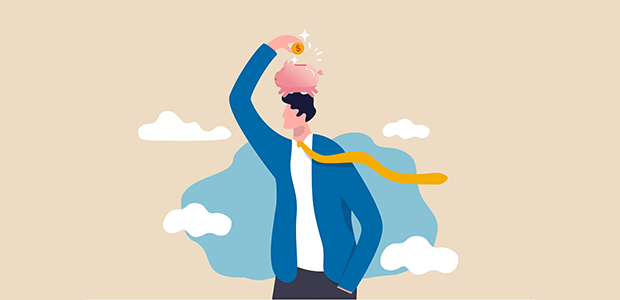
When you’re in growth mode, paying yourself often becomes an afterthought, caught between reinvesting in your business, managing expenses, and holding your breath until the next big sale. But what if you didn’t have to choose between growing your business and getting paid fairly.
Compliance with regulations or standards should not be seen as merely a tick-box exercise. It’s a crucial route to increasing trust among your customers, especially for startups.
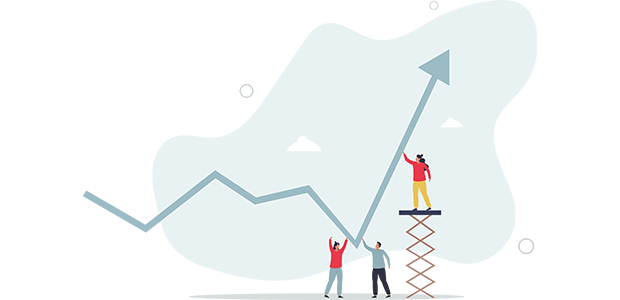
For most people, the idea of starting their own business is a daunting enough challenge to overcome. It’s only once it’s up and running that it becomes clear the greater challenge will be growing the business and, even more specifically, taking it from the startup to the scaleup stage.

During his ‘Liberation Day’ announcement, Donald Trump revealed aggressive measures that will have consequences for trade on an international scale. Any country charging tariffs on US exports will see tariffs rise for products they send in the opposite direction, while Canada and Mexico will be hit with sweeping duties.
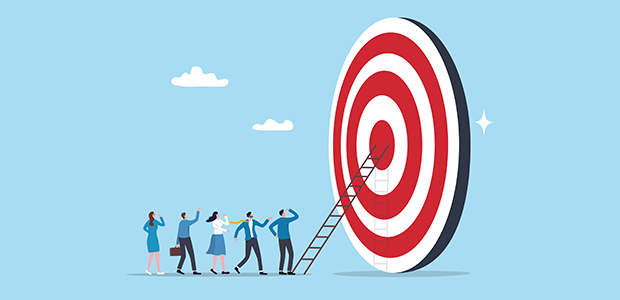
In today’s fast-paced and ever-changing business world, it can be easy to get caught up in the hustle of chasing profits, expanding networks, or challenging competitors. But during this whirlwind, many entrepreneurs lose sight of what truly drives them.

Startups have a unique advantage when it comes to building a sustainable future. Unlike large enterprises that must modernise or upgrade operations to align with circular economy principles, startups can integrate these models from the beginning, creating a sustainable foundation for future growth while contributing to global decarbonisation efforts.
In this day and age, every business must have a digital presence to survive. Do you need a cleaner? A dog walker? A plumber? A quick Google search will bring up hundreds of thousands of options. However, search algorithms are unforgiving, and to get to the top of the page can be a feat. Couple this with short attention spans and picky users, crafting the perfect digital presence becomes a hefty task.

As global trade regulations continue to shift constantly, the UK retail sector faces a new wave of challenges, particularly with the evolving impact of tariffs on cross-border commerce. These changes are not just increasing the cost of goods sold but also complicating the way returns are managed. For UK retailers, the evolving tariff landscape presents both new obstacles and opportunities to reassess business practices, particularly when it comes to returns management.
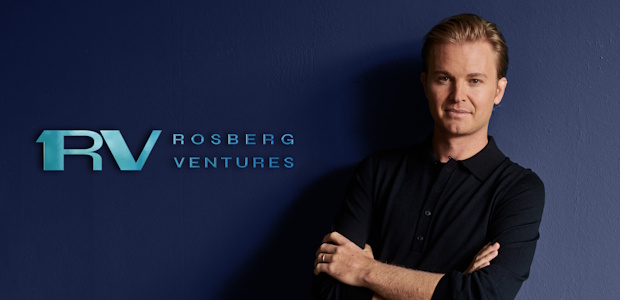
Nico Rosberg is a Formula 1 World Champion turned entrepreneur and venture capitalist. After achieving his lifelong dream of winning the F1 World Championship in 2016, he retired from the sport to explore new challenges.

Obsolescence is inevitable. Time marches on, technology grows older. Startups often face unique challenges when managing component obsolescence, given their limited resources and need to focus on innovation and rapid market entry. Effective obsolescence management ensures these businesses avoid the financial and operational setbacks caused by unexpected part unavailability, which could jeopardise product delivery or require costly redesigns.

The digital age has brought about unprecedented opportunities and challenges. As businesses and consumers become more interconnected, ensuring cybersecurity has become paramount.

Growth Studio is on a mission to find ambitious startups tackling the triple planetary crisis and to give them the foundations they need to change the world.

Before we look at how to get flexible working at work, let’s be clear about what flexible working is and how it can work for you.
Due diligence and compliance have long been slow, paper-heavy, and reactive, surfacing risks only after key business decisions. That paradigm is shifting. As well as automating tasks, AI is transforming how risk is assessed, decisions are made, and compliance teams operate.
Research from the British Chamber of Commerce reveals that 43% of small and medium sized businesses (SMBs) have no plans to use Artificial Intelligence (AI), despite a growing acceptance by businesses that it will help boost productivity. Only a quarter (25%) say they are using a specific AI technology, with 24% planning to in the future.