Diversity

Diversity, Equity, and Inclusion (DEI) initiatives in large enterprises are frequently criticised as being more performative than practical, with many companies failing to implement meaningful change, according to AND Digital’s Rewards & Resilience report.
The National Autistic Society has introduced a new initiative to help organisations develop more inclusive and supportive workplaces for autistic employees. The Autism Inclusive Employer Award aims to boost understanding, address the needs of autistic staff, and make the workplace more comfortable for autistic individuals.
New research from the University of Salford is shining a light on the reality of how UK working women set about having to manage or control the pressures of clashing roles, such as employee, parent or carer, when work and aspects of their personal lives conflict.

The role of a Transformation Advisor has become increasingly crucial in today’s evolving corporate world. They are not only consultants but catalysts for change, helping organisations navigate complex transformations while ensuring that all voices, especially those of underrepresented groups, are heard.
In the past 72 hours, a growing movement has emerged, demanding urgent reforms to Innovate UK, the Government’s innovation agency, following the controversy surrounding its recent ‘Women in Innovation’ Awards.
In this article, Lauren Neal discusses her journey as a woman in STEM, and the ways that companies can foster equality.

As we celebrated Women’s Equality Day, it’s important to remember the ways we can enable fair and equal accessibility in the workplace.
The conversation around women’s equality has been gaining momentum for years, but the journey is far from over – especially for Black women. As a founder and advocate for diversity and inclusion, I’ve seen first-hand the systemic barriers that continue to hold women back, particularly in the professional world.

When an important business meeting coincides with a child’s “Family Day” at school, many women in tech face a familiar dilemma. It might seem like a minor event, one where a partner can step in to represent the family. The day continues as planned, with real-time updates and photos streaming in from the event. But upon returning home, there’s often that lingering feeling, sometimes reinforced by others, that something was missed – a reminder of the constant balancing act between professional ambition and personal responsibilities.

In 2024, nearly half of Brits feel like we’ve done enough when it comes to women’s equal rights, so much so, that 59% of men feel like we’ve actually gone so far that we are discriminating against men. For context, over the last year, the gender pay gap for women aged 30-39 doubled and it’s the highest it’s been in 15 years. Something’s not adding up.
When I first embarked on my career in AI, I wasn’t fully aware of the challenges or the triumphs that would come my way. What I did know was that I had a passion for data and a drive to solve problems that could make a real impact. As a co-founder and Chief Technology Officer of Helios, an AI company that predicts agricultural disruptions and soft commodity prices, my journey has been a blend of relentless hard work, continuous learning, and a deep understanding of the unique value that women bring to the tech table.

Eleven years ago at a conference, I asked a woman founder about her biggest challenge in business. Her response – “getting capital” – came quickly, and set off something within me. As I looked into this further, I discovered just how widespread – and persistent – this issue is.
A new report from AND Digital reveals that 78% of women leaders in technology roles feel they have succeeded in their careers, with confidence increasing with age. The “Rewards & Resilience” report, which surveyed over 200 women leaders in tech, highlights both the triumphs and challenges faced by women in the industry.
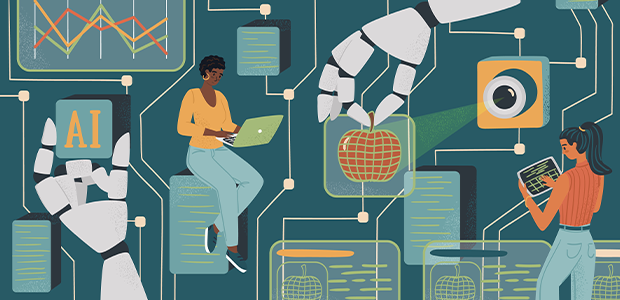
According to a recent report by Nasscom and the Boston Consulting Group, a striking 90% of women view generative AI as vital to their professional advancement, recognising these tools as essential for career development. Despite this strong interest, only 35% feel adequately prepared to utilise these technologies, with the gap in readiness particularly pronounced in non-technical roles.
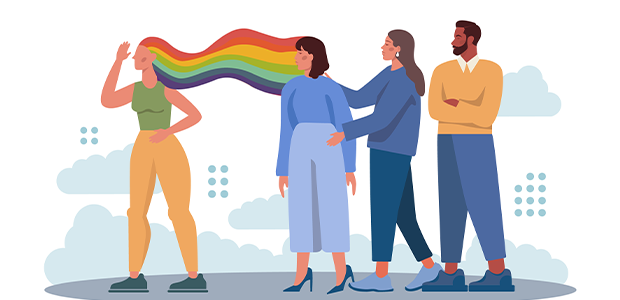
There is still a huge amount of stigma, prejudice, and discrimination against individuals who come out as gay, lesbian, bisexual, transgender, and other genders in the workplace. For most individuals, it is an incredibly uncomfortable and emotional experience, and for some, it can be traumatic. In this article, Glenn Mason, Senior Clinical Lead at Onebright discusses how to support employees coming out in the workplace.
Diversity is a word we hear a lot in the context of business and unfortunately, it’s still often used as a tick box exercise for what a company ‘should’ be doing. This typically means a business and its leaders do not recognise the value a diverse, multicultural team can bring to the business.
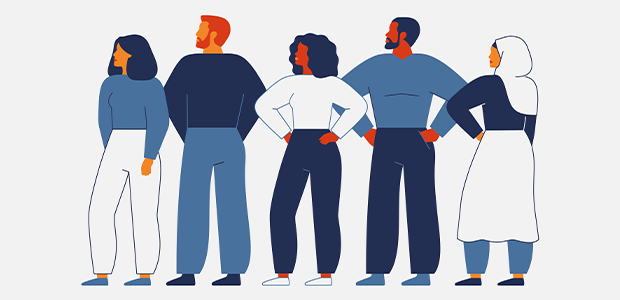
The latest Global Entrepreneurship Team (GEM) UK National Report has revealed significant trends in early-stage entrepreneurial activity, particularly among women, immigrant, and non-white ethnic populations, who remain the most entrepreneurial groups in the UK.
Despite progress, women’s representation in the global tech workforce remains low, even at leading tech firms. This highlights the need for ongoing efforts to boost gender diversity in the industry.

A new report from AND Digital, titled ‘Rewards & Resilience,’ highlights the duality faced by women leaders in technology roles: immense job satisfaction coupled with significant barriers. According to the research, 90% of women find their careers rewarding despite an equal percentage experiencing gender bias.

Over half (52%) of CEOs believe their organisations lag in workforce diversity, with 37% of chief HR officers sharing this sentiment, according to research by The IN Group.