Diversity

New research from YuLife’s ‘Getting Workplace Wellbeing Right in 2025’ report highlights a gender gap in employee wellbeing, with financial uncertainty and job stability influencing career decisions in the coming year.

Addleshaw Goddard and HSBC have announced the return of the Ethnic Business Growth Programme, an initiative which seeks to empower and support UK businesses which are led by entrepreneurs from ethnically diverse backgrounds.

The latest Work Index from the future of work experts, Flexa, has analysed data from throughout 2024 to reveal the biggest work trends of the year, and those set to shape how we work in 2025.
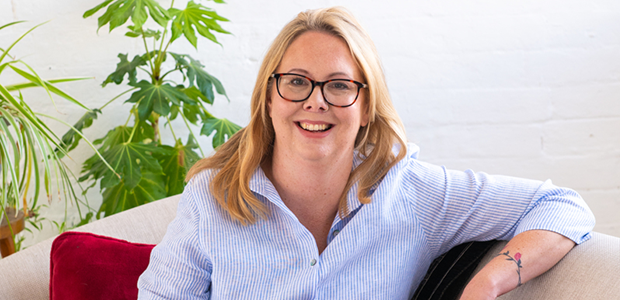
Tara Askham of Bakersfield, Nottingham has been crowned one of the UK’s most impressive female entrepreneurs by Small Business Britain’s ‘f:Entrepreneur #IAlso100’ campaign.

Every year, Startups Magazine makes a list to highlight some of the incredible women in our network and 2024 was no different.

As a CEO and Managing Partner of a boutique recruitment agency specialising in scaling startups, I believe diversity is not just a moral imperative – it’s a competitive edge. Many startup founders hesitate to embrace diversity due to concerns about cultural integration, communication barriers, or team dynamics. Yet these challenges are solvable, and the rewards of building a diverse team far outweigh the risks. In this article, I’ll share why hiring diverse teams is essential for growth, innovation, and long-term success.

Scot-Study, Scotland’s edtech platform dedicated to helping international students, have successfully showcased the power of fostering diversity and international collaboration in Scotland, at their second annual Christmas Soirée.

November 7, 2024, marks the launch of Women’s Health & FemTech Ukraine, the country’s first professional community dedicated to women’s health innovation.

Midlife women are disproportionately held back from founding socially responsible businesses due to competing household and financial demands, according to new research.

A new study, ‘Women Founders in European Deep Tech Startups’ reveals that women founders in the field receive less total funding compared with male founders. According to the study, women are underrepresented in deeptech startups, with less than one quarter (24%) of deeptech startups created in 2022 having at least one woman in the founding team.

Most women in technology say they feel supported and included in their current work environment, new research by Lorien has found.
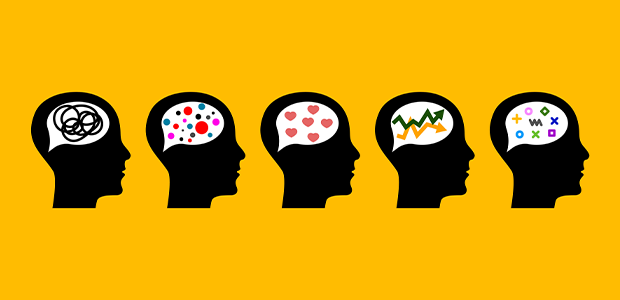
Today’s business environment is increasingly competitive. With creativity and innovation more crucial than ever to drive business growth, ensuring a diverse workforce has fast become a key priority for leaders. Despite the continued focus on DE&I, there is still a lack of understanding when it comes to neurodiversity. This has very real consequences for individuals, businesses, and the wider economy.

Diversity in a startup team is more crucial today than at any other time in history. Innovation and the ability to adapt to emerging markets are essential for success, and what better than a diverse team to create the competitive edge required for long-term success?

A survey by AND Digital, featured in its ‘Rewards & Resilience’ report, revealed that 68% of women believe more can be done to enhance the workplace for women in leadership, particularly through better career pathways and mentorship support.

WVC:E has released a significant report shedding light on the intersection of motherhood and the venture capital industry. Titled Investing in Women: The Untold Stories of Mothers in VC, the report compiles valuable data and perspectives from women working in European venture capital.

A new report from EY has raised concerns about the future of the UK’s female-led SuperScaled companies, which contributed £7 billion to the national economy in 2022. The study warns that without stronger support for the next generation of women entrepreneurs, this significant economic impact could diminish.
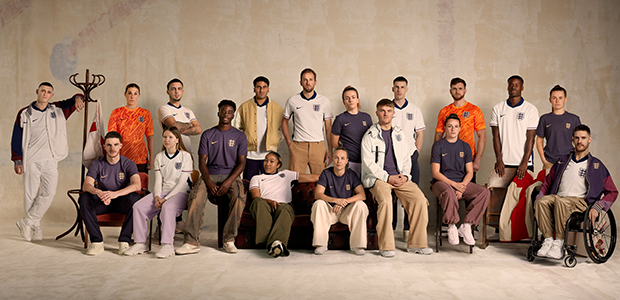
Azeem Amir, a visually impaired footballer with 28 caps for England, a successful TedX speaker, and a thriving entrepreneur, has made it his mission to make sports and society more accessible for everyone.

The need for increasing women’s representation in STEM is widely recognised, but the challenge extends far beyond simply attracting more women into the sector. According to Forbes, after just 5-7 years in their jobs, 40-50% of technical women leave the STEM workforce. More needs to be done to not just recruit women but also retain them, urges author Lauren Neal.

Before I start, I want to make one thing very clear, the rise of women is never about the fall of men. For me, this statement encapsulates the essence of equality, it’s not a zero-sum game.
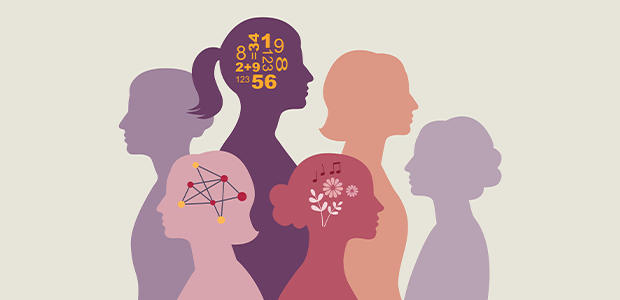
Many companies have a talented workforce consisting of individuals with remarkable skills and insights, yet some may face challenges navigating the traditional office environment. In this article, Dan Kentley, Head of Specialist Services at Onebright, discusses how companies can seek neurodiversity employee support.