

What sport gets right that workplaces still miss

Building female talent pipelines is something most organisations would say they care about and there’s certainly more focus on it than ever before with plenty of good intentions behind it. Even so, there remains a clear gap between what businesses aim to achieve and what people experience once they’re inside those environments.
Women are entering organisations, yet progression does not always follow as it should. Retention can be inconsistent and, in many cases, there is no clear sense of what the next steps look like. Much of this comes down to whether people feel supported, valued and able to see a future for themselves within the organisation.
I’ve been at Snow Camp for over a decade and the reason I’ve stayed is simple; throughout my time here, I’ve felt invested in. I’ve been given opportunities to grow, encouraged to take on new challenges and supported by managers who genuinely wanted to see me develop. That kind of environment builds loyalty in a way that policies alone never can. When people feel valued, they stay, and when they don’t, it becomes very difficult to justify doing so.
Looking at how we build pathways for young women through sport, there are some clear lessons for workplaces, particularly around confidence, visibility and progression.
Confidence is built through experience, not perfection
Sport creates an environment where failure is expected and accepted. Progress comes through trying, getting things wrong and then trying again. That cycle is what builds resilience over time.
Teaching young people to ski or snowboard through our charity is the perfect example, it demands perseverance, determination, the ability to take instruction and the courage to face the unknown. These are not just sporting lessons, the ability to persist and adapt to new challenges and take direction are the qualities to success in the workplace too. Success is shaped by how someone responds in the moments that follow rather than by avoiding mistakes altogether.
For many of the young women we work with, that mindset has not always been encouraged elsewhere. Some arrive having been placed in environments where confidence has been chipped away at over time, whether through academic labelling or lack of encouragement. When they step into something completely new, such as skiing or snowboarding, there is often a noticeable shift. They begin to recognise their own capability and what they can achieve, and it feels personal rather than dependent on anyone else. That shift in belief extends far beyond the activity itself and starts to influence how they approach other areas of their lives, including work.
Progression needs to be visible to feel real
Clarity around progression is another area where sport offers a strong example. There is always a next step and a way to progress, and it is visible from the beginning.
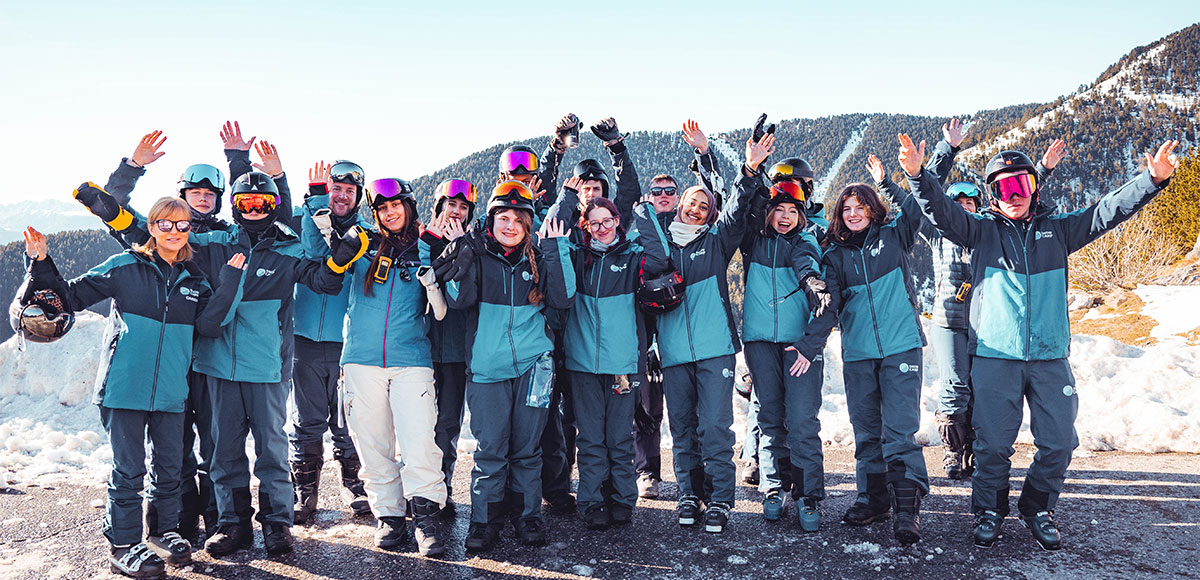
At Snow Camp, young people joining the apprenticeship scheme regularly see others who were recently in their position now taking on responsibilities as instructors, mentors or leaders. Many of our apprentices and youth volunteers have progressed through the same pathway, which creates a clear and relatable journey. For young women, this visibility is particularly important.
Without seeing someone similar to themselves in these roles, it becomes much harder to imagine that progression is achievable. In many workplace environments, particularly those where leadership teams remain male heavy, this lack of representation can quietly limit ambition. Within our own organisation, there is a strong female presence across all levels, including the senior management team, that consistency reinforces the idea that progression is both realistic and attainable.
Creating environments where people feel they belong
For the second year running, more than half of the young people taking part in our programmes identify as female, and that is because our environments are designed to ensure young women feel comfortable enough to fully take part and build confidence over time.
This includes female-only groups, as well as programmes tailored to support specific communities, such as young Muslim women. Considerations such as providing space for prayer, supporting participants during Ramadan and creating culturally aware environments all contribute to making participation feel accessible.
This level of thoughtfulness not only supports the individuals involved but also reassures families that their needs are understood and respected. When people feel that they belong, their engagement changes. Confidence develops more naturally and participation becomes something they actively want to continue.
What businesses can learn from this
There are several practical lessons here for employers, firstly, that investment in people needs to go beyond recruitment. Long-term development, opportunities to grow, and consistent support all contribute to whether someone chooses to stay and progress or leave. Within Snow Camp, many members of the senior team started in more junior roles and have developed over time (such as me!), which reflects a long-term commitment to nurturing talent.

Secondly, having that visibility of role models is also just as important. Written policies and strategies can only go so far, whereas seeing someone who has taken a similar path and progressed successfully has a far greater impact on belief and motivation.
Third and probably most important is the need to have ongoing support. Recognition of good work, open conversations about future goals and a willingness to understand what individuals need to develop further all contribute to a stronger, more engaged team. Even if the opportunity cannot be met, the act of listening and engaging with those ambitions builds trust.
Moving from intention to impact
Most organisations are not lacking in intent, there is a genuine desire to improve, but often a disconnect between attracting talent and creating an environment where that talent can thrive over time. Sadly, that disconnect is where pipelines begin to weaken.
Building a strong female talent pipeline requires more than hiring or setting targets. It involves creating an experience where people can see a clear path ahead, feel supported as they move along it and recognise themselves in the people who have already progressed. When those elements are in place, progression becomes more natural and sustainable.
If more organisations were able to take that approach the same way we do in Snowsports, the conversation would begin to shift from intention to meaningful impact. More women would not only enter workplaces but also stay and develop and grow into leadership roles with confidence and backing.
Opening the door is only the starting point; continued support, visibility and belief are what allow women to keep moving forward.
For more startup news, check out the other articles on the website, and subscribe to the magazine for free. Listen to The Cereal Entrepreneur podcast for more interviews with entrepreneurs and big-hitters in the startup ecosystem.
