

Is everyone a thought leader? (And if so, is anyone?)


If everyone is a thought leader, does that actually mean anyone is? And honestly, this is the question I keep coming back to.
I genuinely hadn’t heard the term thought leadership ten years ago. Now I see and hear it everywhere – and it comes up in a large majority of conversations about content strategy and branding. Somewhere along the way, I think we’ve quietly confused exposure with credibility, and that’s a subject worth talking about.
The dictionary definition of thought leadership is specific: “the activity of influencing other people with your ideas and opinions on a particular subject, especially in business.”
Authentic thought leadership breaks with the traditional school of thought to provide new, ‘white space’ perspectives in an industry. What we need to see from ‘thought leaders’ is advocacy for improvement and the driving of meaningful change. It’s not about chasing LinkedIn likes or pumping out hot takes before your first coffee of the day.
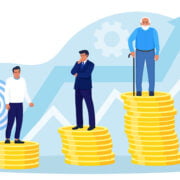
And it simply cannot be something everyone is, because if everyone is a thought leader, the definition collapses in on itself. It’s just not possible for everyone to be one. Otherwise, nobody can be, right?
The LinkedIn effect
I love LinkedIn – it’s my favourite platform. One of the most underrated aspects of it is that it has given a voice to people who previously didn’t have one. Not everyone has a publishing platform, a conference stage, or a PR agency behind them, so building an audience there has been genuinely transformative.
I would add that I think it is one of the best ways to build authority by shouting out other team members, brands, and suppliers who are doing great work. I know a lot of people who have built great awareness and authority in their world while hardly talking about themselves.
But that same openness has created a culture where the pressure to post constantly, to stay visible, to be seen as relevant, has led people to share before they’ve earned the experience behind what they’re saying. And audiences notice.
The content that makes me scroll past immediately? Overly performative posts trying too hard, anything that screams written by AI, and the biggest red flag – people attempting to be a thought leader on every single topic simultaneously. Pick one or two topics you genuinely understand and are passionate about. That’s where authority actually lives.
The AI problem
Now, when it comes to AI, has it made the oversaturation worse? Absolutely. It is now easier than ever to sound intelligent without saying anything original. But audiences are getting sharper at detecting it faster than most brands and founders realise. People can see how it may not be your actual tone of voice or opinion quite easily.
Someone asked me the other day if we’re heading for a backlash against polished corporate personal branding? I’d say so.
Some of my content that performs best is the most unpolished – last-minute, authentic, selfie quality. Behind-the-scenes content is also on fire right now. With phones getting better and editing software more accessible, there’s really no excuse for everything to look produced. AI is making readers and customers question more and more what they see, so don’t be afraid to be less polished. It builds trust in a way that a carefully art-directed grid simply can’t.
Thought leadership isn’t just for founders
One of the most common mistakes I see is treating thought leadership as a solo sport – and thinking it’s only founders who can be thought leaders. Your whole team should become characters in your marketing and PR strategy. At Electric Cat, we love nothing more than our team building and sharing our own voices. In turn, it multiplies your reach and makes everything feel more real. Because it is!
Thought leadership is supposed to mean something. And the uncomfortable truth is that the more people claim the title, the less it’s worth. So next time you’re about to describe yourself – or your founder, or your client – as a thought leader, pause for a second. Ask yourself honestly: are they challenging conventional thinking, driving meaningful change, and giving more than they take? Or are they just very good at LinkedIn? There’s a difference. And in 2026, your audience knows it.
For more startup news, check out the other articles on the website, and subscribe to the magazine for free. Listen to The Cereal Entrepreneur podcast for more interviews with entrepreneurs and big-hitters in the startup ecosystem.
