

The 9-5 was never designed for women: this is why it’s breaking your best performers


Burnout among women in the workplace is rising, but the real cause isn’t mindset, resilience, or ambition – it’s rooted in biology. This article by performance coach Caroline Canty explores why traditional productivity models don’t work for the female body, how that misalignment shows up in professional spaces, and what smarter businesses can do differently to change it.
If a founder asked me what the real reason women are burning out at work is, my answer wouldn’t be resilience, ambition, or mindset. It would be design.
When we talk about burnout, we need to be clear about what we’re actually describing. On one side, there’s the data. On the other, there’s what women experience day‑to‑day:
- Fatigue
- Cognitive overwhelm
- Chronic stress
- Feeling swamped by tasks
- Imposter syndrome
- The constant fear of being found out
- Feeling like they’re not good enough, or that they can’t cope
What makes this particularly hard is that at certain points, women do feel on top of things. There are periods where performance is high, energy is there and everything flows, and because of that, there’s never a clear signal to change anything. Instead, women assume the problem is them – that they’re just having an “off week”.
In reality, the system isn’t designed for women to work at their optimum consistently. They only experience that optimum during small windows. The rest of the time, they’re trying to meet the same expectations under completely different biological conditions.
Burnout doesn’t look the same for everyone either. For some women it shows up as insomnia or disrupted sleep. For others it’s migraines, chronic fatigue, or ongoing pain – but all of it stems from the same thing: the prolonged presence of stress in the system.
Men experience burnout too (it’s not gender‑exclusive) – it’s the sustained presence of mental, physical, or emotional stress over time. The difference is that women experience it at higher rates, and the evidence is clear.
A 2025 McKinsey study found that 60% of senior women report frequent burnout, compared with 50% of senior men. The gender burnout gap has more than doubled since 2019, and it gets worse the more senior women become. Burnout among senior women is now at a five‑year high, and among those newer to senior roles, 70% report frequent burnout.
So why is this happening?
The core issue is that the modern workplace is designed around a male hormonal pattern, not a female one. It assumes biological linearity.
Men generally operate on a 24‑hour hormonal cycle. Women operate on cycles that can range from 25 to 39 days – before accounting for PCOS, endometriosis, pregnancy, postpartum recovery, perimenopause, or menopause.
This means that on each day of her cycle, a woman is biologically a slightly different person, with different cognitive strengths, energy levels, and stress tolerance. A system designed for a 24‑hour cycle only aligns with women at certain points – often not because the system fits them, but because they’re temporarily more resilient to stress.
Across a woman’s cycle, she’s biologically wired to do different tasks better at different times. That’s why sometimes she feels sharp and capable, and at other times exhausted and overwhelmed. Her biology has shifted, but her expectations haven’t. The goalposts move, but the standards applied to her stay the same.
The result is a growing mismatch between expectation and reality.
This is also the first time in history we’ve seen this sheer volume of women go through their full working lives in high‑pressure roles. Many of the women who entered professional environments in the 80s and 90s are now hitting menopause – a significant biological stressor – at the same time as peak career responsibility. Their capacity to recover has changed, but the workload hasn’t.
Add to that an always‑on, digital‑first world, where psychological stress has become constant, and the pressure compounds.
On top of this, businesses demand consistency. They require people to bring the same energy every day. Whether inconsistency is caused by trauma, chronic stress or biological fluctuation, it becomes a risk. High cortisol and burnout don’t just affect individuals, they affect performance and bottom line results.
This isn’t a failure of resilience. It’s a design and system flaw.
Burnout is what shows up when women operate long‑term in systems that don’t allow for biological reality. The symptoms vary, but the source is the same.
This pressure is amplified as women become more senior. The higher the role, the more risk is carried personally. Nervous systems are triggered more often, while stress resilience declines with age and hormonal change accelerates.
Layer in pregnancy, postpartum recovery, menopause, chronic conditions or neurodiversity such as ADHD, and the gap widens further.
Ironically, workplaces often reinforce behaviours they believe are positive; “bring the same energy every day”, “leave your emotions at the door”, “put your game face on” (that last one was my corporate favourite). But this ignores the fact that work is a human’s most significant social group; the brain treats it as a survival arena, so when women feel they’re slipping, even temporarily, the threat response is amplified.
Many women also hide the cost of meeting these expectations. Deloitte’s Women @ Work study showed that around 90% of women believe there would be negative consequences if they disclosed mental health struggles at work.
So not only is the problem growing – women are actively not talking about it.
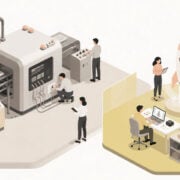
For businesses, the impact is significant. High performers are lost, leadership becomes fragmented, women leave roles they were succeeding in, knowledge disappears, engagement drops, retention costs rise, absenteeism and presenteeism increase, clients leave, and startups fail.
Burnout costs businesses hundreds of millions globally once lost revenue, recruitment, sick time and missed innovation are accounted for. Decision quality drops. Creativity fades. Performance becomes fragile.
So what’s the smarter option?
First, flexibility in how performance is measured. Tying success to one or two rigid metrics removes multiple ways to win. A range of success protects morale during inevitable business dips and supports sustained performance.
This benefits everyone, but it matters more for women because their perception of success shifts more fluidly. When performance dips, leaders must point to tangible evidence of impact – the brain won’t accept empty reassurance.
Second, workloads should be planned around energy where possible. For lower‑priority tasks, aligning work with biological capacity increases productivity. For immovable deadlines, adaptation is key – changing how work is done, not lowering expectations. Transcribing instead of typing. Visual formats instead of dense documents. Adapting tools rather than pushing harder.
It’s not that women can’t meet expectations anymore. It’s that some tasks require more energy at certain times, so we adapt processes, not standards.
Finally, as women become more senior, businesses need to reinforce a shift from outputs to outcomes. Leadership impact evolution is rarely taught; understanding that success changes along with a role is critical to strong leadership, yet it’s often overlooked. It’s how you get them to let go of the to-do lists and the outputs, and embrace business outcomes as their new metrics of performance.
Design systems this way and you don’t just support women. You support everyone. You reduce interventions, prevent burnout and build healthier, more resilient cultures.
The solution isn’t about fixing women or excluding anyone.
It’s about fixing design flaws – and that’s something every business benefits from.
For more startup news, check out the other articles on the website, and subscribe to the magazine for free. Listen to The Cereal Entrepreneur podcast for more interviews with entrepreneurs and big-hitters in the startup ecosystem.
