
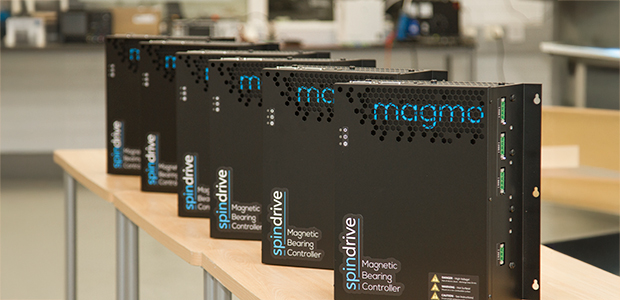
SpinDrive has raised new growth funding. The company’s frictionless machinery products enable industrial end-users and original equipment manufacturers (OEMs) to achieve higher energy efficiency and productivity, while reducing operational emissions, maintenance costs, and pollution from oil-based lubricants.

roclub announces it has raised $11.7 million to fuel its next stage of growth. The Series A round was led by Smedvig Ventures and YZR Capital, with participation from existing investor Speedinvest and angel investors.
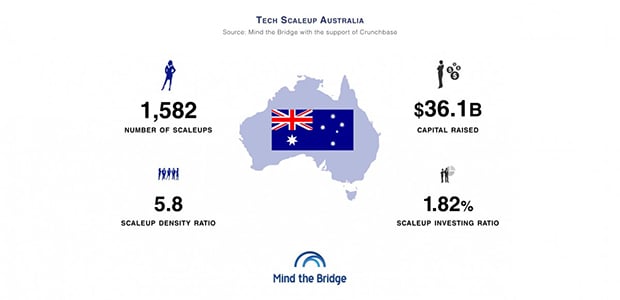
Australia’s innovation ecosystem is consolidating its position among the most dynamic globally, with almost 1,600 tech scaleups identified and over $36billion in capital raised, according to the Tech Scaleup Australia 2025 Report presented today by Mind the Bridge and ACCIONA at the MTB Scaleup Summit Sydney 2025.

There’s a dangerous myth that continues to linger in startup culture – if you build a great product, they will come. Though it’s the mantra widely attributed to Facebook’s rise in 2004, it simply no longer holds true in today’s world.

The evidence shows that small business owners are disproportionately affected by mental health issues compared to the wider population. Largely driven by the stresses of owning and operating a business, SME owners are susceptible to a range of mental health problems.

IW Capital has invested £4 million into Navigator, a fast-scaling digital advertising platform that is redefining how brands reach millions of travelling consumers in a privacy-first world.

Mimica has announced a $26.2 million Series B funding round led by Paladin Capital Group, with continued backing from Khosla Ventures, LGVP, and Entrepreneurs First.

The innovation efforts of many organisations are failing not because of a lack of ideas, but because of how those ideas are measured and managed. That’s the central argument of ‘Expected Value: The System to Align Innovation, Strategy, and Value Creation’, a new book by Simon Hill, CEO of global innovation scaleup Wazoku.
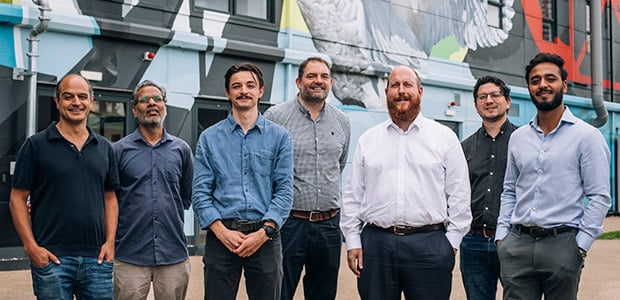
UK-based startup, Super6, raises £1.1 million to unlock one of the last foundational technologies of the new global energy system

Over a third of SMEs (35%) say they are actively using AI technology, up from 25% in 2024 – according to research by the British Chambers of Commerce, in partnership with Intuit, the global financial technology platform.

Digital Catapult has welcomed nine AI-first startups to its accelerator programme to drive the practical application of deep tech innovation in the agrifood sector and enable participating companies to scale successfully.

Global law firm Herbert Smith Freehills Kramer has advised Tide on its $120 million Series C follow-on funding round led by TPG and The Apax Digital Partners.

A new report from Lockton ‘From gut-feel to data-driven: Overcoming blind spots in SME benefits strategy’, reveals that seven out of 10 (69%) of SME (small and medium-sized enterprises) leaders are now using AI tools like ChatGPT to shape their employee benefits strategy.
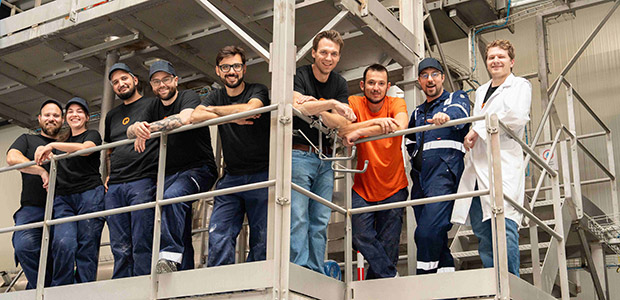
Dutch foodtech scale-up Revyve has raised nearly €24 million in Series B financing, bringing its total capital raised to more than €40 million. The investment will accelerate the company’s commercial rollout of functional yeast proteins designed to replace eggs and additives in mainstream food categories.

Sunhat announces €9.2 million in Series A funding. The round was led by CommerzVentures, with participation from existing investors Capnamic, EnBW New Ventures, xdeck, and WEPA Ventures.

Futurail has announced the closing of a seed round, bringing total funding to €7.5 million. The round was co-led by Asterion Ventures (Paris) and Leap435 (Munich), joined by EIT Urban Mobility and US investors Zero Infinity Partners and Heroic Ventures.

YASO has raised £8.25 million in a Series A investment round led by Puma Growth Partners, a leading provider of growth capital to scale-up businesses.

Seapoint has raised $3 million in pre-seed funding. The round was led by Frontline Ventures, with participation from Tapestry VC and the ex-COOs of Stripe, Revolut, Tide, and Tines. After nine months of building, the team has launched a private beta that is now being used by dozens of VC-backed startups. Startups across the UK and Europe can now sign up for the beta program at seapoint.co.

Jam 7, creator of the Agentic Marketing Platform (AMP), has closed its seed funding round led by Stephen Altman, founder of New World Private Equity Partners. The investment will accelerate Jam 7’s mission to transform how B2B tech companies innovate, compete, and grow.

For years, job hopping was hailed as the fastest route to a higher salary. But new figures suggest that advantage is vanishing, making the latest workplace trend ‘job hugging’ (staying loyal to one company) a more rewarding career move.