
Over half (52%) of CEOs believe their organisations lag in workforce diversity, with 37% of chief HR officers sharing this sentiment, according to research by The IN Group.

The Business Show is the world’s leading event for entrepreneurs, business owners and start-ups. Running for 25 years, The Business Show takes place in locations across the globe including London, Los Angeles, Miami, and Singapore, and the team behind the event have plans to continually expand to reach more countries and markets. The Business Show aims to support entrepreneurs and startups by offering them the services and products they need to run a successful business.

On 17th June, at the Drahi-X Novation Center, École Polytechnique’s hub for Entrepreneurship and Innovation, Greyn and INEN Robotics emerged as the winners of the Jean-Louis Gerondeau – Safran 2024 award. This 13th edition celebrated these startups for their pioneering solutions in construction and healthcare, each receiving a prize of €15,000.

In today’s digital age, where innovation is the norm, tech founders find themselves juggling countless responsibilities to remain ahead of the curve. The relentless pace of the industry demands rapid decision-making and an ever-evolving skillset, all of which can strain mental and physical health.

Paladin Capital Group, known for its investments in cyber and AI technologies, has introduced four new signatories to its Investment Principles and Commitments for Trust, Safety, and Security.

Today’s interconnected world relies heavily on space technologies for communication, navigation, and other services. However, these technologies face substantial risks from space weather. Alexey Shirobokov, co-founder of Mission Space, explains how startups are addressing these challenges and safeguarding against solar activity.
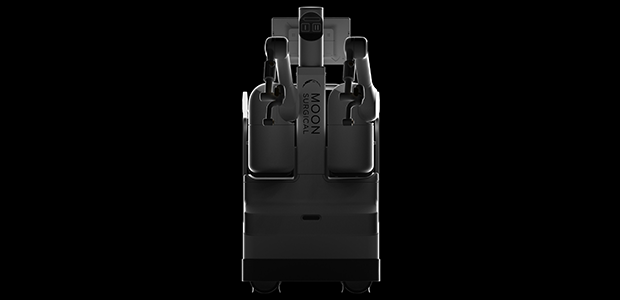
Moon Surgical, a French-American innovator in the field of surgical technology, has received FDA clearance for the commercial release of its Maestro surgical system.

Staff from the Defence and Security Accelerator (DASA) and the Defence Science and Technology Laboratory (Dstl) have been recognised with Commendation Awards from the Vice Chief of the Defence Staff (VCDS) and Chief of the General Staff (CGS).

ICEYE, a player in Synthetic Aperture Radar (SAR) satellite operations for Earth Observation, has signed a Memorandum of Cooperation with the Ministry of Defense of Ukraine to enhance their collaboration in remote Earth sensing for Ukraine’s national security and defence.

Samsara Eco, an envirotech innovator, has announced it raised AUD$100 million in its latest funding round. The round was led by global investment firm Temasek and Australian deeptech investment fund Main Sequence, with participation from new and existing investors including Wollemi Capital, lululemon, Hitachi Ventures, Titanium Ventures (formerly Telstra Ventures), and DCVC. This funding brings Samsara Eco closer to its goal of eliminating plastic waste, ensuring it never ends up in landfill or incineration.

BetaDen, a Worcestershire-based organisation dedicated to supporting innovative tech businesses, has launched its new incubator programme. This initiative, BetaDen Incubate, is in collaboration with Barclays Eagle Labs and the Worcestershire Local Enterprise Partnership.

Liverpool-based EdTech company SupplyWell has unveiled a new app aimed at transforming the supply process for educators nationwide.

A recent poll by specialist recruitment company Robert Walters revealed that 73% of professionals believe virtual meetings hinder their productivity, with over half (53%) reporting that their workday is regularly disrupted.

Sales training company Mentor Group has introduced a VR training solution designed to enhance essential sales skills for their clients.

Europe stands at the crossroads of a new era: the AI revolution. While AI has the potential to fundamentally transform our societies, it also carries risks. The fear of the unknown often dominates the discussion, but this fear must not paralyse us. Instead, we should recognise and seize the opportunities.

Madeira, an autonomous region of Portugal known for its breathtaking landscapes and rich cultural heritage, is rapidly emerging as an attractive destination for entrepreneurs and innovators from around the world, drawn to its unique blend of opportunity, community, and lifestyle.

With Labour celebrating a landslide victory in the recent General Election, many voters are hopeful that the party can now quickly get to work on delivering its manifesto promises. No community is more eager to see change than the UK’s five and a half million small businesses.

PreActiv, a prehabilitation platform, has raised over £500,000 to transform preoperative care. Aimed at reducing patient complications, shortening hospital stays, and saving healthcare providers millions, PreActiv is swiftly changing the landscape of surgical care.
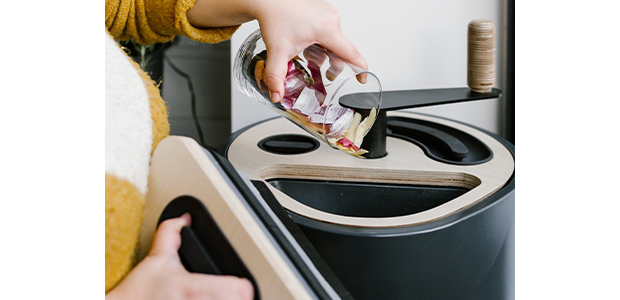
The statistics surrounding food waste are shocking. According to a study conducted by the World Wildlife Fund (WWF), 2.5 billion tonnes of food is wasted every year across the world, which equals to around 40% of all food produced for human consumption. WRAP estimates that around 70% of food waste (6.6 million tonnes) comes from households, estimating that the average global household wastes 1.5 tonnes of food each year.

“We exist to make the world a safer place,” Emma Kay, Founder of WalkSafe tells Startups Magazine.