
UK startups face a stark challenge: early-stage graduation rates, from Seed to Series A funding, have dropped dramatically from 12.5% in 2020 to just 4.5%. This trend highlights deep-set vulnerabilities in the UK’s startup ecosystem, compounded by a notable slowdown in new tech company incorporations. These shifts have serious implications for the UK’s ability to foster innovation and economic growth.

Get ready for a world where robots walk among us – and I’m not talking about your coffee-addicted co-workers on Monday mornings. As we approach 2025, the world of robotics is on the brink of a transformation that promises to reshape our daily lives and workplaces.

With registered company insolvencies the highest they have been for a decade, and 50% of new businesses failing within three years, many SMEs face financial trouble; to the point of having to fold. This usually comes down to finances. Many small business owners don’t have any accounting qualifications, may never have seen a cash flow statement before, or understand the nuances in respect of tax and VAT. Michael Steed, President of AAT (Association of Accounting Technicians), shares the ‘danger’ signs small businesses need to look out for which indicate they may be in difficulty, and what they can do if they find themselves in financial trouble.

Today, Maria 01, the startup community in the Nordics, has announced that its member startups have raised over €1 billion in funding since the hub’s founding in 2016, according to recent member data.

Midlife women are disproportionately held back from founding socially responsible businesses due to competing household and financial demands, according to new research.

In the journey toward a sustainable future, collaboration, diversity, and shared knowledge stand as powerful catalysts for change.

bp Ventures has invested $9 million into Zingbus, leading its Series A funding round. The startup, headquartered in Delhi, has built a tech solutions platform for electric bus operators and their customers travelling between cities. Zingbus’ platform provides front and back end digital infrastructure for bus operators, including pricing, fleet management and route optimisation services, together with a dedicated ticketing marketplace.

A month on and the dust is still settling from the outcome of the US Presidential Election, with Republican candidate Donald Trump emerging victorious for the second time, making him the USA’s 47th President.

Transformative freight procurement and management tool Loadar has raised a $4 million seed funding round, led by Frontline Ventures with follow-on participation from existing investor Techstart Ventures. Founder and CEO Ciaran Doherty will use the funds to grow the team headcount and expand to the US, building on the success to date in Europe.

Personalisation has become one of the most useful tools for business. It can help enhance customer service and experience and drive sales. However, with customers becoming increasingly protective of their data and businesses able to access so much of it, privacy also matters. So, how can businesses strike the balance between personalisation and privacy without crossing ethical lines?

According to new research from Dext, the bookkeeping automation platform provider, the UK’s small and medium-sized businesses (SMBs) surveyed could be losing a staggering average of £742 every month from incorrect invoicing stemming from poor tracking of rechargeable expenses. With the UK home to over 5.5 million SMBs, the figures indicate up to a £1.1 billion monthly shortfall in the economy, signalling the need for a massive overhaul of outdated expense management practices.

Fintech is a relentless force of innovation, reshaping industries and challenging the status quo. At Intergiro, we’ve built our reputation on spotting trends early, embedding finance where it’s needed most, and delivering solutions that make workflows seamless.

The New Year offers a unique opportunity for startups to recalibrate, innovate, and plan for sustainable growth. Drawing insights from my column in 2024, here’s a list of New Year’s resolutions for founders and marketers to navigate the challenging yet rewarding startup to scaleup journey.

What do you think when you read about tech giants reducing their presence in a new sector? Many see it as a judgement on the industry itself, and not in a positive way. What hope do others have if established companies can’t make it?

Otterly.AI, the AI search monitoring solution for marketing teams and brands, has announced its launch from stealth with over 1,000 users, including notable names such as Skale, Downtown Ecommerce, and Videoloft.
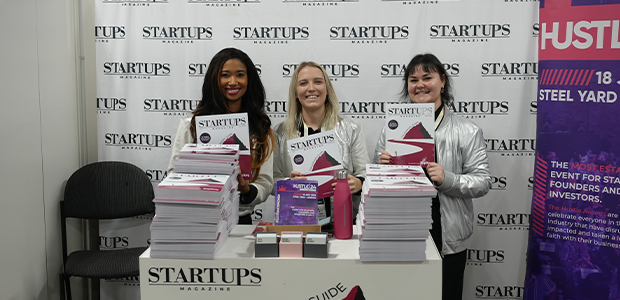
Startups Magazine is excited to announce that we will once again be exhibiting at CES in Las Vegas, on the 7th-10th of January. If you’re attending the show, come by Stand 60311 at Eureka Park to pick up a copy of our Survival Guide, and have a chat with the team!

tiun, a fintech helping media providers to attract, engage and convert younger audiences, has announced a $2.5 million pre-seed funding round led by Founderful. The funds will kick-start their efforts to become Europe’s preferred way to pay for online media.

EntreReality, a digital human startup headquartered in South Korea, has launched Twinit AI Makeup to establish its footprint in the global beauty tech market. With cutting-edge technology that combines AI and 3D vision, Twinit aims to redefine the cosmetics experience for users worldwide.

On December 3rd, organisations representing millions of people took part in Techtimeout Tuesday – the UK’s biggest digital wellbeing day.

The United Kingdom is steadily emerging as a key player in the AI space, attracting the highest AI investment in Europe and ranking third globally, surpassed only by the United States and China. This success has been bolstered by the UK government’s commitment to fostering growth in the sector, however, it now stands at a critical juncture.