
Three in 10 (30%) British Gen Z have been signed off work for mental health reasons in 2024, totalling 1.7 million young people, as the UK government unveiled plans to get young people into work earlier this week.

TG0, a company reshaping the human-machine interface landscape, has closed a £4.5 million Series B funding round led by NetmindAI with additional support from WP Health.
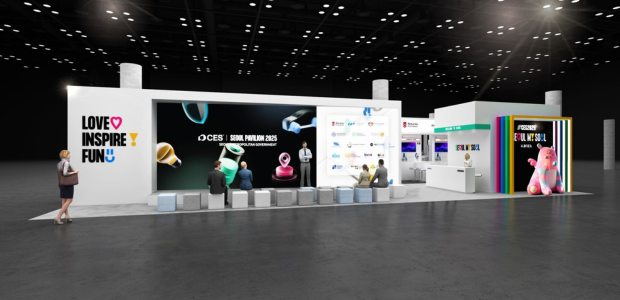
The Seoul Metropolitan Government announced on December 9 that it will operate its largest-ever exhibition space for Seoul-based startups at CES 2025, the world’s largest consumer electronics and ICT trade show. The event will run from January 7 to 10, 2025, in Las Vegas, showcasing cutting-edge technologies from emerging companies worldwide.

A new global survey titled ‘AI Workplace Report’ from Freshworks, a business software provider, reveals that nearly half (45%) of UK employees would consider swapping their current jobs for roles that better harness AI, and 35% of UK workers say they have already received a salary bump or a promotion as a result of their AI usage.
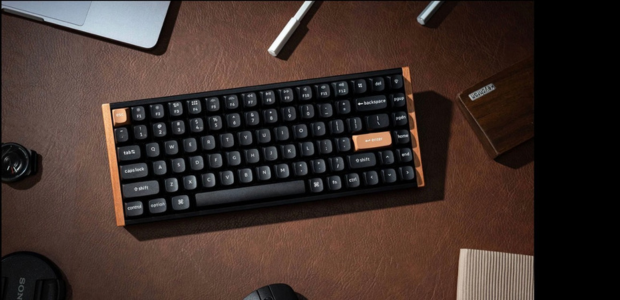
Keychron, a leading manufacturer of peripherals compatible with Mac, Windows, and Android, launched direct sales of the Keychron K2 HE Wireless Magnetic Custom Keyboard. This high-performance mechanical keyboard combines the best of traditional mechanical technology with the advanced benefits of magnetic switches in a minimalistic design accented by natural rosewood. Following a successful Kickstarter campaign that raised over $1M USD, the K2 HE is now available for direct purchase on Keychron’s website, starting at $130 USD.

Over 3 million cases of fraud are reported in the UK every year, shockingly it accounts for nearly 40% of all reported crime. To tackle this, financial institutions are turning to AI but AI requires large amounts of data and access to that data is a challenge.
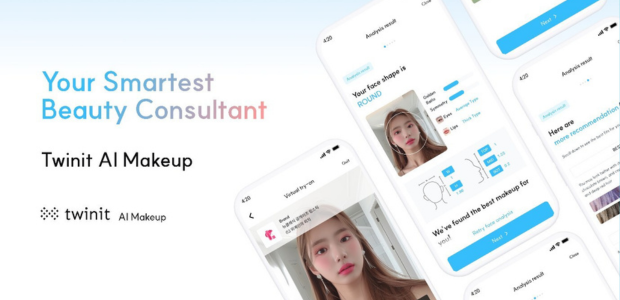
EntreReality, a digital human startup headquartered in South Korea, has launched Twinit AI Makeup to establish its footprint in the global beauty tech market. With cutting-edge technology that combines AI and 3D vision, Twinit aims to redefine the cosmetics experience for users worldwide.

On December 3rd, organisations representing millions of people took part in Techtimeout Tuesday – the UK’s biggest digital wellbeing day.

The United Kingdom is steadily emerging as a key player in the AI space, attracting the highest AI investment in Europe and ranking third globally, surpassed only by the United States and China. This success has been bolstered by the UK government’s commitment to fostering growth in the sector, however, it now stands at a critical juncture.

Raising your first round of funding is often painted as a rite of passage for a startup, the shiny trophy that signals you’re on your way to unicorn status. But here’s the truth that gets glossed over in all the LinkedIn celebration posts: not everyone raises when (or even if) they think they will.
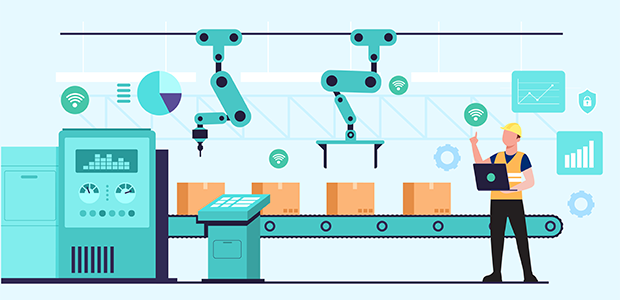
As we now know a second Trump presidency looms on the horizon, the American manufacturing sector finds itself at a critical juncture. The policies and priorities of a potential Trump administration could significantly reshape the landscape of US manufacturing, with far-reaching implications for the industry’s competitiveness, workforce, and global positioning.

As we enter 2025, startups face an environment marked by fast-paced technological advances, competitive pressures, and a heightened need for strategic agility. In this context, leaders must re-evaluate how they plan and execute strategy to stay relevant and resilient.

AgrofoodBIC S.r.l. (Business Innovation Centre), a multi-company open innovation hub active nationally and internationally since 2019, partners with Eatable Adventures to identify and accelerate global startups that address the evolving needs of the Italian foodtech sector. This collaboration aims to foster innovation and build bridges between established companies and emerging ventures.

System7, a new AI consultancy co-founded by Nicolas Baxter designed to transform marketing and sales teams, has launched as the first co-founded company from cocreatd, the venture studio founded by Oliver Yonchev.

SatVu, a pioneer in climate technology, has secured a €1 million project to reduce its time-to-market and scale up its operations by partnering up with one of the world’s foremost independent energy and commodities trading companies.

KHP Ventures has launched the Innovations in Mental Health (IMH) Fund, which is dedicated to accelerating technologies with the potential to transform mental health outcomes. Portfolio companies will be supported through a first-of-its-kind delivery partnership with the UK’s largest mental health provider, the South London, and Maudsley NHS Foundation Trust (SLaM).

Technological advancement is having a profound impact on society and our lifestyles, at home, or on the go. It is influencing how we conduct our work, speak to one another, and absorb information.

Malmö is a city filled with innovation. It is home to almost 40,000 businesses, has a large proportion of international talent, and is Sweden’s youngest and fastest growing city. The city of Malmö fosters innovative companies, and plans on creating a ‘Startup District’ particularly for this reason.

As the year draws to a close, it’s the perfect time to reflect on some of the standout moments from The Cereal Entrepreneur podcast. This year we have had the pleasure of talking to a wide array of figures in the startup ecosystem, from founders of early-stage startups, to angel investors and venture capitalists, to all of the winners of the 2024 Hustle Awards.

Algorithmiq, a team pioneering the integration of quantum computing, artificial intelligence (AI), and super-computing to solve complex problems in the Healthcare and Life Sciences, and QuEra Computing, the company in neutral-atom quantum computing, has announced that Algorithmiq has joined the QuEra Quantum Alliance Partner Program.