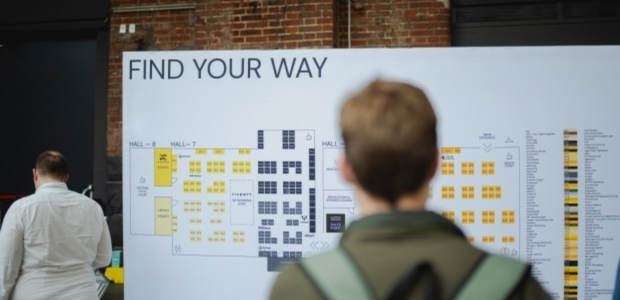
The wait is almost over – E-commerce Berlin Expo 2025 is right around the corner. For the first time ever, the Expo spans two full days, 19th and 20th of February, offering more opportunities to connect, learn, and explore. With free entry and a packed agenda, it’s the ultimate event for anyone in e-commerce. Want to make the most of it? Follow this guide to prepare like a pro – from now until after the Expo.

‘Beyond the Balance Sheet’, a new report from private and commercial bank, Arbuthnot Latham, reveals that over 40% of UK entrepreneurs exit to prioritise wellbeing and family. Current market conditions also play a large role, with 65% selling up sooner than they had wanted due to the fear of tax rises. One in five entrepreneurs said they received offers they “couldn’t refuse”, often resulting in hasty decisions and heightened uncertainty.
Leaders from across the region will meet to discuss the advancements in lab technology and the overarching industry, which has seen numerous developments over the past couple of years. With the conference setting its eyes on the evolution of the lab it will address 9 important and varying themes that encompass the breadth of this ever-growing field in Basel, May 27-28.
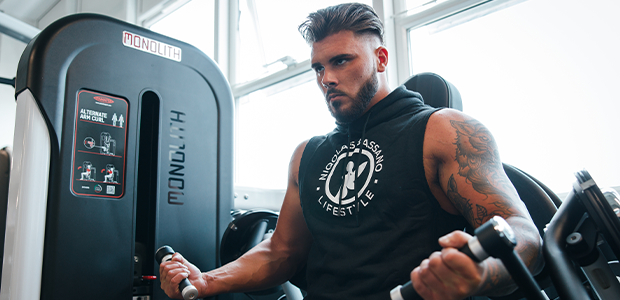
Niqolas Bassano, the fitness apparel technology startup, has launched its Angel Investment Round, which went live on 20th January 2025, offering investors the opportunity to join a brand that is redefining activewear through innovation, sustainability, and smart textiles.
London Lab Live 2025 is set to debut on 14–15 May 2025 at ExCeL London, bringing together professionals from across the lab sector to inspire collaboration and innovation. Representing industries such as chemical and material science, FMCG, food and beverage, agriculture, pharma, biotech, medical, real estate, academia, and beyond, the event promises to be the UK’s most dynamic gathering for the lab community.

Steven Bartlett, star of BBC’s Dragon’s Den, and host of Diary of a CEO podcast, has stepped down as a Director of Huel, the meal-replacement drink brand.

After weeks of rising excitement across the international AI community, Ai Everything GLOBAL is officially underway in the UAE after a thrilling opening day kicked off the year’s largest public-private global AI gathering.

TAU Systems, the producer of ultrafast, compact laser-plasma accelerators, has announced its participation in a DARPA-funded initiative to develop new radiation testing capabilities for space-bound electronics. This programme, a part of DARPA’s Advanced Sources for Single Event Effect Radiation Testing (ASSERT) initiative, seeks to enhance the resilience of electronics deployed in space environments where exposure to cosmic radiation poses significant risks to performance and longevity.

Forget the fancy logos, the killer website, and the perfect pitch deck. While those are all important, the most crucial element for any startup, particularly in today’s cutthroat environment, is something far less tangible: your reputation.

On 30 January, the final of the Polish startup accelerator Axios took place in Berlin. Twenty-one entrepreneurial teams presented their projects to the jury – ranging from AI platforms for pet care to apps for people with insulin resistance. Participants tested their ideas, received valuable market expert recommendations, and explored new growth opportunities. The programme was supported by key IT industry players, including SOFTSWISS international tech company.

Startups often begin with one person, one vision, and an overwhelming workload. The instinct? Try to do everything yourself. But let’s be clear: one person isn’t a business – it’s a job. One of the biggest mistakes founders make is cutting corners on talent, thinking they’re saving money, when in reality, they’re holding back growth, efficiency, and credibility.
The latest research from The Global Payroll Association (GPA) reveals that a third of UK workers could jump ship from their current employer in 2025, with widespread dissatisfaction around factors such as pay and job security the key reasons for looking to greener pastures.

With World Cancer Day taking place on Tuesday 4 February 2025, Towergate Employee Benefits is alerting global employers to the different and evolving approaches to cancer care around the world and advising employers that they must adapt support.

When money is cheap, we want AI to be more human, or even more than human. Capitalists may even secretly dream of replacing their meddlesome employees with bots while claiming otherwise.

Fimple, a provider of flexible, cloud-native core banking software, has raised $12 million in its Series A funding round. The investment, led by DN Capital and Smartfin, saw continued participation from existing investors, including Albaraka Portfolio and Tera Portfolio.

In the rapidly evolving landscape of sustainability, startups face unique challenges and opportunities. The UK government has intensified efforts to decarbonise the nation’s electricity system through substantial investments in low-carbon infrastructure. Here we discuss the opportunity for startups to gain access to this investment.

Sidekick, the wealth management platform for the financially ambitious, has launched Custom Index portfolios explicitly designed to help Big Tech employees invest more strategically.
Growth is every new business’s dream. Expanding market share, increasing customer numbers, boosting revenue, and driving profit are ambitions that drive entrepreneurs. But in the quest to achieve these milestones, many businesses focus heavily on acquiring customers – any customers – because it feels rewarding and tangible.
Cloudhouse, a company in application compatibility and cloud enablement, has reported a sharp increase in enquiries from large organisations seeking guidance on Microsoft Teams and legacy technology upgrades.

As the founder of Megi Wellness, my journey into the hair loss industry has been both personal and professional. Hair loss affects millions worldwide, yet many existing solutions overlook key factors such as ageing, hormonal changes, and overall scalp health.