

The money mistakes that could sink your new business

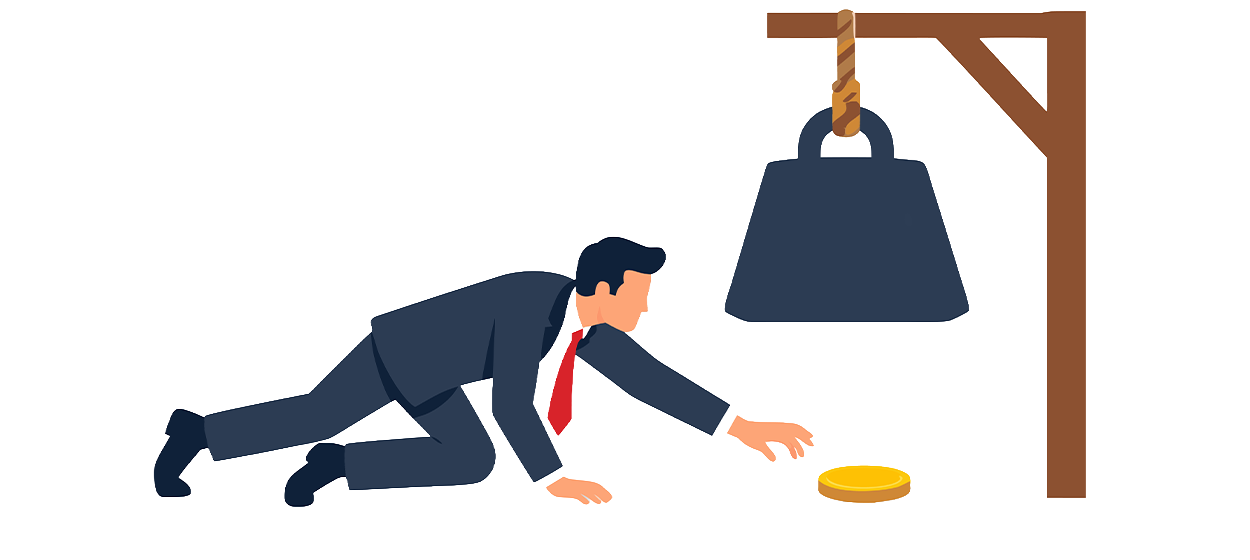
Q4 is about to begin, and many budding entrepreneurs may be thinking about starting a business to take advantage of heightened consumer spending in the run-up to Black Friday and Christmas.
However, according to a business finance expert, a few money mistakes in the early stages could leave new companies struggling before they’ve even had a chance to get off the ground.
Here are the financial mistakes new business owners should watch out for.
Underestimating how much it costs to run a business
“New business owners can be so tunnel-visioned on getting started that they don’t think about what their money situation will look like a few months down the line.
“It’s easy to focus on the obvious costs, but the smaller expenses are typically the ones that cause the most problems. Software subscriptions, accountancy fees, the monthly cost of keeping your website running, and other ongoing expenses can eat into your budget without you even realising it.
“It’s also important to consider the costs that aren’t there every month, like annual insurance payments or unexpected repairs. These can put a lot of pressure on a business if you don’t have an emergency fund to fall back on.
“Before you start spending, I’d make a list of both your regular and one-off costs. That way, you’ll have a much clearer idea of what you actually need to budget for.”
Spending too much before the money starts coming in
“It can be tempting to buy everything you think you need from day one, but not every expense needs to happen right away.
“New business owners need to ask themselves whether a purchase will really help the business make money or work more effectively or whether it is something that can wait.
“Just because you have the money in your business account doesn’t mean you need to spend it straight away.
“Start with what you actually need and don’t feel like you have to spend money just because you think a new business is supposed to have certain things.
“Focus on getting the basics in place first, and you can always spend more once the business starts bringing in a more regular income.”
Cutting corners on things the business genuinely needs
“The mistake we see most often is people trying to cut corners and save money on things that are actually important to the business.
“Looking at ways to reduce costs is a sensible way to ensure your business remains profitable. However, there’s a big difference between being economical and avoiding necessary spending altogether.
“It may seem wise to choose the cheapest piece of equipment, and it might even save you money initially, but if it breaks down or needs replacing soon after it’s been purchased, you could end up double-spending, costing you even more.
“Investing a bit more in the early stages, on the other hand, could save you money in the long run, particularly if it means you’re getting something that’s built to last.
“It’s crucial to think about the value you’re getting rather than just choosing the most ‘cost-effective’ option. Sometimes, the cheapest option can end up costing you twice.”
Treating all the money coming in as money you can spend
“Just because money is coming into the business doesn’t mean it’s all available to spend. You need to think about what bills and costs you’ll have to cover further down the line.
“Tax is an obvious cost that can catch people out, whether that’s income tax, corporation tax, VAT or PAYE. If you’re using all your income to cover day-to-day expenses, you could find yourself in trouble when a tax bill arrives.

“You also need to be prepared for dips in sales, as things won’t always be as steady when you’re starting out. Having some money put aside can give you more breathing room.
“Unexpected costs are another reason not to run the business with nothing left in the bank. Equipment can break, customers can pay late and costs can change.
“Having some money put aside doesn’t mean you’re expecting the worst. It just gives you something to fall back on if things don’t go to plan.”
Being too afraid to invest when the opportunity arises
“Starting small is fine, but being too afraid to spend money when there’s a good reason for it could end up holding your business back.
“For instance, you might have more customers than you can currently manage, but not enough equipment or staff to keep up with demand. In this situation, investing could help you take on more work and bring in more revenue.
“Equally, if you’re regularly turning customers away because you don’t have the capacity to serve them, it’s probably time to look at what investment could do for the business.
“There’s no magic number for when you should invest more. It’s about looking at what the money will help you achieve and whether that’s likely to outweigh the cost.
“If spending £1,000 could help you bring in significantly more revenue, it could be worth investing rather than focusing solely on the upfront cost.”
For more startup news, check out the other articles on the website, and subscribe to the magazine for free. Listen to The Cereal Entrepreneur podcast for more interviews with entrepreneurs and big-hitters in the startup ecosystem.
