

The best founders don’t just spot problems, they’ve lived them
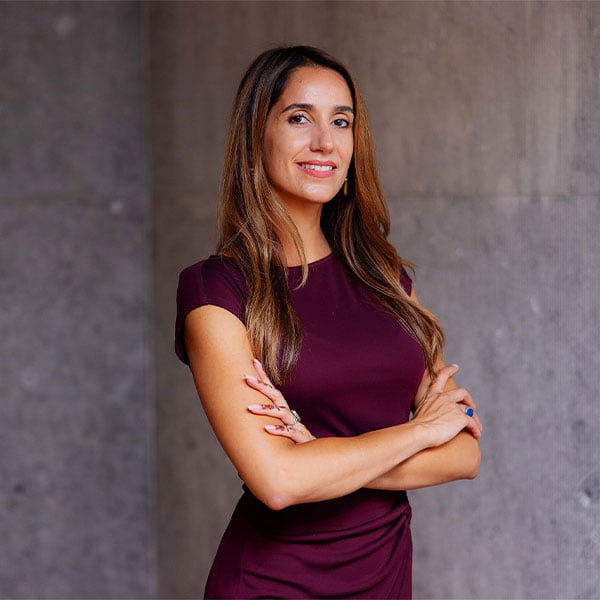

The standard founders’ playbook goes something like this: identify an underserved gap in the market, and build a company that neatly plugs it. But some of the best founders I know haven’t used any market research company to find that gap – instead, their knowledge comes from living it. Far from just a way into building a business, I believe that personal knowledge can actually be a real competitive advantage for any entrepreneur.
My story
My eczema developed in my early twenties, and by the age of 27, it covered my entire body. This meant years of chronic pain. Hourly sleep disruption and recurring bacterial infections were just a couple of the unpleasant symptoms. Ironically, I was working in pharma at the time: I had firsthand experience of the industry that was supposed to cure people like me. But, sadly, I was still struggling. Doctors offered steroids as a solution (including steroid creams I’d actually helped develop myself in pharma!) – but these didn’t address the root cause. My eczema continued.
In response, I turned inward, literally, and began researching the gut. Deciding to take matters into my own hands, I developed a protocol to change my gut microbiome through adjusting my diet. To the surprise of my doctors, my symptoms cleared – and as of this moment, I’ve had no symptoms whatsoever in the past 2 years. In helping myself, I’d inadvertently become an expert in the gut.
Taking the personal, public
And with that knowledge, that gut health in adulthood could reverse chronic illness, then came a question. What could correcting gut health do in childhood, before conditions ever took hold? I began my research into the problem, calling more than 200 scientists, and came to realise the sheer scale of it. 40% of children in the UK are now diagnosed with allergies, a figure that has tripled in 30 years. 90% of US infants lack critical gut bacteria linked to immune development. Gut issues affect over 50% of healthy infants all over the world.
Knowing the scale of the problem and doing nothing felt impossible. I had the expertise. It was time to use it.
Lived experience as a genuine competitive advantage
Not only was my personal health history now my reason – it was also a key advantage. It helped me stand apart. Lived experience creates a kind of authority that no amount of desk research can replicate, and the best investors recognise that immediately. I’ve known firsthand how investors see personal involvement with the business as a major reason to believe in you – conviction, they know, isn’t something you can fake.
It shaped how I built Alba, too. Having been through a healthcare system that treated symptoms rather than causes, I was determined to build something different. I wanted to get upstream of the problem, instead of chasing it. That decision came from years of frustration and, eventually, from fixing myself.
It’s also kept me focused. Founders who haven’t lived the problem can, over time, lose sight of the person they’re building for. I never have that risk. I know what it feels like to be failed by the existing solutions. That keeps every product decision grounded in the real, as opposed to the abstract.
And when things get hard, as any founder will tell you they do, lived experience is what keeps you going. In the first year, I pitched to 250 investors and went 13 months without a salary or external funding. There were moments when stopping would have been the rational choice. But this was never just a business opportunity to me. That distinction, ultimately, is everything.

Lived experience isn’t enough on its own
But, of course, I couldn’t only rely on lived experience. Though it’s a vital part of the story, it is, after all, only my story. Personal narratives are powerful, and you can learn a lot from them, but when working to tackle the health issues of thousands, you need more. My solution was to pair the lived experience with world-class scientific rigour – partnering with Professor Willem M. de Vos, with over 900 publications and involvement in some of the world’s largest studies of children’s gut microbiomes. That combination of why it matters (lived experience) and how to solve it properly (scientific expertise) meant we built something that’s both credible, and durable.
What this means for founders
I’m not saying every founder needs to have suffered to build well. But my challenge to readers: when you’re stress-testing your idea, ask yourself, do you understand this problem from the inside, or just from a spreadsheet? If it’s the latter, find someone who does.
The best businesses aren’t built on insight alone. They’re built on the kind of understanding that no amount of market research can manufacture.
For more startup news, check out the other articles on the website, and subscribe to the magazine for free. Listen to The Cereal Entrepreneur podcast for more interviews with entrepreneurs and big-hitters in the startup ecosystem.
