

The rise of accidental greenwashing: what startup founders need to know

Last week I rewrote our website copy three times. Not because our product had changed. Because the copy I’d used the week before wasn’t landing the way I wanted it to.
I’m a co-founder and CEO of a startup. I move fast, I pivot faster, and I am very aware of the current economic climate that surrounds us. This understanding and agility is also my superpower as a co-founder, until the moment what I communicate into the world starts outrunning the reality of what I’ve actually built.
Nobody warns you about that gap when you’re in the thick of it. You’re optimistic, you’re moving at speed, your team is lean and juggling four jobs because that’s just the way it is right now. Somewhere between the pitch deck and the website copy, your ambitions start sounding like future achievements rather than the here and now.
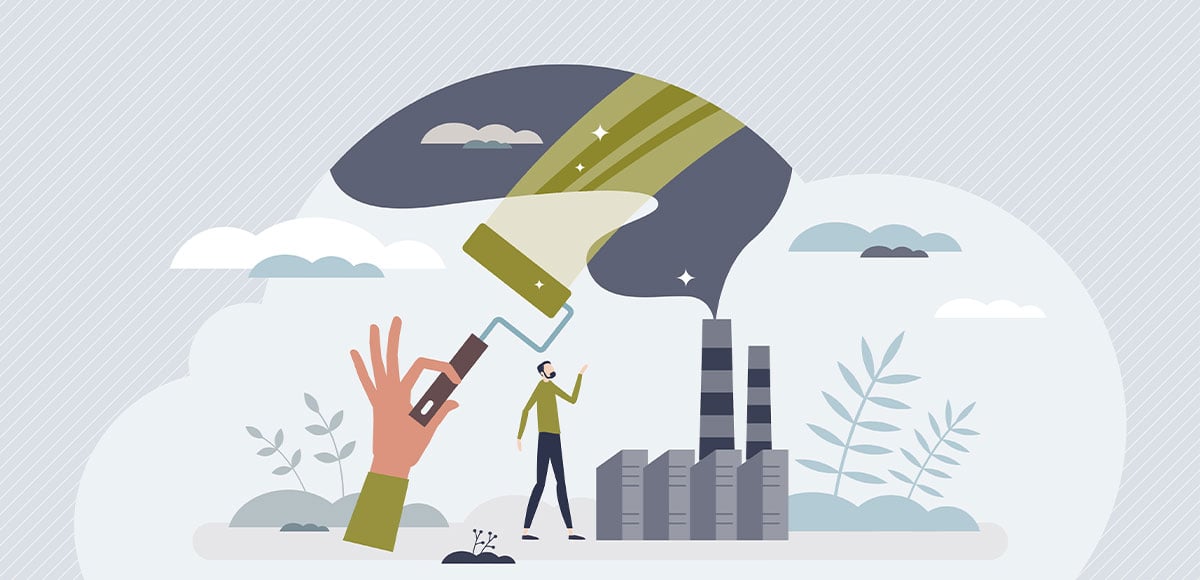
That right there, is how accidental greenwashing starts. Not with cynicism. Not with intent. But with momentum and ambition. Big dreams with no strategy to back it up. Or a lean team already juggling, handed yet another job role to undertake.
It didn’t used to matter. But it does now more than ever because the rules just changed. The UK’s Competition and Markets Authority can fine businesses up to 10% of global turnover for misleading green claims. The EU is banning generic environmental claims from September 2026 unless independently verified. This isn’t soft reputational risk anymore – it’s a legal and financial one.
For a large corporation, reputational damage is survivable. For a startup, it can be terminal. Investors back credibility. Customers buy authenticity. Your first hires join because they believe your mission is real and it aligns with their own values. Lose that trust early and you’re not just managing bad press – you’re rebuilding from the ground up, with far fewer resources to do it.
I spent years working across the fashion, advertising and creative industries – sectors where the gap between image and reality is practically a business model. What eventually pushed me towards founding Do Epic Good was watching that same gap open up in sustainability. Successful businesses operating at scale, with no one showing them how to communicate responsibly. The story being told externally didn’t match what was happening behind the curtains of the campaigns I used to shoot. Consumer pressure to appear sustainable had started to outpace the (uninspiring) education platforms driving the change. Brands were in flux and didn’t know where or how to start.
Sound familiar?
Here’s the thing most people miss though: startups actually have a structural advantage here that larger businesses would pay serious money for.
Corporations are fighting legacy systems, entrenched culture and twenty layers of sign-off to embed anything resembling responsible leadership. You don’t have that problem (yet!). You can build transparency and accountability from the ground up – into procurement, operations, hiring, decision-making – not just into the marketing deck. That’s not a small thing. That’s everything.
The startups that stand out over the next decade won’t be the ones making the loudest claims. They’ll be the ones building quiet credibility – embedding responsible leadership into the veins of their company, communicating progress honestly and transparently, and not waiting until Series B to figure out what they actually stand for.
In practice, it starts with your own values. Go through your website, your pitch deck, your LinkedIn. Every sustainability claim you make – can you evidence it right now, today? Are you taking your consumer on your journey with you? If the answer is no, that’s not failure, that’s information. Change your approach. “We’re building towards this” isn’t weakness – in a world drowning in overclaiming, honest progress is a genuine differentiator.

The second thing is alignment. In a lean team it sounds obvious – but when your head of marketing is also your head of sales and your co-founder is the tea person mixed with a dash of CFO, this is exactly the kind of conversation that falls through the cracks at 11pm on a Wednesday. Build the check-in. Make it a habit, not an afterthought.
I didn’t come to this from the startup world. I came from the creative industry – where I watched story, image and language shape how millions of people think, feel, and (over!)consume. That taught me something I haven’t been able to unsee. Marketing is one of the most powerful forces in business, and with it comes a responsibility most people never stop to examine. Greenwashing isn’t just a compliance problem – it’s a storytelling one. And whether you’re directing a campaign or pitching investors, every founder is in the business of storytelling. The question isn’t whether you have that power. It’s whether you’re using it honestly.
Responsible leadership isn’t about getting everything right from day one. The founders who earn the most trust are rarely the ones making the boldest claims. They’re the ones being honest about where they are, clear about where they’re going, and consistent about the gap in between.
Accidental greenwashing rarely starts with bad intentions. It starts when the ambition to look sustainable moves faster than the reality underneath it. The startups that build lasting trust will be the ones willing to close that gap – not just talk about it.
For more startup news, check out the other articles on the website, and subscribe to the magazine for free. Listen to The Cereal Entrepreneur podcast for more interviews with entrepreneurs and big-hitters in the startup ecosystem.
