Funding

UK startups need more support in understanding an increasingly complex early-stage funding process. A new survey from Angel Investment Network (AIN), an online angel investment platform, reveals that less than half of respondents (44%) said they had a good understanding of the fundraising process when dealing with investors. Less than one in seven (15%) described this as very good.

Inicio AI, a fintech startup based in the West Midlands has been awarded £1.25 million as part of the One To Win pitch competition at Birmingham Tech Week’s Tech Awards. One to Win is spearheaded by TechWM, set up to promote tech in the region, with support from sponsors Rigby Group plc, SCC, Haatch, and the West Midlands Co-Investment Fund (delivered through Midven, part of Future Planet Capital). It is the largest single prize for any pitch competition in the UK.

Resurge Growth Partners has announced the launch of a new “venture equity” vehicle designed to bridge the critical gap between venture capital and private equity for high-potential scaleups. Resurge will aim to invest over €120 million via the vehicle over the next three years, with nearly half of the capital already committed from the founding GPs and a leading family office.

Birmingham-based venture capital firm Midven, in partnership with The 51% Club, has announced a new initiative that’s set to nurture the next wave of high-growth female-led startups. The Fortuna Fellowship is a first-of-its-kind accelerator and will see up to five female-led ventures potentially secure a share of £2 million investment.

Dryad Networks, a startup working in ultra-early wildfire detection technology, has announced a major financial boost to advance its wildfire prevention solutions. The company has been awarded a €3.8 million grant from the European Regional Development Fund (ERDF), via Investitionsbank des Landes Brandenburg (ILB), to accelerate the development of its revolutionary wildfire suppression project, codenamed “Florian.”

adCAPTCHA, a newly launched security verification platform, has secured £1 million in funding to combat the growing challenge of automated bots and cyber fraud.

Genie AI, an AI legal editor, has raised £13.3 million in Series A funding, led by GV (Google Ventures), and joined by Khosla Ventures (early investors in OpenAI), taking its total raised to over £15 million. Previous to this round, Genie AI received one of the UK Government’s largest grants for a startup, and seed funding led by Connect Ventures.
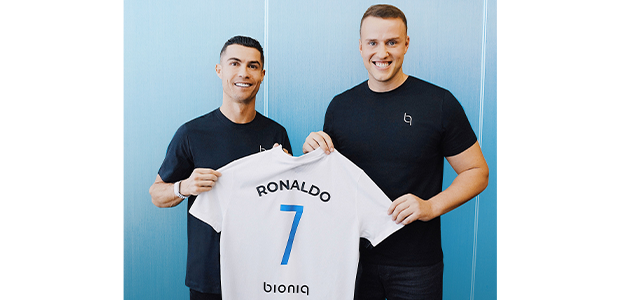
Cristiano Ronaldo, the global football legend, has made a significant investment in Bioniq, a startup known for its personalised nutritional solutions based on blood biomarker data. Founded in 2019, Bioniq has now reached a total valuation of $82 million.

Zip, the AI-driven procurement orchestration platform, has secured $190 million in Series D funding, with BOND leading the round. This substantial investment ranks among the largest in the enterprise SaaS space this year, boosting Zip’s valuation to $2.2 billion, up from $1.5 billion in 2023. New investors DST Global, Adams Street, and Alkeon joined the round, alongside returning backers Y Combinator and CRV.

Authologic, a global digital identity verification platform, has raised $8.2 million in its Series A funding round, led by European VC firm OpenOcean. YCombinator, Peak Capital, and SMOK VC also contributed, backing Authologic’s mission to modernise KYC and AML processes with secure e-ID solutions. Traditional KYC systems that rely on document images are becoming outdated, as AI-generated fake documents make these methods increasingly vulnerable to fraud, identity theft, and compliance issues. Authologic’s platform offers a more secure approach, addressing the flaws in legacy verification systems.
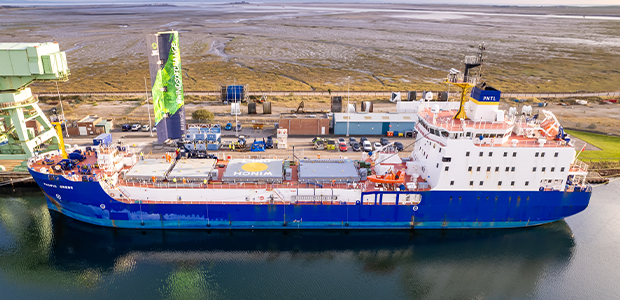
Drax Group has partnered with Smart Green Shipping to advance the use of wind-assisted technology in decarbonising the shipping sector. The project centres on Smart Green Shipping’s ‘FastRig’ wingsail, which aims to cut fuel consumption and emissions by up to 30% annually.

Munich energy startup, PIONIERKRAFT, has secured a significant investment in its Series A funding round, amounting to a high seven-figure sum. The round was led by First Imagine!, a European venture capital firm committed to sustainable innovation.

Oriole Networks, the company pioneering the use of light to power Large Language Model (LLM) training with significantly reduced energy consumption, has secured an additional $22 million in funding from leading investors. The round, led by Plural, saw reinvestments from existing backers including UCL Technology Fund, XTX Ventures, Clean Growth Fund, and Dorilton Ventures.

Blecon has announced a $4.6M seed funding round, advancing its mission to unlock the full potential of Bluetooth Low Energy for IoT Connectivity.

dottxt, an emerging platform designed to enhance interactions with large language models (LLMs), has successfully raised $11.9 million across its Pre-Seed and Seed funding rounds, all within just over seven months.

autone, the AI-powered platform helping retailers transform their business through optimal inventory management, has raised a $17 million Series A funding round led by General Catalyst.

eBay has announced the global expansion of its Circular Fashion Fund (CFF), aimed at helping fashion startups scale circular solutions across the entire lifecycle – from production to disposal, including rental and repair services. Applications for the fund are now open and will close on 15th November 2024. Eligible startups and small businesses can apply via eBay’s website.

Zerve, a platform designed for data science and AI development, announced a seed round of $7.6 million, led by Paladin Capital Group. Other backers included existing investor Elkstone and notable angel investors like Rob Hickey, former Executive Vice President of Engineering at DataRobot.
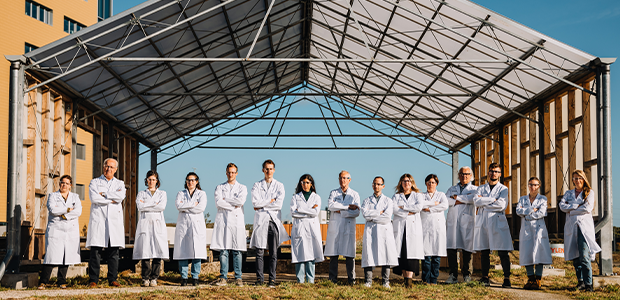
Belgian biotech startup AmphiStar, known for its sustainable surfactant innovations, has been awarded a €2 million non-dilutive grant from SPRIN-D, the Federal Agency for Disruptive Innovation. This brings the company’s total funding for the year to €10 million.

Where You At (WYA), a female-founded app that enhances nightlife safety using indoor mapping and offline mesh technology to help users stay connected in crowded venues, has raised significant funding which has helped it make a huge impact in a short space of time.