Features
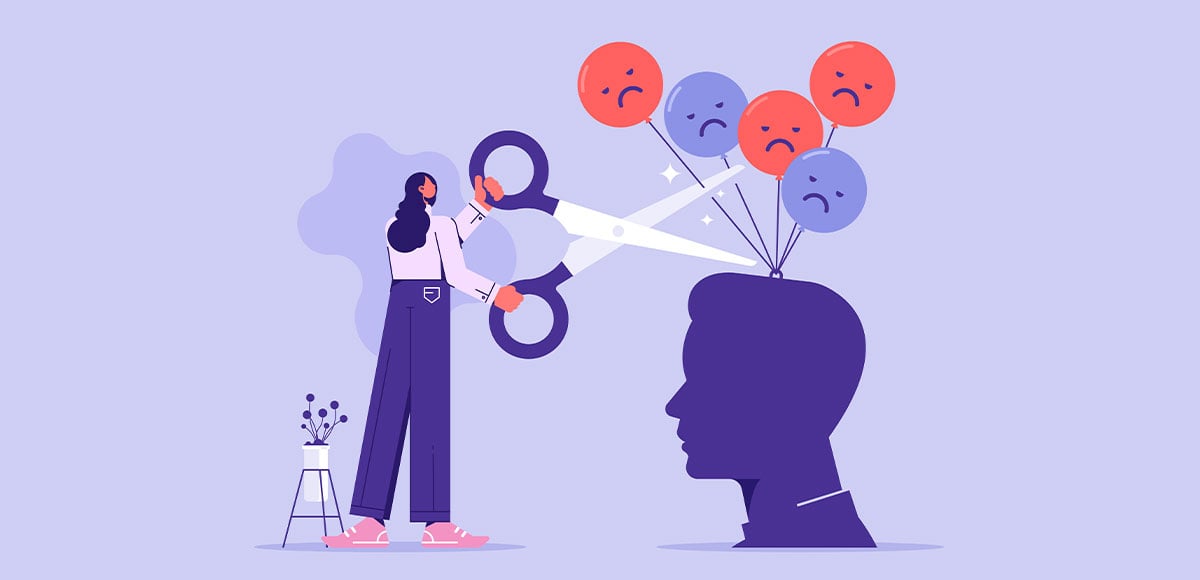
Emma didn’t expect success to feel this lonely. Her startup was growing fast. From the…

SXSW Pitch wrapped up in Austin on March 14th. Forty-five startups – chosen from more…

Many startups mistake motion for strength. Revenue is rising, customer numbers are climbing and the…

The pitch deck is step five. Most founders treat it like step one. A founder…
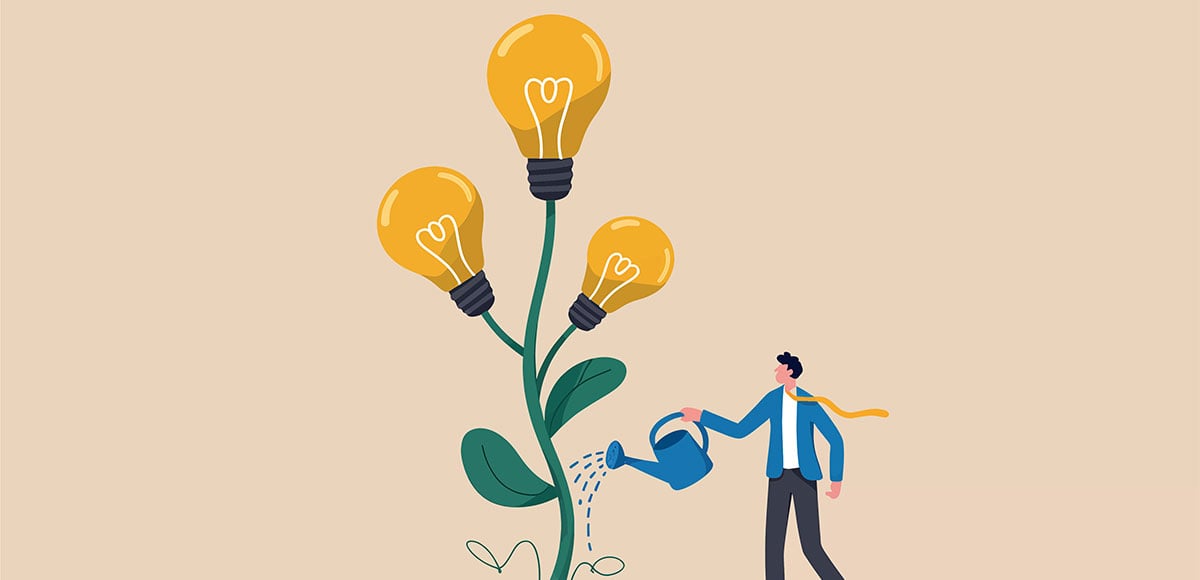
Every industry has its version of the lone genius. The founder working late in an…

Thanks in part to AI, many of the UK’s SMEs are entering a period of…

The founding story is told many times, and at Startups Magazine, we cover many founding…

The industry has a problem, and we all know it. We see countless LinkedIn posts,…

As of the 6th April, the Employment Rights Act 2025 has been implemented, marking the…

Running a business brings responsibility that extends beyond day-to-day operations. Personal circumstances can shift quickly,…

My husband and I have worked together for eight years and have been married for…

Mark Zuckerberg is reportedly building a personal AI agent to shoulder some of his executive…

For many businesses, new technologies are treated as, well, just that. Technology – something for…

In the field of leadership, we often talk about effective leadership, good leadership, or great…

Around 75% of startups fail. Globally, entrepreneurs spend trillions every year on products that never…

Throughout the last six months, I’ve been sharing different ways founders, like yourselves, can build…

Europe is edging toward a unified employee stock option framework. It’s about time. In January,…
Every January, my LinkedIn feed fills with the same energy. ‘We’ve just launched X business’…

Entrepreneurship can be a catalyst for solving the UK’s economic growth problem, if these entrepreneurs…

Much has been said recently about reducing dependency on established tech giants, whether US or…