

How UK startups can grow in the US without losing their UK identity

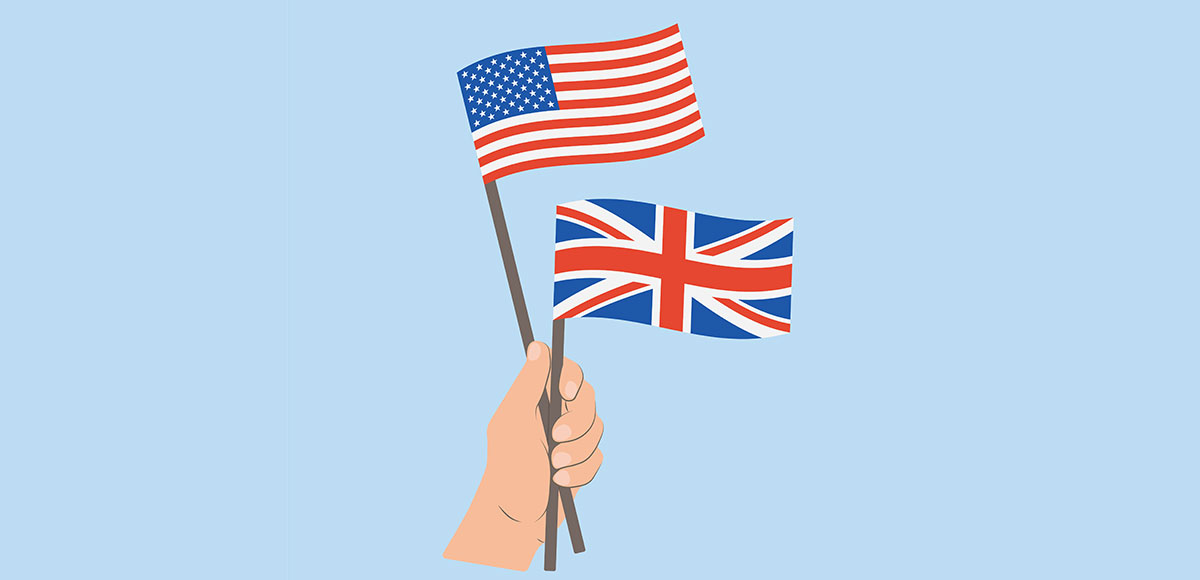

The UK is now regarded as a global leader in innovation, offering one of the most dynamic startup ecosystems in the world. Valued at over $1.2 trillion, it leads Europe in tech investment, powered by world-class universities, cutting-edge research and a culture that nurtures bold ideas.
Early-stage capital is plentiful, with seed rounds making up 32% of VC deals and typical raises of £1–3 million, supported by generous SEIS and EIS schemes. Yet, the contrast with the US is stark: with median seed rounds hovering around $3 million and valuations nearly double those in the UK. The US opportunity is undeniable, but so is the question: can you capture US-scale without losing the DNA that made you successful in the UK?
What gets lost in translation
Two countries separated by a common language
Expanding from the UK to the US is more than a geographic move; it’s a shift in mindset, pace, and expectations. Where a British founder might conservatively say “We’re fairly pleased with our growth,” an American counterpart might say “Our growth has been phenomenal!” to the same numbers. This isn’t just style; it affects how your message is received. US investors may misinterpret this reserved approach as lack of enthusiasm or confidence.
Sustainable scaling vs blitzscaling
UK startups entering the US frequently encounter pressure to “go bigger, faster.” A UK founder used to raising £3 million and doubling revenue might get challenged why they aren’t raising $30 million to grow ten-fold. Growth targets and exit timelines are accelerated. In Q1 2025, US startups raised $85.5 billion (versus $4.9 billion in the UK), reflecting how much more fuel is on the fire.
US VCs expect a clear path to a major exit (IPO or large acquisition) usually within 5-7 years, whereas UK investors might be content with a solid mid-size exit or longer horizon. Success often comes from balancing UK efficiency with US ambition, while staying open to investor guidance to retain for future funding.
Talent – new game, new rules
Hiring in the US is a different ballgame – fast, fierce, and expensive. Salaries can run 50% to 100% higher than in the UK, and candidates expect more: bigger equity packages, comprehensive health benefits and perks like 401(k) matches. Negotiations are upfront and assertive and retention is a challenge.
For UK startups, success means adapting – fast. That could mean revisiting compensation strategies, speeding up hiring processes, and bringing in US-savvy recruiters or HR leaders. Done right, the payoff is huge: a seasoned US VP of Sales can supercharge growth, while blending UK frugality with US scale experience creates a culture that wins on both sides of the Atlantic.
A balancing act worth mastering
Dual Leadership for Local Agility: Many UK firms send a founder or senior exec to the US while keeping R&D in the UK. Mimecast did this in 2011 when CEO Peter Bauer moved to Boston, enabling rapid US growth while London maintained product excellence. This model ensures quick local decision-making without losing strategic oversight. It also signals commitment to US stakeholders, which is critical for credibility with investors and customers.
If founders can’t relocate, appoint a US-based GM with autonomy to act fast. Experienced US executives bring networks and cultural fluency that accelerate traction. However, ensure strong communication and shared KPIs to avoid misalignment.
Structure for success: A Delaware Flip is often essential for early stage startups raising US VC funds. Done right, it preserves UK tax benefits like SEIS/EIS and signals commitment without losing control. Engage credible legal and tax advisors early to avoid costly mistakes. Balanced board representation post-flip ensures strategic alignment.

Recalibrate, don’t reinvent: Keep your core value proposition but localize for US norms. Wise entered the US by tweaking compliance and UX (User Experience) while retaining its low-cost transfer mission. Pilot in one state or region before scaling nationwide. Localize marketing campaigns while maintaining a single global product codebase. This avoids fragmentation and leverages your UK strengths as a differentiator.
Mind the knowledge gap
Scaling isn’t merely an on/off switch where one day you’re UK-only, next day you’re in the US. It’s a journey. Use bridges like dual leadership, gradual market entry, pilot customers and cultural exchange to traverse the gap. This staged approach lets you learn and adjust continuously, reducing the risk of “losing yourself” in one big jump.
There’s more support than ever for UK companies internationalising. From legal, tax experts, and venture firms that operate on both sides, to mentorship networks and government initiatives, you can get guidance to avoid known pitfalls.
If approached thoughtfully, the result is a company that operates on a global stage – a company that can “speak American” in the boardroom yet still dream in British at heart.
For more startup news, check out the other articles on the website, and subscribe to the magazine for free. Listen to The Cereal Entrepreneur podcast for more interviews with entrepreneurs and big-hitters in the startup ecosystem.
