

The UK’s social media restrictions are triggering a new era of experiential marketing

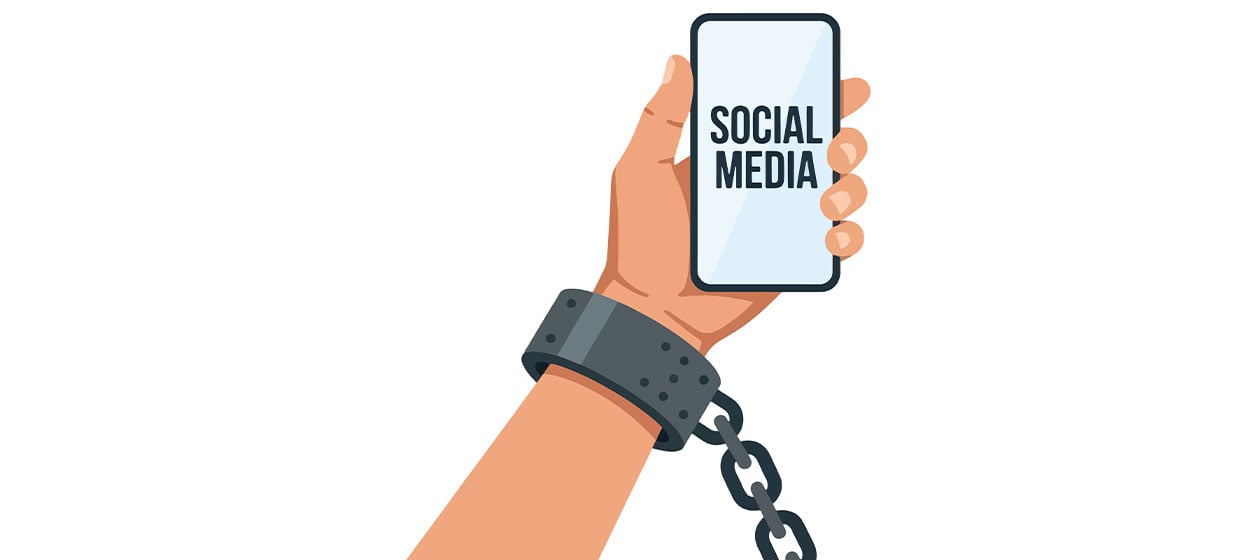
For more than a decade, social media has been a central pillar of youth marketing. Whether through paid advertising, influencer partnerships, or organic content, platforms such as TikTok, Instagram, YouTube, and more have offered brands a direct route to younger audiences at scale. However, this model for marketing is becoming increasingly uncertain, particularly amidst the UK’s recent social media ban for under 16’s, which is just another indicator of why brands need to consider ‘in-person’ marketing imminently. In fact, as the most reliable channel for reaching Gen Z becomes less accessible, every brand – big or small – needs to reconsider their trajectory now.
For startups and SMEs in particular, this legislative shift presents both a challenge and an opportunity. The brands that adapt fastest will be those that recognise a simple truth: attention has not disappeared, it has simply become harder to capture through traditional digital channels. As a result, experiential marketing is poised to become one of the most important growth channels of the next decade.
Social media dependency is dead
Many businesses have become overly reliant on social media as their primary route to awareness and customer acquisition. It is easy to understand why. Social platforms offer immense reach, sophisticated targeting capabilities, and measurable performance metrics. However, recent years have demonstrated the risks of building marketing strategies around channels that brands do not control.
Algorithm changes can dramatically reduce organic visibility overnight. Privacy regulations have weakened targeting capabilities. Customer acquisition costs have steadily increased. Now, potential restrictions on youth access add another layer of uncertainty.
For startups and SMEs operating with limited budgets, these changes are particularly challenging. Unlike large enterprises with diversified marketing investments, smaller businesses often depend heavily on a handful of digital channels to drive growth.
This environment is forcing marketers to reconsider a fundamental principle: how do you build meaningful relationships with customers when digital access becomes less predictable? The answer increasingly lies beyond the screen.
Experimental marketing is taking centre stage
Historically, experiential marketing was often viewed as a brand-awareness exercise. Pop-up shops, sampling campaigns, campus activations, and live events generated buzz but were difficult to measure against traditional performance channels. That perception is changing rapidly.
Today’s experiential campaigns are becoming highly sophisticated customer acquisition engines. Brands can use technology, loyalty programmes, QR codes, app integrations, and exclusive offers to connect physical experiences directly to measurable business outcomes. The result is a channel that delivers something many digital platforms struggle to replicate: genuine engagement.
When consumers attend an event, participate in an activation, or interact with a brand in person, they invest attention in a way that passive scrolling rarely achieves. The experience becomes memorable, shareable, and emotionally resonant. For startups and SMEs competing against larger brands, this creates an opportunity to punch above their weight. A well-executed local activation, university partnership, or community event can generate loyalty and advocacy that far outweighs its budget.
Experiential marketing is no longer simply about creating moments. It is about creating measurable relationships.
First-party data is becoming a strategic asset
One of the most important consequences of social media restrictions is the growing importance of first-party data. For years, brands benefited from platforms that effectively handled audience targeting on their behalf. Businesses could rent access to highly specific consumer groups through paid advertising and platform algorithms.
As privacy expectations increase and audience targeting becomes more restricted, businesses need to own more of their customer relationships. This means building direct connections and collecting consented first-party data that can be used across channels. Experiential marketing plays a powerful role in this process.
Whether through event registrations, loyalty schemes, exclusive offers, competitions, or community memberships, real-world experiences create natural opportunities for consumers to engage directly with brands.
For SMEs, this is especially valuable. First-party data enables businesses to reduce dependence on third-party platforms and create more sustainable growth strategies. Every customer relationship built directly becomes an asset that cannot be disrupted by algorithm updates or regulatory changes. The brands that thrive in the coming years will not simply be those with the largest audiences. They will be those with the strongest direct relationships.
Building Gen-Z relationships beyond social
Despite popular assumptions, Gen Z’s relationship with technology is becoming increasingly nuanced. While they are digital natives, younger consumers are also demonstrating growing interest in authenticity, community, and real-world experiences. Many actively seek opportunities to disconnect from constant online engagement and participate in meaningful offline activities. This shift creates opportunities for brands willing to think differently.
University partnerships, community events, creator-led experiences, pop-up activations, workshops, product launches, and brand communities all provide avenues for engagement that do not rely exclusively on social media algorithms. Importantly, these interactions often create stronger emotional connections than digital advertising alone.
Younger consumers are highly skilled at filtering out promotional content. What they value is participation. They want experiences that offer utility, entertainment, exclusivity, or a sense of belonging. For startups and SMEs, this can be a competitive advantage. Smaller businesses are often more agile and closer to their communities than larger corporations. They can create authentic experiences that feel personal rather than corporate. Ultimately, in an increasingly crowded marketplace, authenticity matters.
Why physical experiences could become a competitive advantage
Brands that successfully create meaningful in-person touchpoints will benefit from stronger recall, higher trust, and deeper customer loyalty. This does not mean abandoning digital marketing. Rather, it means creating a more balanced marketing mix.
The future is unlikely to be a choice between online and offline. Instead, the most successful brands will integrate the two. Physical experiences will generate engagement and first-party data, while digital channels will amplify and extend those relationships.
For SMEs, this integrated approach can be particularly effective. Limited budgets demand efficiency, and experiential campaigns that generate both customer acquisition and long-term loyalty offer stronger returns than many traditional awareness initiatives. The businesses that embrace this shift early will gain a meaningful advantage over competitors still relying heavily on increasingly constrained digital channels.
The future marketing equation
The proposed restrictions on social media usage are part of a broader trend reshaping the marketing landscape. Privacy regulations, platform fragmentation, rising acquisition costs, and changing consumer behaviours are all pushing brands toward more direct forms of engagement. For marketers, the message is clear: relying on social media as the primary route to younger audiences is becoming increasingly risky.
The next generation of growth will be built through experiences, communities, and direct relationships. Experiential marketing is no longer an optional addition to the marketing mix. It is becoming a strategic necessity. For startups and SMEs looking to build sustainable growth in an evolving digital landscape, that shift could represent one of the biggest opportunities of the decade.
For more startup news, check out the other articles on the website, and subscribe to the magazine for free. Listen to The Cereal Entrepreneur podcast for more interviews with entrepreneurs and big-hitters in the startup ecosystem.
