

What every start-up founder needs to understand about the mental load

What is the mental load?
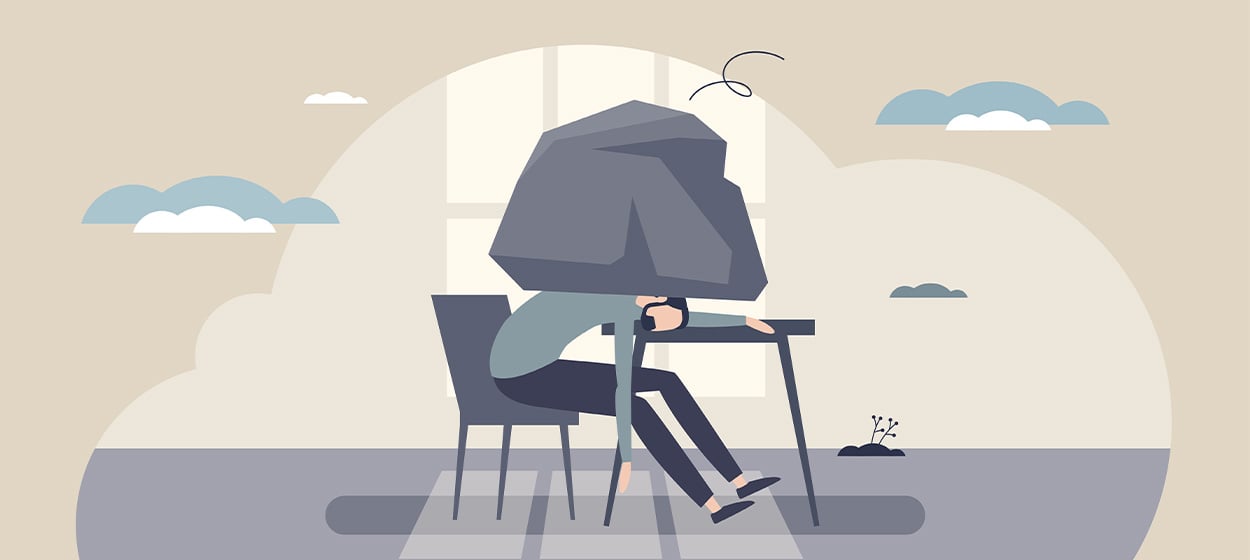
The term mental load is used to describe the invisible cognitive labour of managing life, not simply doing tasks, but the constant planning, anticipating, worrying, and holding responsibility for them. It’s the tabs that either never close or constantly keep popping up, even when the task is ‘done’. Noticing the fridge is low, remembering whose appointment needs booking, constant tracking of what is happening next week. You could be sitting still, but often your mind is racing, carrying an enormous mental load. And it often gets unacknowledged, including by the person carrying it.
As an entrepreneur, running your own business and managing all the tasks that come with it makes it even more important to be aware of your own mental load and the mental load of others within your business.
How does it manifest?
It’s firstly important to understand how our brain regulates our emotions by using three key systems: the Threat System (scanning for danger), the Drive System (pushing us to achieve and perform), and the Soothe System (rest, recovery, connection). When we carry a constant heavy mental load, we live exclusively in the first two- constantly scanning for what could go wrong and pushing ourselves to stay on top of everything. The soothe system, the one that allows rest and recovery, is barely tapped into. This creates what I call threat-based drive, where we no longer strive from a place of motivation or fulfilment but from fear, and because stopping feels dangerous.
Over time, this activates perfectionist tendencies, fuels self-criticism and quietly depletes us, long before we would ever describe ourselves as “struggling”. In fact, people carrying mental load are often least likely to identify themselves as struggling- because holding everything together and running in the threat-based drive has become their “normal”.
Imagine the detrimental consequences on your business’ potential if you, as an entrepreneur or your employees are simply existing in the Threat System the Drive System – never being able to stop and soothe.
What are the physical signs of ‘mental overload’?
This is where most entrepreneurs think it’s just “normal fatigue” and dismiss it because it’s easy to say I am a bit tired, getting older or simply a bit run down. But the body is always keeping score and sends us signals.
These could look like sleep that isn’t restorative, waking up feeling exhausted, difficulty falling asleep, or waking up at 3 am with the mind racing. This happens because your nervous system has learned it needs to stay alert to fight off the threats: the open tabs on your to-do list. The nervous system does not know how to fully power down.
It can also create tension that lives in the body. Clenched jaws, tight shoulders, headaches or other aches and pains in the body. The body braces under constant chronic stress, leading to fatigued and painful muscles. Digestive disruption is a common sign too, since the gut and the brain are in constant communication. Changes in appetite, constant indigestion, IBS flaring up, or that persistent knot in the stomach are frequently the body’s response to a mind and nervous system that is unable to switch off. Skin flare-ups such as eczema, psoriasis, acne, and cold sores are just a few common conditions that all respond to high cortisol (the stress hormone), which elevates when we are in threat-based drive. Brain fog too – many find themselves walking into rooms and losing their train of thought, forgetting mid-sentence, an inability to concentrate. These can also be signs of the brain running at or beyond its capacity and not just ageing. Lowered Immunity and being susceptible to catching every bug going, taking longer to recover, feeling depleted in ways that don’t quite add up.
It is critical to understand that these are not separate problems to fix individually but when looked at holistically, can often be a unified signal: the load is too much.
4 ways for entrepreneurs to address the mental load
1: The first step is to recognise and name it accurately. Most ambitious entrepreneurs experiencing it can often label it internally as personal weakness- an inability to cope and a failure of resilience. Recognising that your body’s signals are real and an intelligent response to an unsustainable load is not self-indulgent. It is the first step towards compassionately taking action for your wellbeing. Beyond that a few things that can help are:
2: Intentionally accessing your soothe system. This does not have to be elaborate. A simple compassionate pause can be a useful exercise: take 30 seconds to close your eyes, ask yourself ‘What do I need most right now?’, and listen without judgment. This act allows a moment of reflection and self-kindness, stepping out of threat-based thinking and into a state of self-awareness and balance.

3: Make the invisible visible. Mental load stays heavy partly because it lives in one person’s head. Externalising it- writing it down, sharing it, and having open, honest conversations about who is carrying what, be it at home or work is not just practically useful but can be a form of relief.
4: Choose rest that actually restores. Scrolling endlessly is not rest for an overloaded mind, rather, it is more input into an already overwhelmed nervous system. Let your moments of rest include nature, movement, creativity and real human connection.
Regulate the nervous system directly. Breathwork is one of the fastest routes to calming the threat system. Breathing where the exhale not forced and is slower and longer than the inhale is great for this. Even just doing 4-5 breaths will shift your nervous system from threat to soothe by activating the Vagus nerve. Sensory anchors are also a great way to regulate: a smell you find calming, music that feels soothing or an image that makes you smile are all simple yet powerful tools to signal safety to your body.
Dr Aditi Bhalla is a mental wellbeing mentor and Psychotherapist for high-achieving professionals and entrepreneurs. With six years of experience and extensive training in mental health, mindfulness, and movement, she helps professionals prevent burnout through practical, compassionate tools. With a background in dentistry, she is also the founder of Nourish-a structured, science-backed program designed to support practitioner wellbeing and prevent burnout. Dr Bhalla is a professional speaker, including a recent TEDx, and hosts corporate wellbeing days.
For more startup news, check out the other articles on the website, and subscribe to the magazine for free. Listen to The Cereal Entrepreneur podcast for more interviews with entrepreneurs and big-hitters in the startup ecosystem.
