

Why startups fail to scale past their early success

Despite a record year for venture capital investment in the UK, figures from ONS reveal that less than two fifths (38.4%) of businesses founded in 2019 survived to 2024. The figures highlight how difficult it remains not only to launch a business, but to successfully scale one.
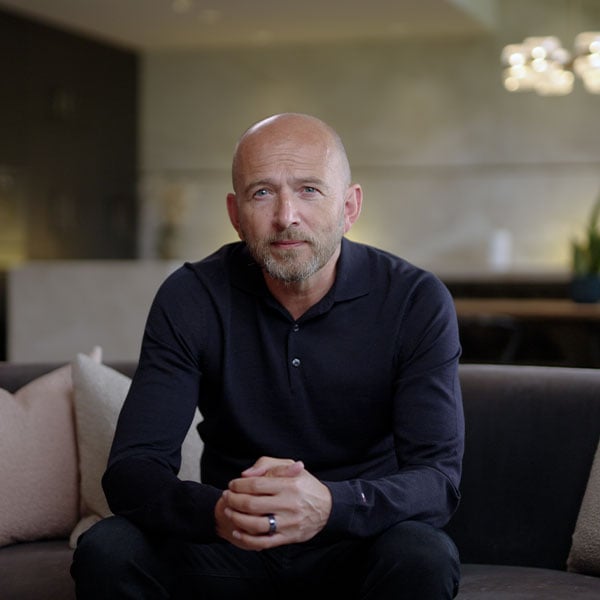
I spent my career building businesses and handing them over. The first was a telecoms startup in the nineties, where I grew the team from five people to 120 before selling it in the US for $40 million; five more followed. iplicit is my seventh venture and the only one that I struggle to imagine selling.
Success in entrepreneurship is about recognising opportunities, moving fast, and knowing the difference between a business that’s ready to sell and one with the potential to become something much bigger. For founders and startup leaders, here are three tips I would give anyone building something right now.
Find your first 50 customers
Every entrepreneur has an idea, but not every entrepreneur has customers. The fastest way to kill a business is to confuse an amazing idea and market potential with commercial traction. You need to really understand the problem you’re solving and the size of the market for that solution before you bet the farm. Don’t be a solution looking for a problem.
When I became involved with iplicit, its founder had spent his life savings (and more) building a brilliant product that he knew solved a real issue for the mid-market (having spent decades in ERP consultancy) but he had no customers and no go-to-market (GTM) strategy.
Finding and winning those first 50 customers, who stay with you because they genuinely value what you do, is probably the hardest mountain to climb in the early stages. Revenue is the oxygen in a business. Without a sufficient level of oxygen, not even the best product in the world will save you. Seed and venture capital, along with a variety of debt mechanisms, can buy you time (at a cost) but eventually, traction is the only real measure of your business’ potential.
Prioritising those early sales, assembling the right team for market launch, and identifying a real opportunity in the market led us to serve more than 50,000 users today, with our sights now firmly set on unicorn status by 2031.
Your people are EVERYTHING
The quality of your people when scaling is everything. I would take an average idea with an excellent team over an excellent idea with an average team, every day of the week. Recruit for belief in the mission, not just skill.
Trust is the other half of it. We pivoted to a remote-first model early on which allowed us to compete with big players in our market and sell to more customers up and down the country without being restricted by geography.
It also means we manage output, not input. We don’t track hours or logins. In return, we expect people to deliver and hold themselves to the highest standard as we grow, and we act fast if that trust is ever tested. Getting the right group of people aligned behind the same set of goals – passionate about a shared mission – is the basis for achieving real scale.
As you grow your team beyond market launch, a motto I live by is ‘grasp the nettle’. The founders I see struggling most are usually carrying problems they’ve been avoiding for months. Whatever the problem is – technical debt or an underperforming hire – deal with it ASAP, because leaving it only makes it bigger and more painful later.
Scale what works while keeping an eye on cash
If you get to £1 million in recurring revenue, you’re probably onto something. Whatever it is you’re doing, do more of it.

Ironically, when you get to around £5 million, the very things that got you there often become the things that hold you back. The founder making every decision, the heroics, and the hustle. The tribal knowledge that’s all locked up in a handful of people. It works brilliantly, until it doesn’t.
That’s where a lot of businesses stall. In the early days you can get away with instinct and energy. As you scale, you need systems, processes and stronger leadership. Not because they’ve taught you that in a business book, but because the business simply gets too big to run any other way.
It’s an uncomfortable transition and you’re replacing habits that made you successful with processes that often feel slower and more bureaucratic. But if you want to build a business capable of reaching £50 million and beyond, it’s a step you have to take.
I’ve seen plenty of founders hit a plateau and go looking for the next idea. In my experience, the answer is usually the opposite. Stay focused on what’s already working and exploit the opportunity in front of you. Make sure every member of staff understands where you’re all going and why.
And protect your cash. Growth consumes cash faster than most founders expect. A good rule of thumb in the early stages – everything takes twice as long and costs twice as much as you anticipate. You need enough fuel in the tank to make the transition and enough headroom to make good, long-term decisions. Businesses rarely fail because they run out of ambition. They fail because they run out of cash.
For more startup news, check out the other articles on the website, and subscribe to the magazine for free. Listen to The Cereal Entrepreneur podcast for more interviews with entrepreneurs and big-hitters in the startup ecosystem.
