

Why startups need to rethink talent in the age of AI

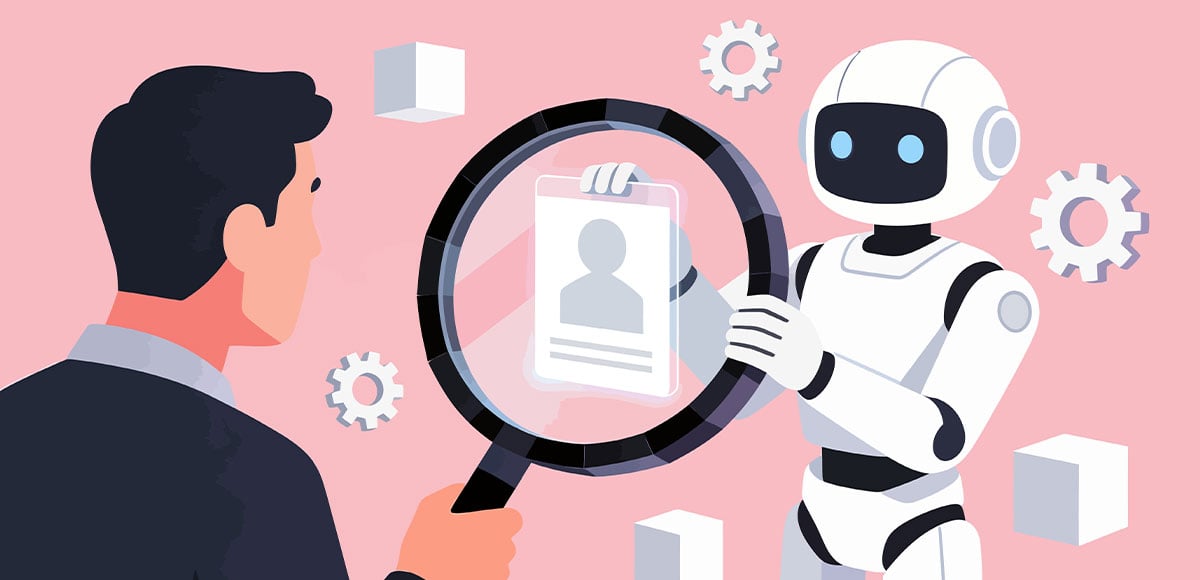
Artificial intelligence is changing how startups work. It is helping founders automate processes, analyse data, develop products, create content, and accomplish tasks that once required entire teams. But there is a paradox emerging. The more technology we use, the more important people become.
For startups, this is particularly significant. Young companies are often operating with limited resources, small teams, uncertain markets, and enormous pressure to move quickly. Every hire matters. Every relationship matters. And a single person can have an outsized impact on the trajectory of the business. The question startups should be asking isn’t simply, “How can AI help us do more with fewer people?” It should also be: “What kind of people do we need to build a company that can adapt, innovate, and succeed alongside AI?”
Don’t hire for yesterday’s skills
One of the biggest challenges facing startups is that traditional job descriptions are increasingly becoming outdated. A role may have been designed around a specific set of technical responsibilities six months ago. Today, AI may be able to automate some of those tasks, dramatically change others, or create entirely new opportunities.
That means startups need to think differently about talent. Rather than focusing exclusively on what someone has done, leaders should ask:
- How does this person learn?
- How do they respond to change?
- Are they curious?
- Can they think critically?
- Can they work with technology without becoming dependent on it?
Technical skills remain important, but adaptability may ultimately become one of the most valuable skills a startup can hire for.
The human skills AI can’t easily replicate
As AI becomes more capable, uniquely human capabilities become increasingly valuable:
- Judgment
- Empathy
- Communication
- Creativity
- Relationship-building
- Leadership
- Resilience
- The ability to navigate ambiguity
These aren’t “soft” skills in the way the term sometimes suggests. In a startup environment, they can be business-critical skills.
A founder may have an employee with exceptional technical capabilities, but if that individual cannot collaborate, communicate, adapt, or build trust, their technical expertise may not translate into organisational success.
Startups need people who can connect the dots – not simply complete tasks.
Culture isn’t a perk
Another mistake startups can make is treating culture as something that can be addressed after the company has grown. Culture begins with the people you hire. Every employee influences how decisions are made, how customers are treated, how conflict is handled, and how people communicate with one another.
This is why team design matters as much as individual hiring. Before adding another person, leaders should understand how the existing team operates. What are its strengths? Where are the gaps? Are responsibilities clear? Could technology solve part of the problem? Could someone internally take on the responsibility?
Sometimes the answer isn’t another hire. Sometimes the answer is a better system.
The candidate experience is part of your brand
There is another aspect of talent that deserves more attention: customer service. Candidates are often treated as participants in a hiring process rather than as people having an experience with the company. But candidates remember how they were treated. They remember whether someone communicated with them. Whether they were prepared for an interview. Whether they received a follow-up. Whether they were treated respectfully when they weren’t selected.
For startups, this matters enormously.
The person you don’t hire today could become your customer tomorrow. They could refer someone to you. They could become a future employee, partner, investor, or business connection.
Every interaction is part of your brand.
Treating candidates well isn’t simply the right thing to do. It is also smart business.
AI shouldn’t make recruiting less human
There is tremendous opportunity for AI to improve recruiting. It can help identify candidates, organise information, improve efficiency, and reduce administrative work. But startups should be careful not to confuse efficiency with effectiveness. An algorithm can help identify someone who appears qualified. It cannot completely understand the person behind the resume. It cannot replace a meaningful conversation about someone’s motivations, ambitions, values, or ability to thrive in a particular environment. And it cannot replace the trust that develops when two people genuinely connect.
AI can accelerate the process. It shouldn’t eliminate the human relationship.
The startup advantage
Perhaps the greatest advantage startups have is their ability to change quickly. Large organisations may struggle to redesign roles, restructure teams, or rethink how talent is deployed. Startups have an opportunity to build differently from the beginning. They can create organisations where technology and people complement one another. They can hire for adaptability rather than simply experience. They can build teams around outcomes rather than rigid job descriptions. They can create cultures where curiosity and continuous learning are expected. And they can make the candidate and employee experience part of their competitive advantage.
The startups that succeed in an AI-driven economy won’t necessarily be the companies with the most technology. They may be the companies that understand how to use technology while getting the most out of their people. The future of work isn’t simply about AI versus humans. It is about AI plus humans – and knowing what each does best.
For startups, that means the talent question is no longer simply: “Who can do this job?” It is: “Who can help us navigate what comes next?”
And that may be the most important hiring question of all.
For more startup news, check out the other articles on the website, and subscribe to the magazine for free. Listen to The Cereal Entrepreneur podcast for more interviews with entrepreneurs and big-hitters in the startup ecosystem.
