

Silverstone is a reminder of what Britain does best

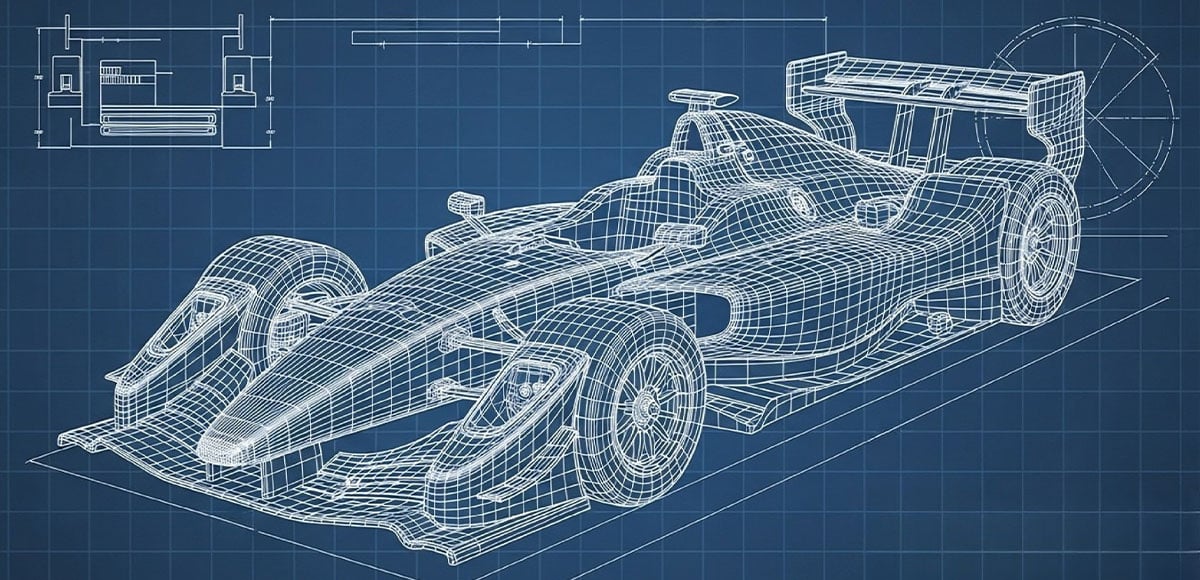
This Sunday, the roar of engines will fill the Berkshire air as Silverstone once again hosts the British Grand Prix. I have been lucky enough to attend this showpiece event on a number of occasions, and the excitement never dims. For me, it is more than just a spectacular sporting occasion. It is a vivid reminder of what Britain does best, and a prompt to reflect on the kind of country we are building for the future.
As an entrepreneur who has spent his working life in the automotive industry, I am, admittedly, not a neutral observer. But the story told by Formula One is one that every Briton should take pride in, and one that our incoming Prime Minister would do well to carry into office.
Start with the drivers. Five of the 22 on the grid this season are British, just under a quarter of the field, which is a remarkable achievement for a single country in a truly global sport. The names that have gone before them are woven into our national fabric: Sir Jackie Stewart, Nigel Mansell, Jenson Button, Sir Lewis Hamilton. Eleven Formula One World Champions in total, more than any other nation. These are not merely sporting heroes. They are proof of what British talent, determination, and ambition can achieve on the world stage.
Then look at the teams. Three of the 11 competing outfits this season (McLaren, Aston Martin, and Williams) are British-run. British-built cars have won the vast majority of races across many seasons, reflecting an engineering culture that is second to none. The aerodynamic innovations, the advances in chassis design, the precision manufacturing; much of it originated here, in the cluster of specialist firms and brilliant minds that make up what is sometimes called Motorsport Valley. The British motorsport industry supports tens of thousands of jobs and has driven major technical innovations that have shaped the sport and, beyond it, the wider automotive world.
And yet, we are too often reluctant to say so. We are a nation that has long been shy about talking up our strengths and virtues. At a moment of political transition, with a new Prime Minister about to take office, that must change. Britain needs to speak with confidence about what it has to offer and Formula One gives us a very good place to start.
The story of British motoring extends far beyond the race circuit. Britain did not invent the car in a single moment, but it made vital early contributions, among them Frederick Bremer’s petrol-driven car, built in Walthamstow in 1892. From the 1890s onwards, cities like Coventry, Birmingham, and London were among the first places in the world to produce cars at scale. By the early twentieth century, names like Rolls-Royce, Bentley, Jaguar, Austin, and Land Rover had become bywords for quality around the globe. Today, the UK remains a major manufacturing base for premium and specialist vehicles, from Jaguar Land Rover to Aston Martin to McLaren, with more than 75% of UK-built vehicles exported in a strong production year.
I know this world well. I started my first business in Liverpool at the age of 17. That entrepreneurial journey eventually led me to found Blackcircles, which I grew and sold to Michelin in 2015. The strength of British automotive culture, encompassing its engineering rigour, its global outlook, and its appetite for innovation, was always part of the environment that made that possible. It is now driving my latest venture, Rolo Tires, as I look to bring premium tyres to European markets.
The next chapter for this industry is being written right now, and it is an exciting one. The sale of new petrol and diesel vehicles will be banned from 2030, and globally, electric vehicles are projected to account for more than half of all cars on the road by 2050. Self-driving vehicles, already on the streets of China and the United States, are coming to Britain too. The 2024 Automated Vehicles Act is due to come into effect next year, and companies like Uber have already announced plans for driverless taxis in London. The government estimates that autonomous vehicles could support up to 38,000 jobs and add as much as £42 billion to the UK economy by 2035.

We are, in short, on the cusp of a transport revolution, and Britain is well placed to help lead it. The engineering expertise, the global brands, the entrepreneurial spirit, all of it is here, in abundance.
So as the lights go out at Silverstone on Sunday, and 22 cars thunder into the first corner, I hope we take a moment to appreciate what this event represents. Not just a great race, but a great nation, one with an extraordinary past in this industry, and an even more exciting future.
The chequered flag is not the end. For Britain’s automotive story, it is the start of the next lap.
For more startup news, check out the other articles on the website, and subscribe to the magazine for free. Listen to The Cereal Entrepreneur podcast for more interviews with entrepreneurs and big-hitters in the startup ecosystem.
