

The democratisation of supply chain intelligence for SMEs

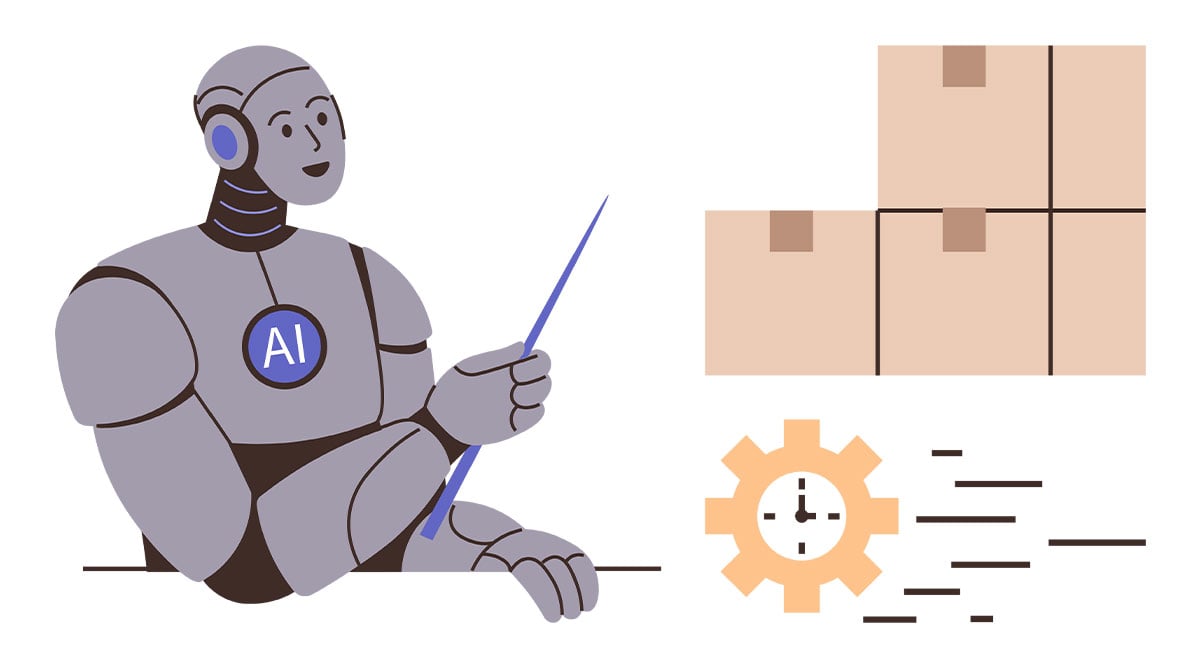
For years, sophisticated supply chain technology was the preserve of enterprise giants. Advanced forecasting models, real-time inventory optimisation, predictive logistics, and automated warehouse management systems were expensive, complex, and resource-intensive. They required dedicated IT teams, long implementation cycles, and six-figure budgets.
Today, that dynamic has changed fundamentally. Artificial intelligence has accelerated a structural shift in how businesses think about operations. What was once enterprise-grade is now accessible, scalable, and designed for growth-stage companies. Supply chain intelligence is being democratised, and, more importantly, it is now for SMEs.
Recent figures show that AI adoption in the UK’s retail sector accelerated in 2025, becoming the top technology for growth, as 51% of retailers embraced it for sales, marketing, and operational efficiency. Furthermore, AI is being used to optimise supply chains, with 38% focusing on improving delivery speed, tracking, and communication.
This shift extends beyond customer acquisition and personalisation. AI is being deployed deep inside operations, with a specific focus on optimising supply chains, improving delivery speed, tracking, and communication.
Real-time expectations
We are currently experiencing a structural shift as a result of AI tools, where businesses expect real-time impact and full digitisation. The days of batch reporting, spreadsheet reconciliations, and siloed systems are fading fast.
SMEs, in particular, are no longer satisfied with partial digitisation. A disconnected stack, such as having e-commerce on one platform, stock data in another system, fulfilment tracked elsewhere, creates friction, errors, and blind spots. Operators today expect connected operations in real time.
This expectation is rapidly becoming baseline. If a customer places an order, stock levels should update instantly across every channel. If a shipment is delayed, both the business and the customer should know immediately. If demand surges, replenishment should trigger automatically.
Growth without complexity
Historically, SMEs faced a difficult choice: stay lean and manual, or adopt over-engineered enterprise systems that introduced complexity and cost.
But SMEs don’t need monolithic warehouse systems with layers of configuration and custom development. In addition, they don’t need tools designed for global conglomerates with multi-million-square-foot distribution networks.
They need smart automation, real-time visibility, and the ability to grow without adding complexity.
That distinction matters because smart automation means removing repetitive manual processes and enabling automatic reordering, intelligent stock allocation, and AI-driven demand forecasting. Real-time visibility means a single source of truth across warehouses, retail locations, and e-commerce channels. Growth without complexity means systems that scale as volume increases, without requiring a parallel increase in headcount.
The democratisation of supply chain intelligence is not about shrinking enterprise software, but reimagining it for agility.
The impact of digitisation
When implemented properly, digitisation transforms day-to-day operations in ways that are both measurable and immediate. First, stock management shifts from reactive to proactive, allowing SMEs to manage stock levels in real time across multiple locations, eliminating overselling and reducing costly stockouts. Instead of relying on end-of-day reconciliation, businesses see live inventory movements as they happen.
Second, reorder automation removes guesswork. Intelligent systems calculate optimal reorder points based on sales velocity, seasonality, and lead times. Purchase orders are triggered before stock becomes critical, reducing working capital strain while protecting revenue.
Third, fulfilment errors decrease dramatically. Barcode scanning, automated pick lists, and integrated shipping labels reduce human error. Accuracy improves, returns decline, and customer satisfaction rises.
Finally, tracking evolves into full traceability. From supplier receipt to final-mile delivery, every movement is recorded and visible. This not only improves communication with customers but also strengthens compliance, quality control, and recall readiness.

These upgrades are no incremental, as they fundamentally change how SMEs operate.
Financial visibility
Furthermore, one of the most powerful outcomes of democratised supply chain intelligence is visibility at the financial level. Traditionally, many SMEs operated with delayed reporting. Stock valuation might be calculated weekly or monthly. Profit margins could fluctuate without clear explanation. Warehouse productivity was difficult to measure accurately.
With integrated, AI-enabled systems, immediate insight becomes standard and business owners can see real-time stock valuation across all channels. They can monitor order fulfilment performance, from pick time to dispatch time, and identify bottlenecks instantly. Warehouse productivity becomes quantifiable, measured by throughput, accuracy rates, and processing times.
Most importantly, profit margins become transparent. When inventory, shipping costs, storage, and returns are integrated into one system, margin erosion is visible the moment it happens. Decisions can be made proactively rather than retroactively.
For founders and operators, this level of clarity is transformative. It shifts supply chain management from a cost centre to a strategic growth lever.
AI adoption in retail is accelerating because businesses recognise that digitisation is no longer a back-office upgrade, but a core growth strategy. The structural shift toward real-time, fully connected operations is already underway.
Those who move beyond partial digitisation and invest in smart automation, real-time visibility, and scalable systems will unlock more than efficiency, gaining resilience, clarity, and competitive strength. In a market defined by speed and transparency, democratised supply chain intelligence is not simply a technological trend. For SMEs, it is the foundation of sustainable growth.
For more startup news, check out the other articles on the website, and subscribe to the magazine for free. Listen to The Cereal Entrepreneur podcast for more interviews with entrepreneurs and big-hitters in the startup ecosystem.
