

10 things every startup founder needs to know about MTD

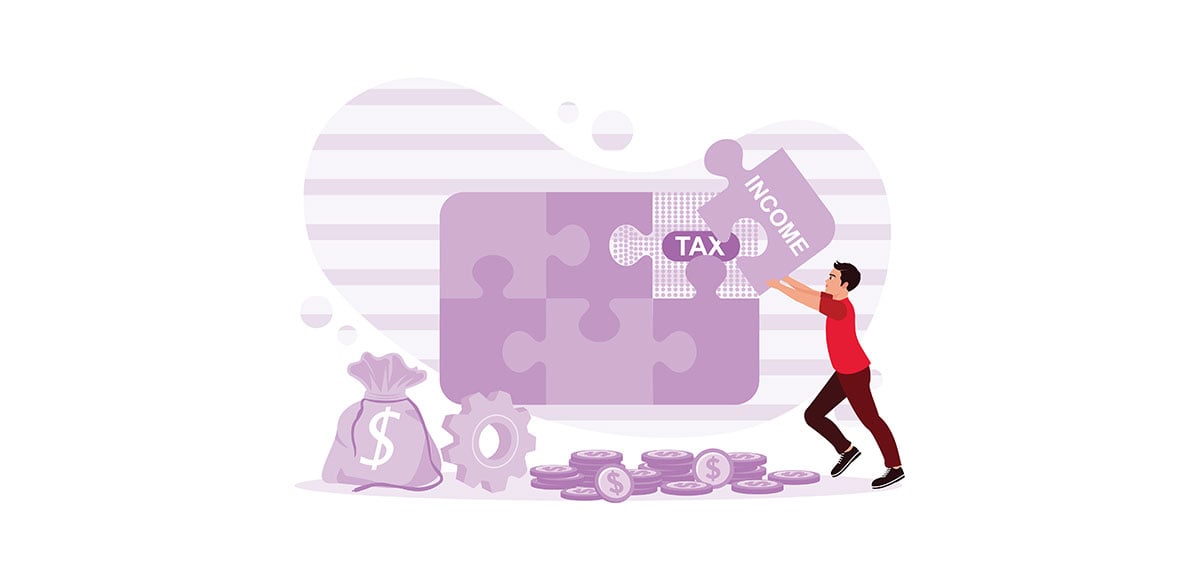
With a month to go until it kicks in, thousands of founders still aren’t sure what MTD is or how it’ll affect them. So here’s ANNA Money’s jargon-free guide to the basics.
Making Tax Digital for Self Assessment is coming (on 6th April, to be specific). You’ve probably seen the phrase, you may well have ignored it. Or maybe you saw “quarterly tax returns” and immediately closed the tab. We get it!
But take a breath – as the Gen Z-ers say ‘it’s really not that deep’. Making Tax Digital (MTD) is just a government plan to move tax reporting online and make it more up to date. It’s about keeping digital records and sending summaries to HMRC more regularly. For startups – especially founders juggling a hundred other things and wearing ALL the hats – it can sound like just one more admin headache. It doesn’t have to be, though.
Here are the 10 things every startup founder needs to know
First, check whether it even applies to you
If you run a limited company and pay Corporation Tax, you don’t need to worry about MTD for Income Tax right now. It’s not you! MTD for Income Tax applies to sole traders, the self-employed, and landlords who file a Self Assessment tax return and earn over the threshold. So if you’ve incorporated and only draw salary or dividends through your Ltd, this particular change isn’t aimed at you.
If you’re a sole trader earning over £50,000, it is you!
From 6 April 2026, sole traders and landlords earning over £50,000 will need to follow MTD for Income Tax rules. From April 2027, it will extend to those earning over £30,000. So if you’re building a startup as a sole trader and your income is growing, this is one to keep on your radar.
Yes, Self Assessment is changing
The annual tax return on 31st January as you know it isn’t disappearing completely, but it is evolving. Under MTD for Income Tax, you’ll send quarterly updates to HMRC, summarising your income and expenses. At the end of the tax year (5th April), you’ll submit a final declaration to confirm everything. So instead of one big yearly scramble, you’ll be reporting little and often. Which is no bad thing, especially when smart software (like ANNA’s) can automate the process for you.
Quarterly updates are summaries, not full tax returns
This is where a lot of the panic comes from. Quarterly updates are not four full tax returns. They’re simple summaries of your business income and expenses, pulled from your digital records. The idea is to keep HMRC updated and help you see how your tax position is shaping up throughout the year, so you’ll have better visibility and understanding of your finances. A good thing, surely, for founders.
You’ll need to keep digital records
MTD means no more shoeboxes of receipts and sprawling end of year spreadsheets. You’ll need to keep your records digitally, using software that can send information directly to HMRC. ANNA users are prompted to take a snap of their receipt every time they make a purchase, for example, and then bosh – you’re MTD compliant!
Smart software will do the heavy lifting
The key to staying calm about MTD is using software that can talk to HMRC directly and will categorise transactions, track income and expenses, as well as generating the quarterly updates for you. ANNA’s smart AI, for example, will do it automatically – just sync your bank account and the AI will do the rest. That turns a regulatory change into something that mostly runs in the background.
This could actually improve your cash flow
Here’s the upside. Quarterly reporting forces you to look at your numbers more often. For startups, that’s no bad thing. When you review income and expenses every few months, you get a clearer picture of profit, tax owed, and cash flow. No more nasty surprises in January. You’ll have a better idea of what to set aside and whether you can afford that next hire or marketing push.

If you’re VAT registered, you’ll already know the drill
MTD for VAT has been around for a few years, so VAT-registered businesses are used to submitting returns digitally. Many sole traders and landlords do both: they file a Self Assessment for income tax and a VAT return if their turnover exceeds the VAT threshold of £90,000. MTD for Income Tax works on the same principle as MTD for VAT – you submit your income digitally through software – so if you’re used to VAT reporting, the process will feel familiar.
It’s a good idea to sign up early
For many early stage businesses, the biggest risk isn’t MTD itself. It’s ignoring it until the last minute and then choosing the wrong digital tools in a rush, or having to retrospectively catch up on any expenses or invoices that land after 5th April. Nobody wants to put themselves through that. So don’t wait until the 6th April to find a solution. Get up and running before the deadline and start looking for the software that will suit you (you’ve only got a few weeks!)
You’ll need to file your 2025/26 Self Assessment as normal
There’s so much hoo-ha about the new MTD rules that it’s easy to forget that even if you qualify for MTD for ITSA, you’ll still need to file your 2025/26 tax return the normal way (by 31st January 2027). MTD quarterly reporting starts from the following tax year – it doesn’t replace this return.
We hope we’ve reassured you that MTD for ITSA is about moving tax into the real-world rhythm of your business. Little and often. Up to date. No drama. And for a startup founder, that’s not such a bad place to be.
For more startup news, check out the other articles on the website, and subscribe to the magazine for free. Listen to The Cereal Entrepreneur podcast for more interviews with entrepreneurs and big-hitters in the startup ecosystem.
