

Why ‘vibe working’ is a threat to workplace culture

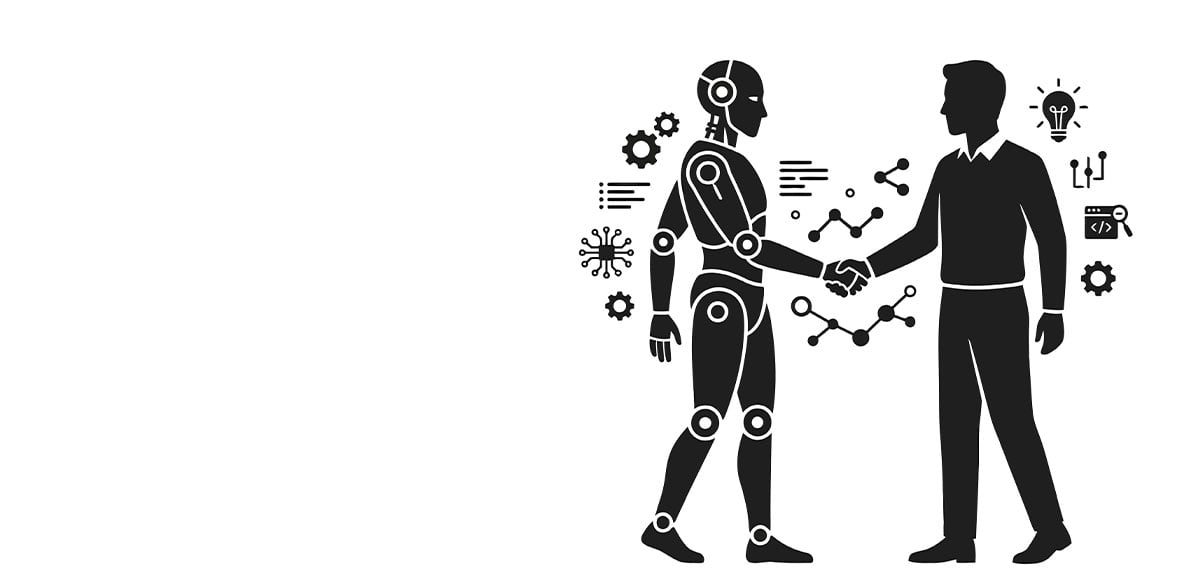
‘Vibe coding’ is building today’s startup economy. Pros and amateurs alike are turning to AI to write code and rapidly create software outputs faster than ever before. Seen by many as a huge time saver and a radical leveller in innovation, vibe coding has been instantly absorbed into our lexicon, even taking the 2025 ‘word of the year’ honour in some countries.
But its cultural relevance speaks to a broader shift in our relationship with work. Teams are importing the principles of vibe coding – using AI hacks to give less time and energy to ‘hard’ things – into every corner of their day-to-day. The result is what I’d call ‘vibe working,’ where tech shortcuts are preferred over deep thinking and new ‘skills’ are acquired only through AI means. However, by outsourcing our cognitive edge in the quest for efficiency, we might be doing a major disservice to our workplace cultures.
Coding hack can become cheat code mindset
The majority of employees now use AI regularly. The most commonly cited benefit is, unsurprisingly, efficiency. But where does that end? If streamlining is always an option, is there any task we wouldn’t rather hand over? This is the slippery slope of cognitive offloading.
The truth is, we’re not born with the skills we need for most jobs. They’re acquired through experience and finessed over time. It’s often the thorny tasks in particular that help us hone our craft. If a team is relying on AI tools to execute the trickiest parts of their job, there’s a risk they’ll never develop the strong instincts that eventually make them experts in their fields.
Some employers won’t even notice skills dulling, because of how productive the team feels. When employees leverage AI tools and tech hacks, they’re often racing through their to-do list, with soaring output. Promotions and praise may even follow. Unfortunately, while individuals might be doing more, they’re often understanding less, which is the ultimate paradox of the AI revolution.
It leaves teams vulnerable in future high stakes situations. AI over-reliers will feel at sea if a promotion calls on them to delve deeper into work they were merely vibing their way through. With no prompt to turn to, how would people respond when suddenly asked to train colleagues or make on-the-spot decisions (and explain their rationale)? When push comes to shove and the AI crutch is taken away, the change in output could be impossible to hide. Those for whom nothing can get done without a layer of AI intervention risk paralysing their own professional development.
Even the social fabric of the workforce starts to fray when AI becomes our first port of call. Instead of asking a colleague to sense check an idea, we turn to bots for feedback. It feels safer and reduces chances of conflict. Likewise, rather than brainstorming as a team, we ideate with a tool that acts as a mirror to our own suggestions, ultimately losing the healthy friction that challenges everyone on the team to be better. This represents a real missed opportunity for collaborative creativity.
There are also reputational risks. Almost half of regular AI users admit to using it inappropriately. Things like passing off AI generated work as their own, uploading sensitive company information onto insecure platforms, or simply not checking the AI output thoroughly. Getting caught out on any of these could have huge professional repercussions for individuals, and cause potentially catastrophic reputational damage to businesses.
Treat AI as an assistant, not the brains of the operation
I’m not suggesting we forgo all of AI’s advantages and make our working lives more taxing for the sake of it. But this is a pivotal time across all sectors and, if we want to build effective teams and develop the depth of expertise that will stand the test of time, we have to get the balance right. The first step must be to treat AI as an assistant, not a brain. It can’t think for us (or for itself), so every leader must encourage employees to pause before firing it up to ask themselves: are they delegating admin or outsourcing thinking?
Secondly, upskill before you outsource. You and your team should be able to do everything you’re delegating to AI – not least so that you can quality check it. If you or any of your team are using it for specific tasks which you know are beyond your abilities, do something about it.

This might mean seeking out professional training that strengthens your team’s technical understanding. At Newton, we’ve seen a huge surge in established venture capitalists wanting to take part in structured education programmes in recent years. We’re all navigating uncharted territory, so whether you’re a seasoned professional or just starting out, investing in expertise will put your team in a far stronger position to weather the structural and cultural shifts that are in play.
Lastly, encourage your team to make the most of the offline aspects of their work. Embrace and nurture the messy, human parts of the job. At an individual level, this might mean investing in networks and professional relationships, or encouraging employees to go to events in real life. Make sure they’re learning from others both within and outside the team. The ‘soft’ skills these things require are likely to become the hard differentiators in the future.
Ultimately, vibe coding works because a human has a clear idea of what they want, and takes the reins to get there. They’re constantly prompting, revising, and *telling* AI what their idea needs to look like. Applying the same approach to every aspect of your work, on the other hand, can be an excuse to cede control from your mind. Yes, some work can be vibecoded, but whole workplaces, less so. We have to bring the vibes – the judgement, the relationships, the knowledge. If not, there’s a good chance AI will gently coast us towards the shores of inutility.
For more startup news, check out the other articles on the website, and subscribe to the magazine for free. Listen to The Cereal Entrepreneur podcast for more interviews with entrepreneurs and big-hitters in the startup ecosystem.
