

The real threat to HR isn’t introducing AI – but ignoring it

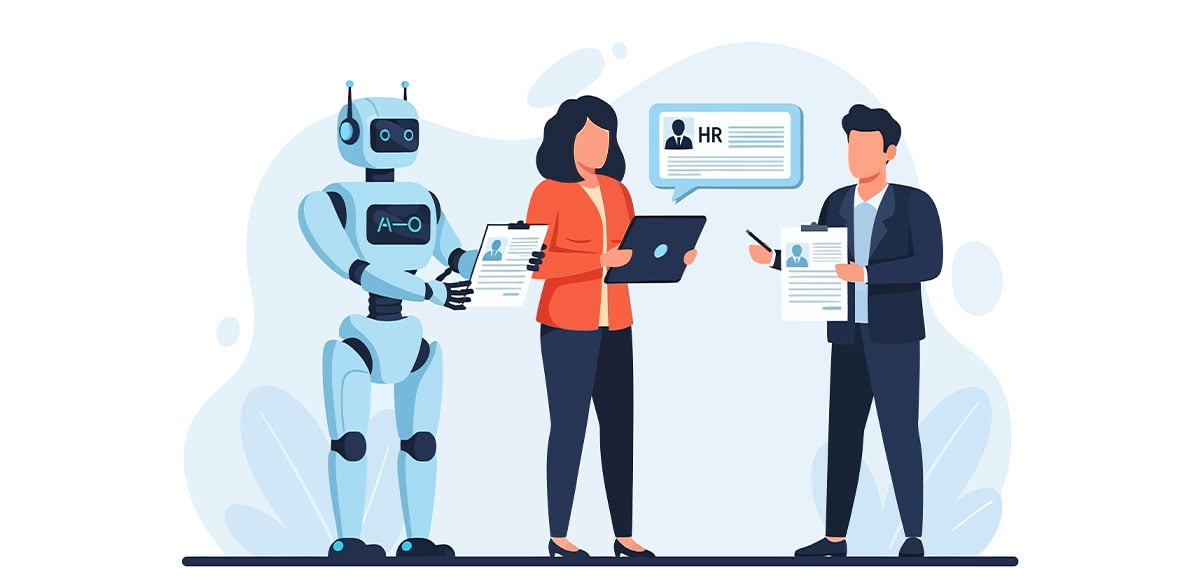
HR is, by definition, one of the most human functions of any organisation. Empathy, trust, and context sit at the heart of successful operations – all qualities no algorithm can fully replace.
So, why is it that – according to Brightmine – 66.3% of HR practitioners now use artificial intelligence in their daily tasks? And what does growing adoption mean for the future of the profession?
Pushed to the limit
Global hiring trends, hybrid and remote workforces, and persistent skills shortages are stretching HR teams thin. Employees and leaders alike now demand more from each placement, expecting well-matched results much faster. Companies are therefore turning to artificial intelligence to keep up.
Highly automatable tasks
It’s not that HR is dwindling in importance but growing in demand and complexity. Any time saved or efficiencies made thus become invaluable.
This is where AI in HR comes into its own. Though vital, much of HR work is repetitive, which is why the sector lends itself so well to automation. Tasks such as early-stage CV screening, interview scheduling, routine updates, data entry, and basic reporting consume significant employee time, despite rarely requiring detailed human input.
By allowing AI – carefully pre-programmed to specific requirements – to assist with these tasks, HR professionals gain back time to focus on higher-value activities, from nurturing candidate relationships to developing longer-term recruitment strategies and employer brand. This brings profitability and competitivity back into the business, with Hirebee reporting that AI-powered hiring tools can reduce recruitment costs by up to 30% and cut time-to-hire by approximately 50%, for instance.
Opportunity – not threat
In this sense, the fact that the CIPD has ranked HR admin-, management-, and director-level roles among the top 20 occupations most susceptible to AI transformation must be viewed as an opportunity – not a threat. Rather than destabilising the industry and its associated professional security, AI is strengthening HR as a whole – the real danger being leaders ignoring it.
Growing credibility
If HR teams continue turning up to board meetings with little more than anecdotes to share, they’ll quickly lose the respect of their data-backed colleagues. Finance, technology, growth, risk, and other C-suite teams are already relying on AI insights to summarise reports, test strategies, and model key business scenarios – and CEOs increasingly expect HR teams to speak the same language.
Leaders who can shed light on the potential impact that a new hybrid policy could have on attrition thanks to AI predictions are much better placed to thrive, for example. Likewise, those capable of identifying which sourcing channels, roles, or geographies give companies the best ROI or the most likely skills gaps to appear over the next 12-24 months ensure their input is still valued at the strategic table.
Human empathy still matters
This is not to say that the humanity so intrinsic to HR functions will be lost to pragmatics. It’s only natural to see change as a challenge, but the truth is that AI is here to complement and refine, not replace existing practices.
Capable of processing vast datasets, AI tools surface valuable patterns that widen the candidates pool and heighten HR’s impact. The insights generated by automated tools support quicker, better-informed decisions and placements, freeing human capacity for higher-value tasks, such as personalised development, employee engagement, and longer-term workforce planning, as well.
Without human input, however, AI outputs remain inactionable pieces of decontextualised data. HR professionals must still bring compassion, context, and ethical neutrality to the table.
Computers may automate routine tasks, but they cannot understand organisational nuance, culture, or the ethical implications of a given choice. This responsibility remains firmly in the hands of HR.
A prerequisite for credibility and authority
Implemented correctly, AI adoption supports HR professionals in maintaining career relevance. Far from a threat, it proves equally vital for leaders who wish to retain business influence. CEOs increasingly expect evidence-based insight beyond experience-led intuition. Leaders who embrace AI-driven operational focus will thrive – their prediction-based forecasting capacities increasingly valued in competitive environments – whilst those who reject it risk being left behind.
A dangerous gap
The issue is that adoption across the profession remains patchy, undermining leadership credibility. Dayforce reports that while 87% of senior HR executives now use AI in their own workflows – a further sign to adopt or stagnate – just 27% of the team members they support have embraced it. Leaders must address concerns around skills, trust, and ethical usage to prevent this critical adoption gap from diminishing their function’s influence.
By investing in the right tools, building confidence through training, and setting clear usage guidelines, HR can secure a more relevant future. Avoiding AI to preserve comfort might feel considerate right now – but ultimately limits HR’s ability to shape future outcomes.

Reshaping, not replacing
Indeed, AI is already transforming the impact the HR sector can have.
In talent sourcing, AI’s strength in pattern recognition allows teams to analyse job requirements, historic hiring data, and live candidate profiles at scale, leading to the identification of best-fit candidates – including those with transferable skills often overlooked. This builds more resilient, future-proof pipelines.
AI is likewise improving communication and experience through automated yet personalised updates, intelligent cross-time-zone scheduling, and instant responses to routine queries that help meet modern expectations for clarity and responsiveness. Rather than compromising the human touch, it replaces out-of-hours silence with continued engagement.
More humanity, not less
Contrary to popular belief, AI can inject more humanity into HR. When thoughtfully implemented, monitored, and audited, systems can support fairer, more ethical practices, for instance. Standardised, criteria-based screening reduces inconsistency and limits unconscious bias in early hiring stages. Similarly, matching candidates to multiple suitable roles, rather than filtering them out after a single rejection, broadens opportunity rather than narrowing it.
Of course, algorithms must be trained on relevant, representative data – human oversight remaining central.
A brighter future for HR
AI does not eliminate HR work. It brings more strategy, relevance, and people focus. As technology takes on repetitive, process-heavy activity, HR leaders gain space to focus on what defines their function’s value. This is about so much more than keeping up with the latest digital trends. It’s about maintaining authority and bolstering impact in a data-driven business world, whilst ensuring HR continues to shape the future of work with empathy and humanity.
For more startup news, check out the other articles on the website, and subscribe to the magazine for free. Listen to The Cereal Entrepreneur podcast for more interviews with entrepreneurs and big-hitters in the startup ecosystem.
