

EveryCarbon to scale circular diol process to 10,000‑litre pilot

EveryCarbon has secured a subcontract under the FLAIR project, a multi‑year German initiative converting food‑processing waste into high‑value functional materials, to scale its circular diol production process from lab development to a 10,000‑litre industrial pilot at Popp Feinkost.
The collaboration marks a pivotal step for the Stuttgart-based materials company, which is developing engineered polyester systems for industrial and construction applications. Moving from laboratory to industrial pilot is widely regarded as one of the most challenging phases in commercialising new materials platforms. The project aims to show that EveryCarbon’s process can be integrated directly into existing industrial infrastructure, reducing capital expenditure, shortening scale‑up timelines and improving supply resilience for manufacturers seeking alternatives to fossil‑derived feedstocks.
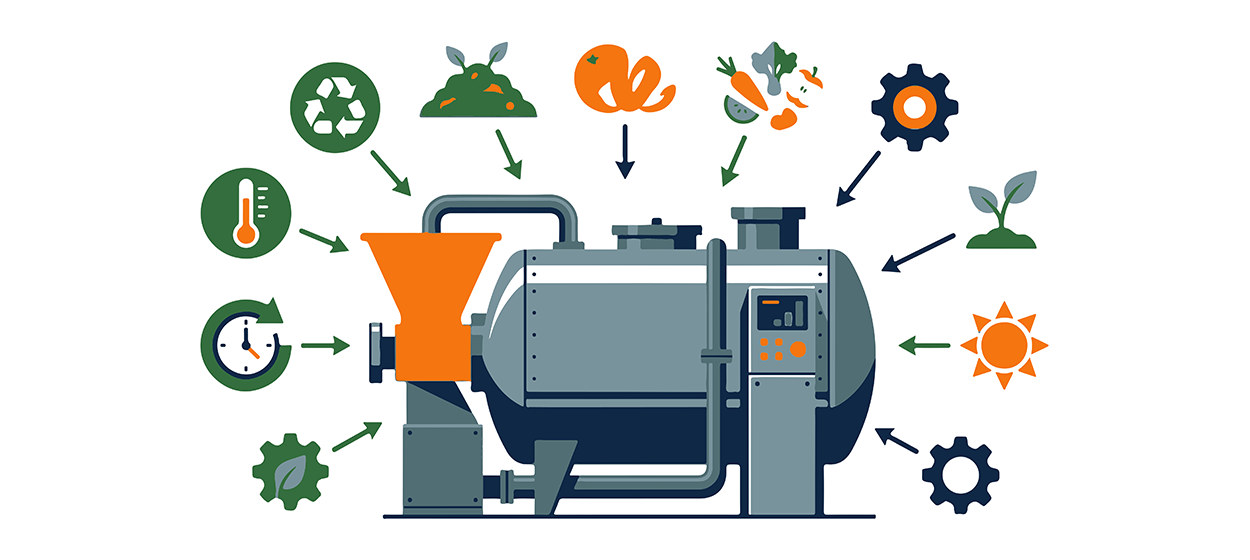
Under the subcontract, EveryCarbon will support the retrofit of an existing 10 m³ tank at Popp Feinkost’s facility to enable waste hydrolysis. The work includes integrating the fermenter with the site’s gas and hot‑water systems and preparing the unit for continuous operation. Once running, food‑waste hydrolysate produced on site will be transported to EveryCarbon’s pilot facility in Stuttgart, where it will be converted into ECOne, the company’s high‑performance polyester resin.
Researchers at Hamburg University of Technology and the University of Hamburg will use the platform to develop new monomers and polymers, while Fraunhofer IPA will build a data layer designed to accelerate materials discovery and shorten development cycles.
Sebastian Beblawy, EveryCarbon’s CEO and co‑founder, said the 10,000‑litre deployment is “a major step toward proving that existing industrial infrastructure is a key to unlocking the next fossil‑independent manufacturing layer,” adding that the project will validate continuous production of the circular diols used in ECOne.
Prof. Johannes Gescher, Head of the Institute of Technical Microbiology at TU Hamburg, said the initiative provides a rare opportunity to test food‑waste fermentation at meaningful industrial scale. “Working with EveryCarbon on monomer and polymer development from this platform is a natural extension of research we’ve pursued for years,” he said.
Popp Feinkost project engineer Jan Maarten Brack noted that the company already recovers value from production side‑streams, but the FLAIR project enables “a meaningful step up” by linking those streams to high‑performance materials rather than lower‑value outputs.
The partnership deepens EveryCarbon’s relationship with Popp Feinkost, expands its collaboration with Fraunhofer IPA and builds on longstanding scientific work with Gescher’s lab. The project also supports industrial validation of the circular diols underpinning ECOne production, using retrofitted infrastructure rather than new‑build capacity.
For more startup news, check out the other articles on the website, and subscribe to the magazine for free. Listen to The Cereal Entrepreneur podcast for more interviews with entrepreneurs and big-hitters in the startup ecosystem.
