

As a neurodivergent CEO – how can thinking differently be your greatest business asset
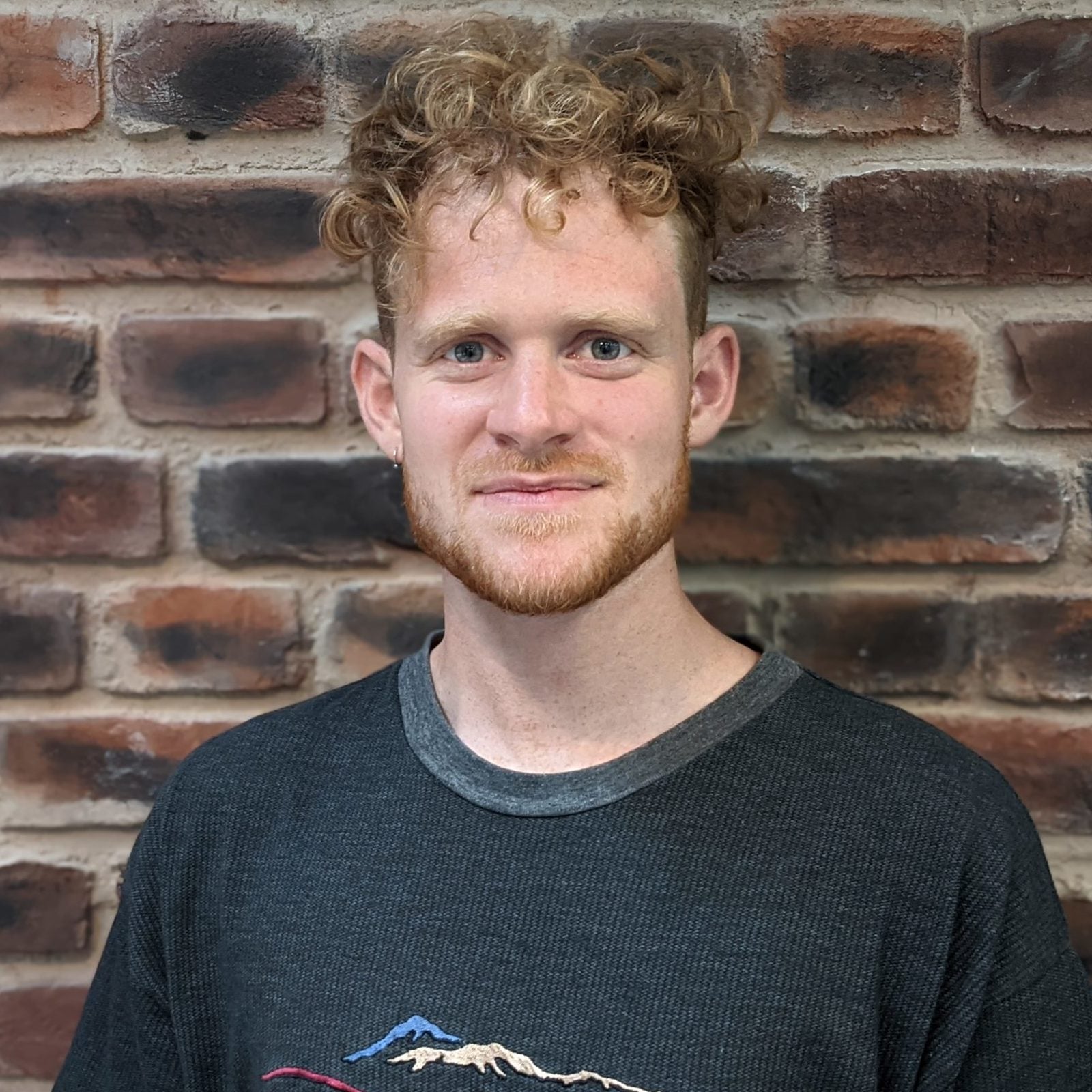

Matt Boyd, CEO of Exceptional Individuals, discusses the realities of building a business as a neurodivergent entrepreneur, how dyslexia has shaped his leadership style, and the tools and strategies he uses to navigate the challenges of running a company.
Exceptional Individuals is a neurodiversity-focused organisation dedicated to helping neurodivergent people find employment, develop their careers and thrive in the workplace. Founded in 2015 , who is dyslexic himself, the organisation was born out of his own experiences of struggling to navigate traditional recruitment processes and recognising the need for more inclusive routes into employment.
Today, Exceptional Individuals provides a range of services, including employment support, workplace assessments, coaching and training, while working with businesses to help them better understand and support neurodivergent employees. Its team is predominantly neurodivergent, and its online resources reach millions of people. Through its work with individuals and employers, the organisation aims to challenge misconceptions about neurodiversity and create workplaces where people can recognise and make the most of their individual strengths.
To start with, could you tell us a little about yourself, how you identify as neurodivergent and what this means for you personally?
I’m Matt Boyd, the founder of Exceptional Individuals, an organisation I started over ten years ago to help neurodivergent people find employment and thrive in the workplace.
I’m dyslexic, and it’s something that’s shaped a huge part of my life, both personally and professionally.
For me, being dyslexic means my brain works a little differently. There are things I find difficult, particularly around processing written information, organisation, and certain administrative tasks. But there are also things I feel I’m naturally good at, particularly thinking creatively, seeing the bigger picture, and coming up with new ideas.
I think one of the biggest things I’ve learnt is that neurodivergence isn’t necessarily about being better or worse at something. It’s about having a different set of strengths and challenges, and understanding how to work with those differences rather than constantly fighting against them.
How has being neurodivergent shaped your career more broadly? Have there been particular challenges you’ve faced when entering or progressing in the workplace?
Being dyslexic has probably shaped my career more than anything else.
When I was younger, I struggled to find employment. I remember signing on at the Jobcentre and finding the whole process of getting into work incredibly difficult.
Traditional recruitment processes weren’t particularly well suited to someone like me. So much emphasis was placed on written applications, CVs and demonstrating your abilities in very specific ways.
I found it frustrating because I knew I had something to offer, but I wasn’t necessarily able to demonstrate it through those processes.
I think that’s something a lot of neurodivergent people experience. You can have enormous potential, but if you’re being assessed in a way that doesn’t suit how your brain works, you might never get the opportunity to demonstrate it.
In many ways, those early challenges pushed me towards entrepreneurship. I wanted to create opportunities rather than wait for someone else to give me one.
What inspired you to start Exceptional Individuals, and how much of that decision was influenced by your own experiences of neurodivergence?
Exceptional Individuals came directly from my own experiences.
When I was struggling to find employment, I started to realise that the problem wasn’t necessarily a lack of ability. It was that the systems designed to help people into work weren’t particularly inclusive of people who thought or learnt differently.
I started Exceptional Individuals in 2015 because I wanted to change that.
Initially, the idea was relatively simple: help neurodivergent people find employment by recognising their strengths and connecting them with employers who valued those abilities.
Over time, it grew into something much bigger.
Today, we support neurodivergent people through employment services, workplace assessments, coaching, and training. We also work with employers to help them become more inclusive.
Our online resources now reach millions of people, and we’ve built a team that’s predominantly neurodivergent.
What’s particularly important to me is that we haven’t lost sight of why the organisation was started. Our commercial work with employers helps us provide free support to neurodivergent people who might otherwise struggle to access it.
It’s something I’m incredibly passionate about because I know firsthand how difficult those early stages of employment can be.
How has being neurodivergent impacted your experience of starting and running a business? Are there aspects of being a business owner that you’ve found particularly challenging, or that you think you approach differently?
I think being dyslexic has been both one of my biggest challenges and one of my greatest advantages as a business owner.
I’m naturally quite entrepreneurial. I enjoy coming up with ideas, solving problems, building things, and spotting opportunities.
Where I can struggle is with some of the more traditional aspects of running a business, particularly administration, detailed documentation, and managing lots of competing priorities.
When you’re starting a business, you have to do everything yourself, and that can be particularly challenging when certain tasks don’t come naturally to you.
Over time, I’ve learnt the importance of building a team around me with complementary skills.
I’ve also realised that I don’t necessarily have to run a business in the same way as everyone else.
There are lots of different ways to be a successful leader. For me, it’s about focusing on the areas where I can add the most value and finding the right people, processes and technology to support the rest.
Have you ever experienced discrimination, judgement, or people underestimating your abilities because you’re neurodivergent? If so, how did you navigate this?
I think one of the biggest challenges for neurodivergent people is that their abilities can be underestimated because they struggle with things that other people consider relatively straightforward.
For example, someone might struggle with spelling, written communication, or organisation, and people can sometimes make assumptions about their overall intelligence or capabilities.
But those things aren’t necessarily connected.
I think my experience of struggling to get into employment gave me an understanding of how frustrating it can be when people don’t recognise your potential.
One of the reasons I started Exceptional Individuals was to challenge those assumptions.
I wanted to demonstrate that neurodivergent people can be incredibly capable employees, entrepreneurs, and leaders when they’re given the right opportunities.
For me, building Exceptional Individuals has been one way of challenging those perceptions. We’ve created an organisation that supports thousands of people and works with major employers, while being predominantly led and delivered by neurodivergent people.
I think that speaks for itself.
Are there particular strengths or ways of thinking associated with your neurodivergence that you feel have helped you as an entrepreneur or business leader?
Definitely. I think my ability to see the bigger picture has been particularly valuable.
I’m quite good at identifying opportunities, making connections between different ideas, and thinking about how something could work, even when it doesn’t necessarily exist yet.
I also think being dyslexic has made me quite resourceful.
When certain things don’t come naturally to you, you often have to find alternative ways of doing them. That can encourage creativity and problem-solving.
Entrepreneurship involves a lot of uncertainty. You’re constantly faced with problems you haven’t encountered before, and there isn’t always a clear answer.
I think being comfortable approaching things differently can be a real advantage.
That said, I don’t think every dyslexic person is automatically creative or entrepreneurial. Neurodivergent people are all different.
The important thing is recognising your individual strengths and finding ways to use them.
Have you introduced any particular routines, processes, technologies, or adjustments into your working day to help you manage the demands of being a CEO?
Technology has made an enormous difference.
I use AI quite extensively now, particularly for organising information, developing ideas, drafting communications, and helping me break down complicated tasks.
For someone who’s dyslexic, tools like ChatGPT can be incredibly useful. They allow me to focus more on what I’m trying to communicate rather than getting caught up in the mechanics of writing.
I also find it helpful to break larger projects down into smaller, more manageable tasks.
One of my biggest challenges can be having lots of different ideas and priorities competing for my attention. Having clear plans and processes helps me stay focused.
I’ve also learnt that I work best when I have some flexibility in my day.
There are times when I’m incredibly productive and creative, and other times when I need to step away from something and come back to it.
I think the key is understanding how you work best rather than trying to force yourself into a rigid structure that doesn’t suit you.
How does being neurodivergent influence your leadership style and the way you communicate with and manage your team?
I think it’s made me much more aware that people work in different ways.
At Exceptional Individuals, the vast majority of our team is neurodivergent, so we’ve always had to think differently about how we communicate, collaborate and manage people.
One thing I’ve learnt is that there’s no single management style that works for everyone.
Some people want very clear instructions and structured processes. Others prefer flexibility and the freedom to approach tasks in their own way.
For me, good leadership is about understanding those differences.
I also think it’s important to create an environment where people feel comfortable being themselves.
I don’t want someone to feel they have to hide their dyslexia, ADHD, or autism because they’re worried about how it might be perceived.
At the same time, running a business means making difficult decisions, managing performance, and ensuring people are accountable.
Being inclusive doesn’t mean removing expectations. It means giving people a fair opportunity to meet them.
What practical steps do you take to ensure employees feel supported and able to work in ways that suit them? How do you handle performance management?
I think the starting point is having open conversations with people about how they work best.
Rather than making assumptions based on someone’s diagnosis, it’s important to understand the individual.
For example, one person might benefit from written instructions, while another might prefer a conversation. Someone might need a quieter working environment, while another might benefit from more regular check-ins.
We try to build that flexibility into how we operate.
I also think managers need to distinguish between someone’s ability to do a job and the way they’re expected to do it.
If someone is struggling, the first question shouldn’t necessarily be whether they’re capable. It should be whether we’ve given them the right tools, support, and environment to succeed.
When it comes to performance management, I believe in having clear expectations and being open about what’s working and what isn’t.

Neurodivergent employees should be supported, but they should also have opportunities to develop, take responsibility and progress.
Ultimately, inclusion and performance shouldn’t be seen as competing priorities. When people are properly supported, they’re often in a much better position to perform well.
Looking back at your journey, what’s been the biggest lesson you’ve learnt about being a neurodivergent business owner? Is there anything you wish you’d known when you first started out?
Probably that you don’t have to be good at everything.
When I first started Exceptional Individuals, I think I felt I needed to be involved in every aspect of the business.
But as the organisation grew, I began to realise that trying to do everything yourself isn’t particularly sustainable.
There are things I’m naturally good at and things I find much harder.
The biggest lesson has been learning to recognise that and build around it.
I also wish I’d understood earlier that doing things differently isn’t necessarily a disadvantage.
It’s easy to compare yourself with other business owners and feel like you should be operating in the same way.
But some of the things that make you different can also be the things that make you successful.
I think I’ve become much more comfortable with that over time.
What advice would you give to other neurodivergent people who are considering starting their own business but are worried about the challenges they might face?
I’d say don’t let your neurodivergence be the reason you decide not to try.
Starting a business is difficult for anyone, and being neurodivergent can create additional challenges. But it can also bring different perspectives and strengths that are incredibly valuable.
My advice would be to start small, test your ideas and learn as you go.
You don’t need to have everything figured out from the beginning.
I’d also encourage people to be realistic about their strengths and weaknesses.
If you know that administration or financial management is something you struggle with, think about what tools, processes or people could help you.
And don’t be afraid to ask for support.
One thing I would say is that entrepreneurship isn’t necessarily the right path for every neurodivergent person, and that’s absolutely fine.
But if you have an idea you’re passionate about, I wouldn’t want you to feel that being dyslexic, autistic, or having ADHD should prevent you from pursuing it.
Finally, what do you think other business leaders could learn from neurodivergent entrepreneurs, particularly when it comes to creating more inclusive and productive workplaces?
I think the biggest lesson is that there isn’t one correct way to work, think or lead.
For a long time, workplaces have been designed around a relatively narrow idea of what a good employee looks like.
We place a lot of emphasis on things like communication style, organisation, written ability and how people perform in interviews.
But those things don’t always reflect someone’s actual ability to do a job.
Neurodivergent entrepreneurs often have to challenge conventional ways of working because those approaches don’t necessarily suit them.
I think there’s something really valuable in that.
Business leaders should be asking whether their processes are genuinely helping people perform or whether they’re simply continuing with the way things have always been done.
Sometimes relatively small changes, like offering flexible working arrangements, clearer communication or different ways of demonstrating ability, can make an enormous difference.
I’d also encourage employers to move beyond simply raising awareness of neurodiversity.
Awareness is important, but what really matters is what happens afterwards.
Are neurodivergent people being recruited? Are they progressing into leadership positions? Are managers equipped to support them? Do people feel comfortable asking for adjustments?
Ultimately, I think the most successful organisations will be those that recognise people have different strengths and create environments where those strengths can be used.
That’s not just good for neurodivergent employees. It’s good for everyone
For more startup news, check out the other articles on the website, and subscribe to the magazine for free. Listen to The Cereal Entrepreneur podcast for more interviews with entrepreneurs and big-hitters in the startup ecosystem.
