

Why the next growth channel for e-commerce startups is being recommended by an AI you’ve never met

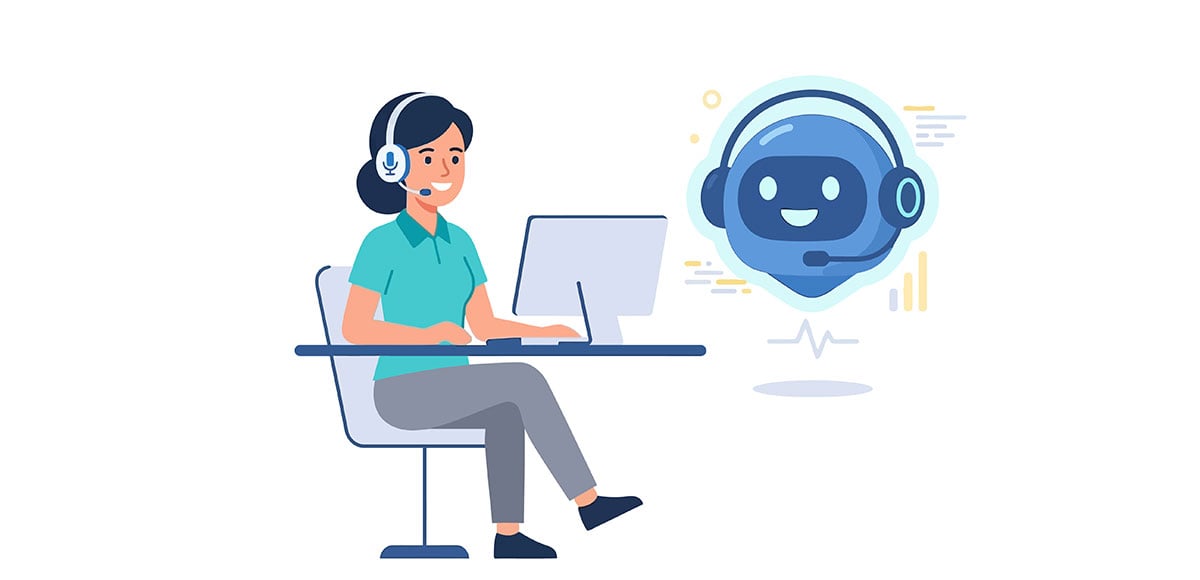
The rise of artificial intelligence in the startup ecosystem has been nothing short of a gold rush. Founders are using it for everything from writing code and marketing copy to stress-testing entire product strategies. What used to take weeks of iteration can now happen in hours.
It’s an approach that makes a lot of sense for a new, young brand that’s trying to compete with much larger, better-resourced competitors.
Why you’ll need to appeal to an AI agent
The rise of AI shopping is changing all of that. Right now, just 21% of UK shoppers are using AI tools to help with online shopping, but that rises to 70% for those wanting help in the future. That use is mainly focused on price: 31% use AI to make it easier to find the retailer with the best price, followed by 28% looking to find every promotion and discount.
It’s mainly research at the moment, but this is just the start. Fully Agentic commerce won’t just act as intelligent price comparison. The theory goes that it’ll anticipate buyer needs, provide personalised recommendations based on what it knows of the customer, and even make the purchase for them.
That has massive implications for all retailers who have spent years optimising the purchasing journey for humans, and now they’re scrambling to show up for AI.
How do you market to an AI?
From a startup perspective, it’d be understandable if you’re worrying about the impact of AI on your growth channels, and in particular how AI search and LLMs are going to impact how customers find and, ultimately, buy from brands. How do you market yourself not just to a customer, but to an AI agent working off responding to prompts? You’ll still need to consider the human at the end of it, but how do you build loyalty and retention when they might not even come into contact with your site? Particularly when you don’t have the resources of some of the major players.
But perhaps that’s the wrong way to look at it. The established brands are having to retrofit systems set up to serve that optimised customer journey; they need their resources to do that. Startups don’t need to retrofit, at least not to the same extent, because their systems aren’t as complex. Rather than having to pivot to Agentic commerce, they can be built from the beginning to be agent-legible: set up to be read by AI models.
The similarities between affiliates and agents
This is a major shift, but there is one channel where appealing to an intermediary as much as to the end-buyer is standard: affiliate marketing. Any e-commerce brand will know that in order to attract the right affiliates, you need to build a programme that gives affiliates the means to promote the right products for their audience, with commissions that are commensurate with the amount of work the affiliate will need to put in. It might seem obvious, but it’s surprising how many companies give affiliate marketing and partnerships short shrift or pay it lip service. Those who have taken it seriously are a step ahead when it comes to AI.

That’s because affiliate marketing demands a very similar level of flexibility to dealing with AI: the technical aspects differ and there’s no commission involved, but how products are presented, how the site is optimised and adjusts to the way AI models cite brands, the willingness to respond to changes, and opportunities will be familiar to anyone that has ran an affiliate network.
Built for agentic flexibility
E-commerce startups are going to need that flexibility, because it’s really clear that AI is constantly changing, and Agentic commerce is no different. What works today might not achieve the same results tomorrow, but that’s where startups and leaner companies have an advantage over established competitors. A major supermarket or chain store needs to go through layers of approvals and complex processes to get any changes made, but a startup can see the opportunity, make the adjustment, and it’s done.
No one really knows what’s going to happen with AI in general, but it’s unlikely to go away, which means it’ll end up being embedded into how we live and work, and that covers how we shop as well. Consumers are already using AI for research, and it’s only a short step from there to having agents make purchases as well. Now’s the time to be agent-legible, and startups, with their lack of legacy systems, processes, and greater levels of flexibility, are well placed to capitalise on this opportunity.
This article originally appeared in the July/August 2025 issue of Startups Magazine. Click here to subscribe
