

As AI-driven attacks rise, domains are the cornerstone of customer trust

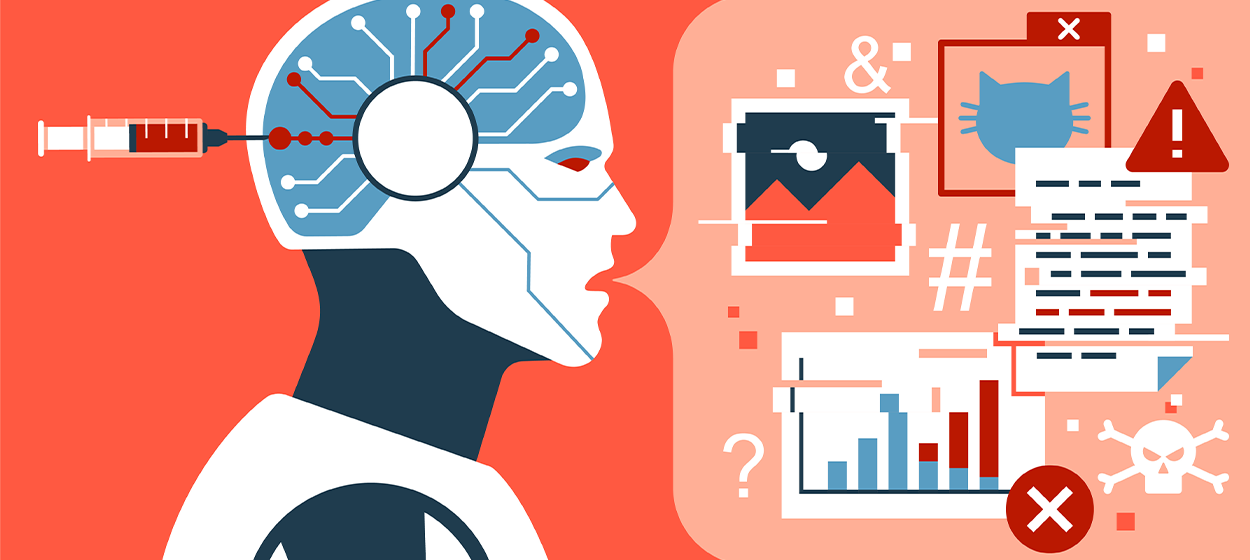
IBM’s 2026 Cost of a Data Breach Report found that AI-driven attacks rose 56% worldwide in the past year. Generative AI has changed the economics of online scams. Phishing emails used to be easy to spot, with clumsy grammar and awkward phrasing giving them away. Today, AI writes flawless text in seconds, so a polished message tells you nothing about who sent it. According to the UK Government’s Cyber Security Breaches Survey, 38% of UK businesses reported a phishing attack in the past year, making it the most common attack they face.
The web address behind a link is a more reliable guide. I call the habit of checking it the three-second domain check. Before you click any link, especially one that asks for a password or a payment, pause and read the registered domain name in the address. Scammers can place brand logos and familiar names anywhere in a message, even at the start of a web address. The registered domain shows where the link really goes.
The three-second pause rests with you. The domain industry supports it by building tools that catch misspelled and lookalike domains before most people ever see them. Your pause and the industry’s tools work best together.
Customers rely on the same signal when they deal with a startup, often before they know anything else about it. Your registered domain gives them a dependable way to recognise your business, and every step you take to protect it helps them trust the emails and links that carry your name. Securing it ranks among the first business decisions a founder should make.
Start with your registrar account, where you manage the domain. Turn on two-factor authentication and ask your registrar to lock the domain against unauthorised transfers. Among UK businesses with one to nine employees, use of two-factor authentication rose from 35% to 43% in a single year, according to the same survey. Set the domain to renew automatically, and ensure that the domain renewal notices go to a different email address on another domain, so you get the notice should something go wrong with renewing your domain.
Ask your email provider to switch on the authentication settings that stop others from sending emails masquerading as your domain. Register common misspellings of your domain to keep them out of scammers’ hands. Tell customers which is your primary business domain address you use so they can quickly confirm that a message is genuine. Teach your team the three-second domain check and give them an easy way to report a suspicious link.

Finally, write a short plan for handling an incident. Among the quarter of surveyed businesses with a formal incident response plan, 21% of small businesses have a written plan for a catastrophic incident. Be prepared.
These steps only take a few minutes. Together, they give your startup a strong foundation for customer trust.
For more startup news, check out the other articles on the website, and subscribe to the magazine for free. Listen to The Cereal Entrepreneur podcast for more interviews with entrepreneurs and big-hitters in the startup ecosystem.
