

Why startup teams are replacing their tool stacks in 2026

Ask any founder what slows their team down and the answer is rarely a shortage of ideas. Most of the time, it is the tools. Or more precisely, too many of them. A project tracker for tasks, a separate app for documents, another for goals, one more for automation. By the time a ten-person team is fully set up, they are spending part of everyday just managing the software they use to do their work.
This is the trap most startup teams fall into. In 2026, a growing number of them are getting out.
The hidden cost of using too many tools
The problem is not that any single tool is bad. Most do what they promise. The issue is what happens in the gaps between them. A task gets created in one app. The brief explaining it lives in a different one. The goal connected to that task sits in a quarterly document nobody looks at between reviews.
When a new person joins the team, getting started means requesting access to five different platforms before reading a single brief. When priorities change mid-project, someone must update everything across multiple systems. That job usually falls to whoever is least busy. Which is rarely anyone.
Research shows that knowledge workers spend nearly a fifth of their week just looking for information or tracking down colleagues who have it. For a small startup team, that is a lot of time to lose.
The arrival of ai tools for project management has made this problem harder to ignore. AI assistants can only work with what they can see. When a team’s tasks, documents, and goals are split across four different platforms, the AI has no clear picture to work from. It can help write a task title or tidy up a document, but it cannot tell you what is late, what is blocked, or where the team should focus right now.
For startups counting on AI to speed up their work, this matters a lot. The teams that get the most out of AI are the ones where all the relevant information is already in one place.
One workspace instead of three
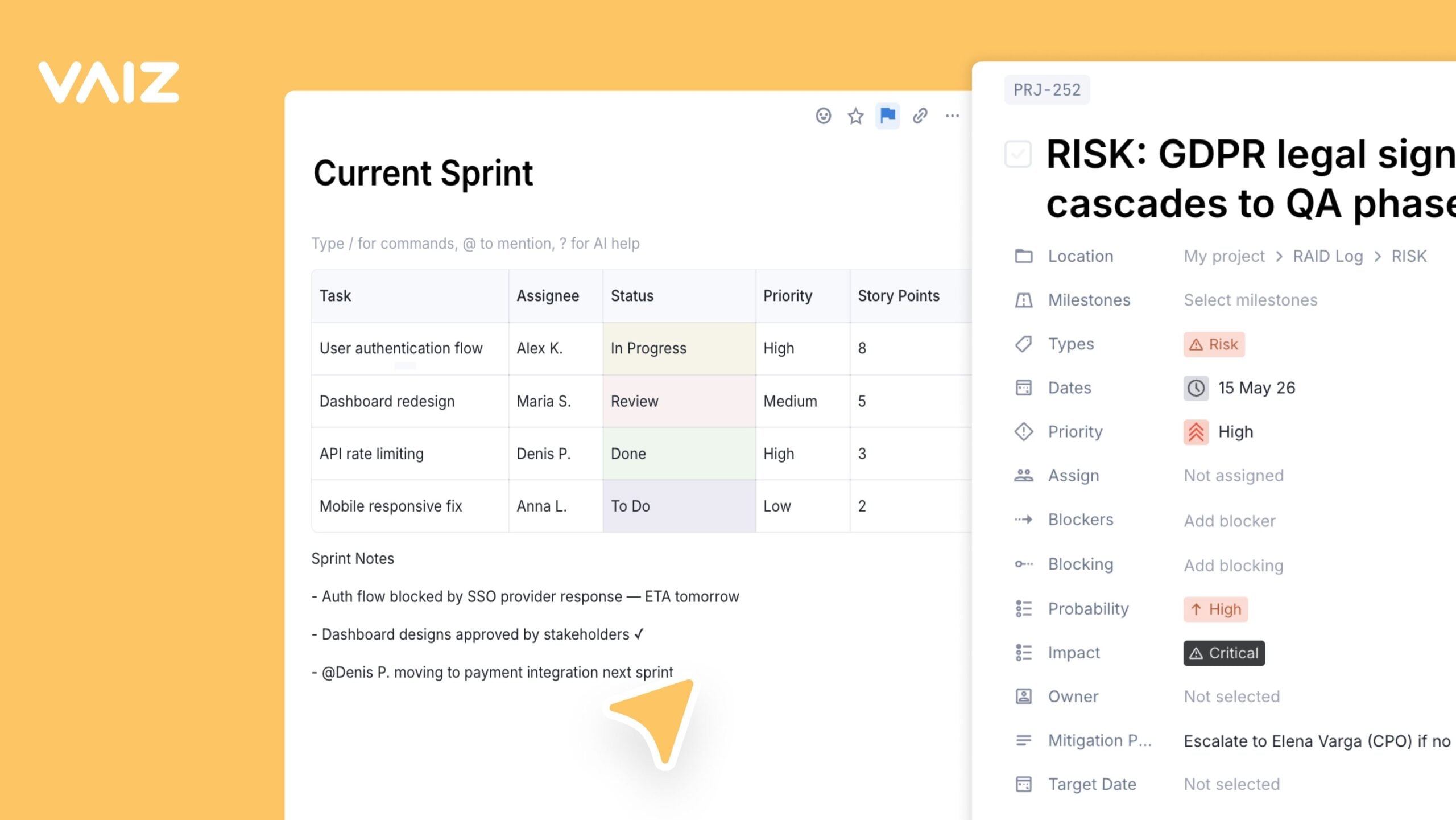
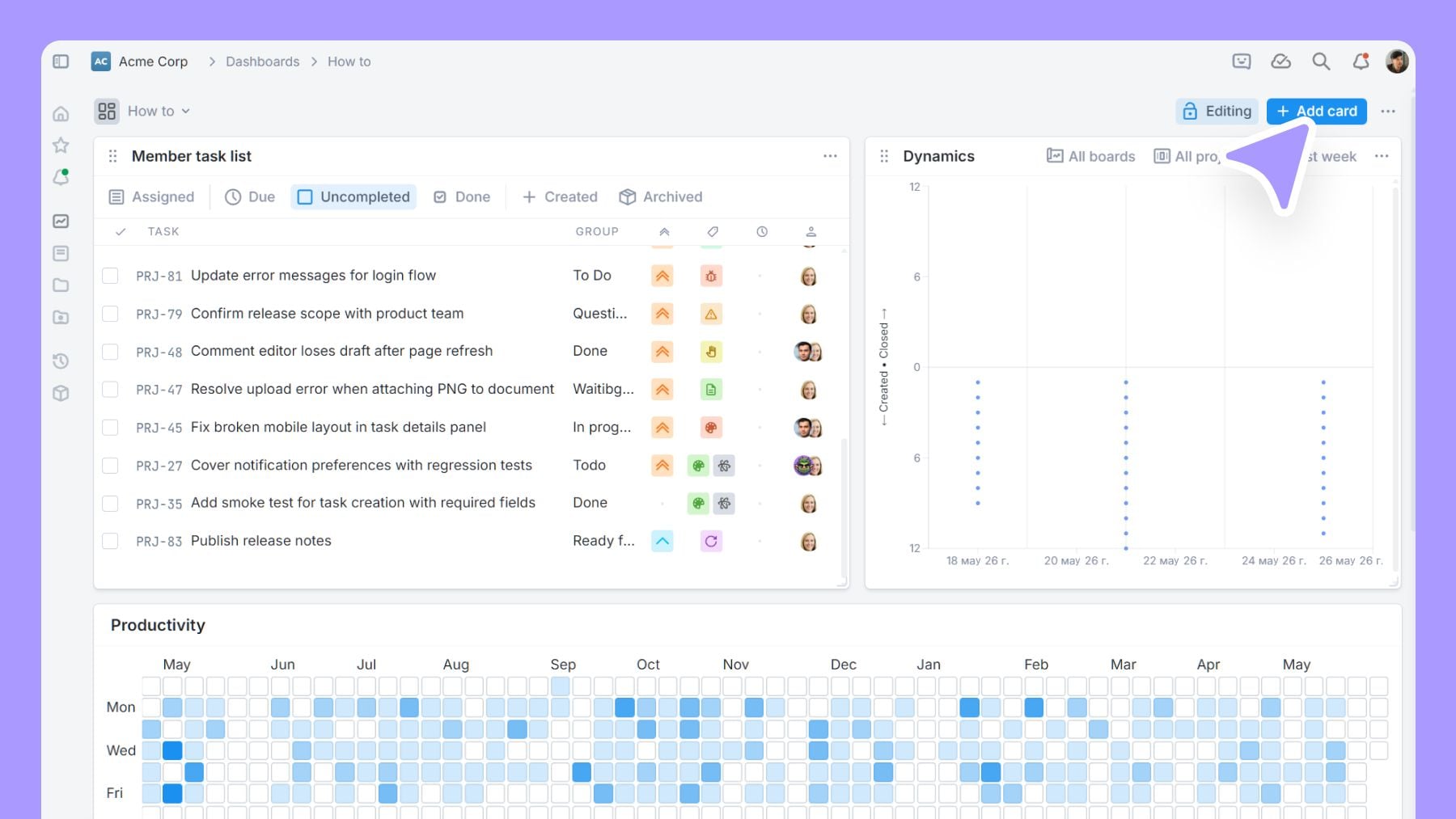
A new group of platforms is being built around this idea. Instead of asking teams to connect separate tools, they bring tasks, documents, goals, and automation together in one place. Vaiz is a good example. It is a team productivity software built for startups and growing teams that need to move fast without the overhead of managing multiple subscriptions. Tasks sit next to the specs and notes that explain them. Sprints, goals, and roadmaps are all in the same workspace. The built-in AI assistant can see everything happening across the project, so when someone asks what needs attention today, the answer is based on what is going on in the workspace right now.
Vaiz connects to the tools startup teams already use. Slack is a native integration, so messages can become tasks and the team gets notified when anything changes in the project. GitHub and GitLab link pull requests and commits directly to the tasks they relate to, so product managers can see what developers are working on without chasing anyone for updates. For design and visual work, Figma and Miro embed live inside Vaiz documents. Through Zapier, Vaiz connects to over 2,000 other apps including Gmail, Google Sheets, Salesforce, HubSpot, and Zoom, with no developer needed to set any of it up.
For teams already using AI tools, Vaiz supports MCP, a protocol that lets tools like Claude Desktop and Cursor read from the same project data the team uses. The AI gets full context without anyone copying tasks into a chat window.
Making the switch
For teams on Jira, Asana, ClickUp, or Monday, switching is more straightforward than most expect. Vaiz includes a built-in importer that handles one-click imports from all major platforms. Teams switching from Jira, which is often seen as the most complex option for smaller teams, usually find the setup takes a day or two. For anyone weighing up the options, the jira alternative comparison page at Vaiz shows how the platforms stack up on tasks, documents, automation, and AI.
The trend is clear across startup teams in the UK and Europe. Teams that spent years juggling different apps are moving into one workspace and getting back the time they were losing. The tools that worked well at five people often start slowing things down at fifteen. The teams that spot this early tend to find the move easier, and the benefits show up faster.
